 Astrand Electronic
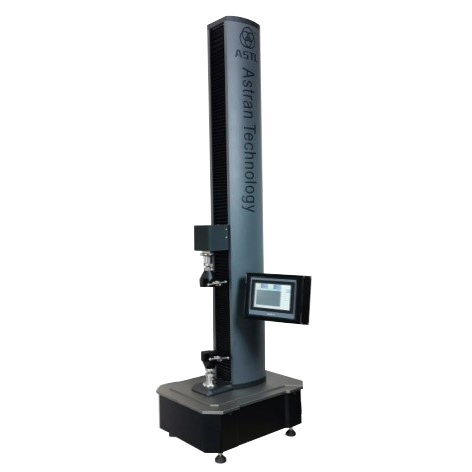
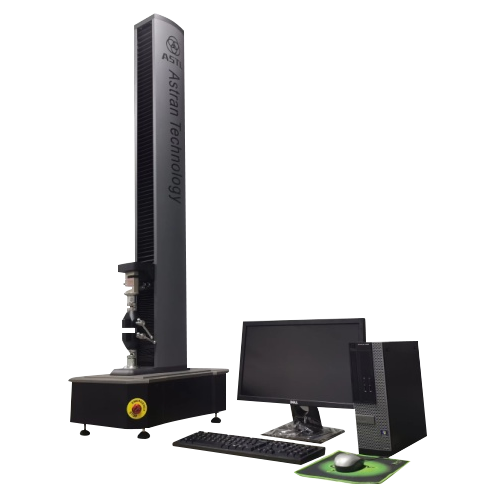
Electronic Fiber Tensile Strength Test Machine (Single Column ) ASTRAND
View more




中文
English


24-Hour Hotline
+86 130 6682 0203 Sarah

E-mail Us
sarah@astrand-martindale.com

Categories
New Products


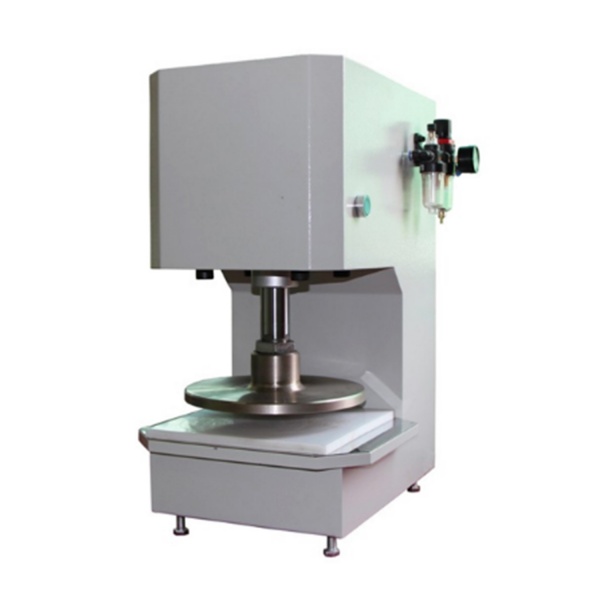
The importance and application analysis of fabric water pressure testing
Time: 2024-10-17 16:20:51
Author: Sarah
Click:
The value of hydrostatic pressure testing in the evaluation of fabric waterproofing
The hydrostatic pressure test of fabrics is a key evaluation method used to determine the waterproof performance and durability of textiles. The following are several aspects of the importance of hydrostatic pressure testing:
1. Evaluate waterproof performance
hydrostatic pressure testing can quantify the ability of fabrics to resist water infiltration, usually expressed in millimeters of water column height. Through this test, manufacturers can determine whether the product can effectively prevent moisture from entering under specific climatic conditions, thereby ensuring dryness and comfort for users.2. Ensure product durability
Outdoor and industrial fabrics typically face harsh weather conditions. Hydrostatic pressure testing helps manufacturers evaluate the performance of materials in long-term water immersion or humid environments to ensure the durability of fabrics. This not only reduces the risk of product failure due to insufficient waterproof performance, but also increases consumer satisfaction and trust.
3. Enhance security
In certain applications such as raincoats, outdoor gear, and professional workwear, hydrostatic pressure testing is crucial to ensure user safety. Failure to meet the required waterproof standards may result in discomfort or even health risks for users in heavy rain or humid conditions (such as hypothermia). Through hydrostatic pressure testing, manufacturers can ensure that their products protect users under various conditions.
4. Compliance and Standardization
Many industries have specific standards and regulatory requirements for waterproofing performance. Hydrostatic pressure testing is an important step in ensuring that products meet these requirements. This not only helps manufacturers meet legal requirements, but also maintains brand reputation and market competitiveness.
5. Support product development and improvement
The hydrostatic pressure test provides important data support for the development and improvement of fabrics. By testing different materials and designs, manufacturers can identify factors that affect waterproof performance, optimize product design, and enhance market competitiveness.
6. Meet market demand
With the increasing demand from consumers for high-performance outdoor equipment and waterproof products, hydrostatic pressure testing has become the foundation for manufacturers to establish themselves in the market. Products that can provide high waterproof performance not only attract more customers, but also enhance brand image.
7. Enhance consumer trust
Fabrics that have undergone hydrostatic testing can provide consumers with reliable performance commitments. Consumers tend to trust brands that have undergone rigorous testing and obtained certification when choosing waterproof products. This trust relationship helps to enhance brand loyalty and customer satisfaction.
Conclusion
In summary, hydrostatic pressure testing plays a crucial role in ensuring the waterproofing, durability, and user safety of fabrics. It not only provides manufacturers with necessary evaluation tools to help them meet industry standards and market demands, but also enhances consumer trust and satisfaction. Therefore, conducting hydrostatic pressure testing is an indispensable part of the textile production process.
Standard and definition of hydrostatic pressure rating
A good hydrostatic pressure rating is an important indicator for evaluating the waterproof performance of fabrics, which reflects the material's ability to resist water infiltration. In hydrostatic pressure testing, the water pressure that the fabric is subjected to is measured in millimeters (mm) of water column height. The following is a detailed introduction to the hydrostatic pressure testing rating and its importance for fabric performance and application.
Definition of Hydrostatic Pressure Class
The hydrostatic pressure level is usually divided into several categories based on its ability to resist water infiltration. The classification of this level not only reflects the waterproof performance of the fabric, but also affects its application under different environmental conditions. The definitions of different levels are as follows:
- 1. Primary waterproofing (0-1500mm)
Definition: This grade of fabric is capable of withstanding water pressure up to 1500 millimeters and is typically suitable for mildly humid environments.
Application: Suitable for short-term outdoor activities, such as lightweight windbreakers, umbrellas, and lightweight jackets for spring and autumn seasons. Although they can provide some protection in light rain, they may lose their waterproofness in heavy rain or continuous precipitation.
- 2. Mild waterproof (1500-5000mm)
Definition: This type of fabric can maintain its waterproof performance even when the water pressure reaches 1500 to 5000 millimeters.
Application: Suitable for moderate intensity rainfall, such as clothing for hiking, camping, or daily commuting. These materials are able to resist prolonged moisture and provide comfort in most climatic conditions.
- 3. High waterproof performance (5000-10000mm)
Definition: This fabric can remain impermeable under water pressure of 5000 to 10000 millimeters.
Application: Mainly used in environments with heavy rainfall and snow, commonly found in high-performance raincoats, ski jackets, outdoor tents, and other equipment. This type of material can effectively block the moisture caused by harsh weather, ensuring the comfort and safety of outdoor activities.
- 4. Extremely waterproof (10000-20000mm)
Definition: This grade of fabric still has good waterproof performance when the water pressure reaches 10000 to 20000 millimeters.
Application: Designed specifically for extreme weather conditions, commonly used for mountaineering, professional outdoor sports, and military purposes. These materials can provide continuous protection in heavy rain and high-pressure water environments, ensuring the safety of users under extreme conditions.
- 5. Heavy waterproofing (20000 millimeters and above)
Definition: This grade of fabric can maintain waterproof performance when the water pressure reaches 20000 millimeters or higher.
Application: Suitable for high-altitude exploration, ocean navigation, and expert rescue environments, ensuring that personnel remain dry and comfortable under extreme conditions. This type of material is typically validated through rigorous testing and applications, and can effectively resist extreme water pressure and moisture.
Deep comparison between static head testing and pressure testing: key differences in performance evaluation
Static head testing and pressure testing are important methods for evaluating material properties, especially in the application of textiles and industrial materials. Although they all involve evaluating the performance of materials under pressure conditions, their goals, processes, and application areas are different. The following is a detailed comparison of these two tests, highlighting their professionalism and guidance.
1. Definition
- Static head test: Static head test is a method specifically used to measure the waterproof performance of fabrics. Test the material's ability to resist water infiltration by gradually applying water column pressure. This type of testing is crucial for waterproof products such as outdoor and functional clothing, tents, rain gear, etc.
- Stress testing: Stress testing is a broader method of evaluating the integrity and strength of materials, components, or systems under specific pressure conditions. It is suitable for various industries, including petroleum, chemical, construction, etc., to ensure the reliability of pipelines, pressure vessels, and various structures under high pressure.
2. Purpose
- Assist manufacturers in complying with industry standards and regulations, and enhance the market competitiveness of their products.
- Stress testing:
Ensure that the structure and components can operate safely under normal or extreme pressure conditions.
Evaluate the compressive strength of materials to prevent leakage, deformation, or other failure modes.
Ensure that products comply with regulatory requirements, maintain brand reputation and user trust.
3. Testing process
- Static head test:
- 1. Sample preparation: Cut the fabric sample to standard size (usually 100mm x 100mm) and adjust it for at least 24 hours under known temperature and humidity conditions.
- 2. Equipment setup: Use a specialized hydrostatic pressure testing instrument to clamp the sample in the testing device, ensuring edge sealing to prevent leakage.
- 3. Apply water column pressure: Gradually increase the height of the water column, record the height at which water begins to permeate, and express the hydrostatic pressure level in millimeters of water column (mmH ₂ O).
- 4. Result recording: Analyze the test data and compare the results with industry standards to evaluate the waterproof performance of the material.
- Stress testing:
- 1. Equipment preparation: Select appropriate pressure testing equipment to ensure that it can withstand the high pressure required for testing.
- 2. Filling medium: Fill the components to be tested (such as pipes or containers) with water or gas to ensure that there is no air present.
- 3. Apply pressure: Gradually increase the pressure to the predetermined testing level and maintain it for a period of time to observe the performance of the material.
- 4. Monitoring and recording: Monitor phenomena such as leakage and deformation, and record the results to evaluate the safety and reliability of the components.
4. Application Fields
- Static head test:
Mainly used in the textile industry, especially for manufacturers of outdoor clothing, mountaineering equipment, waterproof materials, and protective clothing.
In the market, consumers are increasingly concerned about waterproof performance, and static pressure head testing has become an important basis for product certification. - Stress testing:
Widely used in fields such as petrochemicals, construction engineering, and machinery manufacturing to ensure the structural integrity of equipment such as pipelines and pressure vessels.
In these industries, any equipment failure can lead to serious consequences, so the importance of stress testing cannot be ignored.
5. Significance of Test Results
- Static head test:
The results indicate the waterproof performance of the fabric under specific conditions, helping manufacturers determine whether the material meets the expected use.
A high hydrostatic pressure rating means better waterproofing ability, allowing consumers to receive better protection in harsh weather conditions. - Stress testing:
The results show the performance of the equipment under design pressure, ensuring safe operation and preventing potential leaks and accidents.
The test results also provide manufacturers with a basis for improving design and material selection, thereby enhancing product quality and reliability.
Summary
Static head testing and pressure testing play important roles in material performance evaluation, although their applications and objectives differ. Understanding the difference between these two can help engineers and manufacturers choose appropriate testing methods to ensure the safety and reliability of products during use. With the advancement of technology and the increasing demand for product quality from consumers, the application of these two testing methods will become more widespread, playing a key role in ensuring people's daily lives and industrial safety.
Comparative Analysis of Hydrostatic Test and Hydrostatic Test: Definition, Method, and Application Scenarios
Hydrostatic and hydrostatic tests play an important role in evaluating the safety and reliability of materials and structures. Although both are related to water and pressure, their application fields, testing methods, and purposes are different. The following is a detailed comparison of these two tests, aimed at providing a more professional and guiding perspective.
1. Purpose
- Hydrostatic pressure test
The main purpose is to evaluate the waterproofness of materials, especially textiles. By applying hydrostatic pressure, test the permeability of materials under specific conditions to determine their reliability in humid environments. For manufacturers of raincoats, tents, outdoor equipment, and other products, understanding the waterproof performance of their materials is crucial. Effective hydrostatic pressure testing can not only ensure the effectiveness of product use, but also enhance user confidence, reduce complaints and returns caused by product failures. - Hydrostatic test
Intended to evaluate the integrity and safety of industrial components such as pipelines, pressure vessels, and storage tanks under working pressure. By applying water at pressures higher than normal working pressure, structural defects and potential leaks in the system can be detected. For industries such as oil, gas, and chemical processing, ensuring the reliability of equipment under extreme conditions is crucial, as any failure could lead to significant safety hazards and economic losses.
2. Test object
- Hydrostatic pressure test
Mainly targeting textile materials and their waterproofing properties. Testing typically involves different types of fabrics, including polyester, nylon, canvas, etc., to determine their ability to resist water penetration. - Hydrostatic test
It involves a wide range of industrial components, including pipelines, valves, storage tanks, heat exchangers, etc. Testing ensures the safety of these devices in high-pressure environments, avoiding failures caused by material fatigue or manufacturing defects.
3. Testing methods
- Hydrostatic pressure test
- 1. Equipment preparation: Use specialized hydrostatic pressure testing instruments to clamp the sample tightly to prevent edge leakage.
- 2. Apply pressure: Apply a column of water to the sample and gradually increase the pressure, usually measured in millimeters of water column.
- 3. Record the results: When water begins to penetrate the material, record the height of the water column at this time, which is the hydrostatic pressure level. In general, the higher the height of the water column, the better the waterproof performance.
- Hydrostatic test
- 1. Fill water: Fill the container or pipeline to be tested with water to ensure that there is no residual air.
- 2. Apply pressure: Apply pressure in water, usually higher than the normal working pressure of the equipment, and maintain it for a certain period of time.
- 3. Leak detection: Observe whether the testing equipment has leaks, deformations, or other structural damages, record data to evaluate its integrity.
4. Applicable standards
- Hydrostatic pressure test
Follow the standards published by organizations such as the International Organization for Standardization (ISO) and the American Association of Textile Chemistry and Colors (AATCC). For example, the ISO 811 standard specifies the implementation process, equipment requirements, and result recording methods for hydrostatic pressure testing. - Hydrostatic test
According to standards such as the American Society for Testing and Materials (ASTM) and the American Petroleum Institute (API). These standards cover the procedures, equipment, and safety specifications for hydrostatic testing, ensuring the effectiveness and reliability of the testing.
5. Application Fields
- Hydrostatic pressure test
Widely used for quality control of outdoor equipment, sportswear, professional workwear, tents and other products. Manufacturers use this testing method to ensure the effectiveness of their products in various climatic conditions to meet consumer needs. - Hydrostatic test
Mainly used in the construction industry, petrochemical industry, chemical processing, water treatment and other fields. These industries have extremely high safety requirements for equipment, and hydrostatic testing ensures the integrity of equipment in high-pressure environments, preventing potential accidents.
6. Conclusion
Although both hydrostatic and hydraulic tests involve water and pressure, there are significant differences in their purposes, test objects, and application areas. The hydrostatic pressure test mainly focuses on the waterproof performance of textiles, while the hydrostatic pressure test aims to ensure the safety of various industrial equipment under extreme conditions. Understanding these differences is not only crucial for engineers and manufacturers, but also provides a reference for consumers when choosing products. Ensuring the reliability and safety of materials and equipment is a fundamental requirement in every industry. Through effective testing methods, we can guarantee the performance and safety of products during use.
The important advantages and application guidance of fabric waterproof testing
Fabric waterproofing testing is an important quality assessment procedure widely used in the development process of textiles, outdoor equipment, and functional clothing. Through this test, manufacturers can verify the waterproof performance of fabrics under different environmental conditions, thereby enhancing the market competitiveness of their products. The following are the various advantages of fabric waterproofing testing, with a deep analysis of its importance in product quality, consumer experience, and market performance.
1. Performance verification: Ensure that the product meets expectations
Fabric waterproof testing provides objective performance indicators, allowing manufacturers to confirm the actual waterproof ability of products under specific conditions. hydrostatic pressure testing and moisture permeability testing can quantify the ability of fabrics to resist moisture penetration. Ensuring that products achieve expected performance is not only crucial for outdoor equipment, but also for functional clothing worn on a daily basis. This verification process helps establish consumer trust in the product, thereby enhancing the brand image.
2. Durability guarantee: Enhance product lifecycle
The durability of waterproof performance is a key factor in evaluating fabric quality. Through standardized waterproof testing, manufacturers can predict the performance of fabrics in long-term use and identify potential degradation factors. This is particularly important for industries with high durability requirements, such as professional outdoor sports, building fabrics, etc. Long term waterproof performance means that consumers can obtain higher cost-effectiveness when purchasing, promoting the repeat purchase rate of the product.
3. Consumer comfort and safety: related to user experience
The waterproof performance of fabrics directly affects the user experience. Wearing clothing that does not have good waterproof performance, especially in rainy or humid environments, may cause body overheating or discomfort. Through waterproof testing, manufacturers can ensure that their products can keep wearers dry and comfortable in harsh weather conditions. This not only enhances consumer satisfaction with usage, but also reduces health risks to a certain extent, especially for participants in outdoor activities.
4. Brand trust and market competitiveness: establishing differentiated advantages
Waterproof products that have undergone rigorous testing are more likely to win the trust of consumers, especially in a fiercely competitive market environment. Manufacturers can convey the reliability and performance advantages of their products to consumers by incorporating the results of waterproof testing into product labels and promotional materials. This marketing strategy can not only enhance brand image, but also attract more attention, thereby increasing market share.
5. Compliance with regulations and industry standards: ensuring market acceptance
Waterproof testing helps manufacturers ensure that their products comply with industry standards and regulatory requirements. Many industries have strict regulations on the waterproofing of materials, and failure to meet these standards may result in legal liability or market access issues. By following international standards such as ISO, ASTM, etc. for testing, manufacturers can not only ensure product compliance, but also gain higher acceptance in the market, laying the foundation for expanding into international markets.
6. Product development and innovation: driving technological progress
Waterproof testing provides a scientific basis for the development of textiles, enabling manufacturers to identify the advantages and disadvantages of different materials, optimize designs, and select new materials. This feedback mechanism can stimulate innovation, drive the development of new products, and meet the constantly changing market demands. For example, with the increasing awareness of environmental protection, more and more manufacturers are exploring the waterproof performance of renewable materials, providing new solutions for sustainable development.
7. Reduce product return rate: improve economic benefits
By conducting effective waterproof testing during the production phase, manufacturers can reduce returns caused by product quality issues. The increase in consumer trust in product performance not only enhances customer satisfaction, but also reduces return rates, thereby reducing the economic burden on manufacturers. This positive market feedback not only contributes to a virtuous cycle for the brand, but also creates conditions for future business expansion.
Conclusion
In summary, fabric waterproof testing plays an important role in ensuring product quality, enhancing consumer experience, and strengthening market competitiveness. It is not only a technical quality control measure, but also an important bridge connecting consumer trust and brand image. By conducting rigorous waterproof testing, manufacturers can not only ensure the performance of their products in different environments, but also gain advantages in fierce market competition and achieve sustained commercial success.
Core requirements and implementation guidelines for hydrostatic head testing
1. Testing equipment
- Hydrostatic pressure testing instrument: High quality and specially designed hydrostatic pressure testing instruments should be selected, which can accurately apply water column pressure and measure permeability pressure. Ensure that the instrument complies with relevant standards (such as ISO 811, ASTM D751) to improve the accuracy and reproducibility of test results.
Pressure sensor: The equipment should be equipped with high-precision pressure sensors that can monitor and record the water column pressure applied to the fabric in real time. This is crucial for accurately determining the critical point of water infiltration.
2. Sample preparation
- Sample size: The test sample usually needs to be made into a standard size of 100mm x 100mm, and the specific size should comply with industry standards to ensure the consistency of the test results.
- Clamping system: During testing, use fixtures to firmly fix the sample to prevent edge leakage. This ensures even application of pressure. In addition, the edges of the sample must be sealed to eliminate other interfering factors on the test results.
3. Water source and flow rate
- Stable water source: Ensure the stability and controllability of the water source during the testing process to obtain consistent and reproducible results.
- Water temperature control: The water temperature should be maintained within a specific range (usually room temperature) to avoid the impact of temperature changes on material properties.
4. Environmental conditions
- Temperature and humidity control: Before testing, the sample should be conditioned for at least 24 hours under known temperature and humidity conditions to ensure that the sample state is consistent with the test and to avoid interference from environmental factors on the results.
5. Testing process
Apply pressure: The hydrostatic pressure should gradually increase, usually measured in millimeters of water column (mmH2O). During this process, it is necessary to record the changes in pressure increase to determine the specific pressure point at which water infiltration occurs.
Observation and recording: Testers need to closely observe the sample, accurately record the starting point of water infiltration and other phenomena (such as bubble formation, surface changes, etc.), in order to analyze and evaluate the waterproof performance of the fabric in the future.
6. Standardization and Compliance
Adhere to standards: Ensure that the testing process complies with applicable international standards (such as ISO 811 or AATCC 127) to ensure that testing methods, equipment calibration, and result recording meet industry requirements.
• Document recording: Detailed recording of testing conditions, sample information, test results, and any observed phenomena. The document should include the pressure values and other relevant data at the beginning of water infiltration for future quality control and evaluation.
7. Security Protocol
• Safety measures: During hydrostatic pressure testing, all safety protocols must be followed to ensure the safety of operators and equipment. Operators should wear appropriate protective equipment (such as gloves and goggles) to prevent potential injuries caused by water pressure or equipment failure.
8. Design and requirements for clamping system
The design and implementation of the clamping system is one of the key factors in ensuring testing accuracy. The following are requirements and suggestions regarding the clamping system:
- 1. Secure clamping:
The fabric sample must be firmly clamped in the clamping area of the testing device to avoid leakage at the edge of the sample when water column pressure is applied. Edge leakage not only affects test results, but may also cause unnecessary trouble during the testing process. - 2. Uniform stress application:
The design of the fixture should ensure uniform pressure is applied to the sample to avoid uneven stress distribution during the testing process. This is very important because uneven stress may cause local water infiltration to occur prematurely, thereby affecting the accuracy of the overall test results. - 3. Material selection:
The material of the fixture should be selected to have good corrosion resistance and durability to adapt to different types of testing liquids (such as water or other chemical reagents). At the same time, the fixture should avoid scratching or damaging the surface of the sample. - 4. Adjustable nature of fixtures:
The clamping system should have good adjustability to adapt to samples of different thicknesses and structures. By reasonable adjustment, the sample can be effectively fixed while ensuring its integrity during the testing process. - 5. Sealing performance:
The clamping system should have good sealing to ensure that there is no accidental leakage caused by water flow during the testing process. This not only improves the accuracy of testing, but also reduces the complexity of post-processing after testing.
9. Standardization and Testing Importance of Sample Pattern Sizes
Standardized sample size is crucial for comparability and consistency in testing. Here is professional guidance on sample size:
- 1. Standardized dimensions:
Usually, the standard size of the test sample is about 100mm x 100mm. This size is widely used in multiple industries, ensuring comparability of results between different laboratories. - 2. Adjustments according to the testing protocol:
Although 100mm x 100mm is a commonly used standard size, the actual size may vary depending on the specific testing protocol. When developing testing plans, relevant industry standards or internal laboratory regulations should be followed to ensure consistency and accuracy of dimensions. - 3. Consistency of samples:
Before conducting testing, it is necessary to ensure that the manufacturing process of all samples is consistent to avoid affecting the test results due to uneven sample size or quality. The thickness, fabric type, and processing method of the sample should be consistent. - 4. Sample preparation process:
When cutting samples, precise cutting tools should be used to ensure that the edges of the sample are neat and avoid affecting the clamping effect due to irregular edges. In addition, the surface of the sample should be cleaned after cutting to remove any impurities that may affect the test results. - 5. Record sample information:
During the testing process, the size, material type, and other relevant information of each sample should be recorded in detail. These records not only facilitate subsequent data analysis, but also enable quality traceability when needed.
Overview of International Organization for Standardization Hydrostatic Head Testing Standards
The International Organization for Standardization (ISO) hydrostatic head test is a widely recognized method for evaluating the waterproof performance of fabrics. Especially in the ISO 811:2018 standard, the process, technical requirements, and implementation guidance for hydrostatic head testing are clearly defined, providing reliable testing basis for related industries.
1. Core content of the standard
Equipment requirements: The ISO 811 standard provides detailed specifications and performance requirements for the equipment required for hydrostatic head testing. The testing instrument should have high precision and reliability, ensuring accurate application of water column pressure and real-time monitoring throughout the entire testing process. This includes using qualified pressure sensors to ensure accurate recording of water pressure.
• Testing process: This standard provides detailed steps for sample preparation, clamping, application of water pressure, and observation of results. During the testing process, the stability of the fabric sample should be ensured to avoid inaccurate data caused by sample movement.
Definition of Hydrostatic Pressure: ISO 811 defines hydrostatic pressure as the height of the water column required to penetrate a fabric under specific testing conditions, which is a key indicator for evaluating the waterproof performance of the fabric.
2. Testing steps
- 1. Sample preparation: The fabric sample should be cut according to the specified standard size (such as 100mm x 100mm). Ensure that the edges of the sample are treated to prevent leakage during the testing process.
- 2. Clamping system: Use specialized fixtures to firmly fix the sample in the testing equipment, ensuring that the sample will not slide or deform when water pressure is applied, thereby ensuring the accuracy of the test.
- 3. Apply water pressure: Gradually increase the water pressure and record the specific pressure value at which water begins to penetrate the material. This process should be carefully monitored to ensure accurate capture of the critical point at which infiltration begins.
- 4. Result recording and reporting: According to the guidance of ISO 811, the test results should be recorded in detail, including the applied pressure values and the conditions at the beginning of water infiltration. It is recommended to use standardized charts to display test results for easy comparison and analysis of data.
3. Interpretation of Results
ISO 811 not only provides implementation methods for testing, but also includes guidance on how to interpret and report results. Through standardized result recording and graphical display, manufacturers, testing laboratories, and regulatory agencies can ensure the reliability and consistency of evaluations.
4. Conclusion
Following the testing process of ISO 811:2018 standard enables manufacturers, laboratories, and regulatory agencies to systematically and reliably evaluate the waterproofing of fabrics. This not only enhances the market competitiveness of the product, but also strengthens consumers' trust in product quality. Through this standardized test, the scientific evaluation of fabric waterproof performance provides a solid foundation for technological progress and product innovation in related industries, promoting the overall development and standardization of the industry.
Detailed Explanation of ASTM Hydrostatic Testing Standards
The ASTM (American Society for Testing and Materials) hydrostatic testing standard provides a scientific and systematic method for evaluating the water resistance of fabrics and materials. Among them, ASTM D751 standard focuses on the waterproof performance of fabrics and establishes a standardized testing framework suitable for various application scenarios.
1. Basic content of the standard
Test purpose: ASTM D751 aims to provide detailed procedures and guidance for hydrostatic pressure testing, ensuring the accuracy and reproducibility of test results.
Equipment requirements: This standard specifies the technical requirements for testing equipment to ensure that it can apply stable water column pressure and effectively measure osmotic pressure.
2. Sample preparation
Sample size: Test samples should usually be made into standardized sizes to ensure consistency. The edges of the sample should be properly treated to prevent leakage during testing.
• Clamping system: During the testing process, use fixtures to firmly fix the sample in the testing equipment, ensuring uniform pressure is applied and avoiding testing errors caused by sample movement.
3. Testing steps
- 1. Apply pressure: Gradually apply water pressure to the sample and record each pressure value before water permeation occurs until the material begins to permeate. The pressure value at the beginning of infiltration is the hydrostatic head fraction.
- 2. Observation and recording: Testers need to closely observe the status of the sample, record the exact pressure at which water infiltration begins, and other related phenomena (such as bubble generation, surface changes, etc.) for subsequent analysis and evaluation.
4. Interpretation and Reporting of Results
ASTM D751 not only specifies the implementation process of testing, but also provides detailed guidance on how to interpret test results. It is recommended to use standardized report formats to display test results to ensure comparability and transparency of data. This will help all parties (including manufacturers, testing laboratories, and regulatory agencies) better understand and utilize test data.
5. Conclusion
By following the ASTM D751 standard, manufacturers and testing agencies can ensure a systematic and reliable evaluation of fabric waterproofing. This standardized testing method not only verifies whether the material meets the expected waterproof performance specifications, but also improves product quality and enhances market competitiveness. Following this standard will promote technological progress and product quality improvement within the industry, thereby better meeting the constantly changing market demands and consumer expectations.
Summary and Prospect
Hydrostatic pressure testing is crucial in evaluating the waterproof performance of fabrics, especially in outdoor and industrial applications. This test directly determines the protective ability and durability of textiles under harsh environmental conditions. By conducting hydrostatic pressure testing, manufacturers can ensure the reliability of their products, improve the comfort and safety of wearers, and ensure that their products comply with relevant industry standards and regulatory requirements.To ensure excellent water pressure resistance of fabrics, fabric manufacturers should strictly follow standardized testing procedures such as ISO 811 and ASTM D751. These standards provide consistent and reliable testing methods to help manufacturers continuously produce high-performance textiles, especially for products that need to withstand extreme weather or harsh environments.
In addition, hydrostatic pressure testing plays an important role in product quality control. It effectively evaluates the waterproof performance of materials under different conditions, ensuring that fabrics maintain their protective properties, durability, and performance stability in various applications. Therefore, whether used for outdoor sports equipment, building materials, or industrial protective fabrics, hydrostatic pressure testing is a core step in ensuring the quality and functionality of the final product. By adopting this test, manufacturers can enhance the market competitiveness of their products, meet consumer expectations, and ensure compliance with industry best practices.

点击右上角
分享给朋友吧







 Long by picture save/share
0
Prev : What is Crockmeter for textiles
Next : Comprehensive Analysis and Application of Textile Burst Strength Testing Standards
Your liking is my persistent energy source
YouArticle
已有0人推荐
CONTACT US
 No. 94, Chenwu Section, Guantai Road, Houjie
Town, Dongguan City
 E-mail: sarah@astrand-martindale.com
jack@astrand-martindale.com
 Tel: (+86) 186 8867 2626 Jack
 Tel: (+86) 130 668 20203 Sarah
HOT TAGS
LATEST NEWS
SUBSCRIBE
Please read on, stay posted, subscribe, and we welcome you to tell us what you think.
Copyright © 2022 Dongguan Astrand Electronic Technology Co., Ltd. All Rights Reserved | Log in
Copyright © 2022 Dongguan Astrand Electronic Technology Co., Ltd. All Rights Reserved