 Astrand Electronic
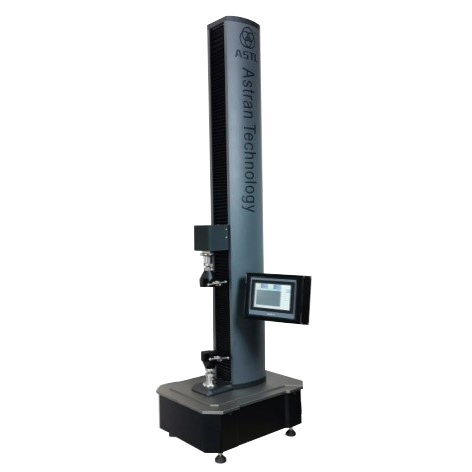
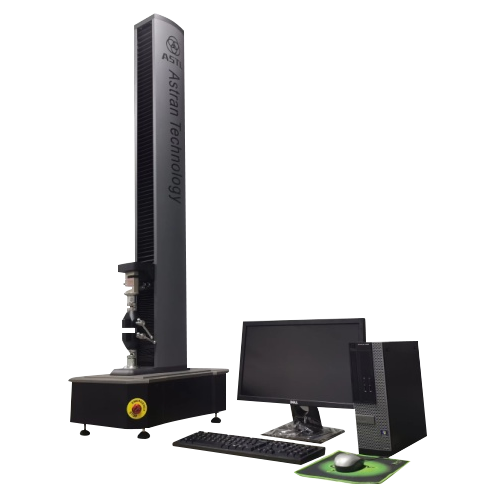
Electronic Fiber Tensile Strength Test Machine (Single Column ) ASTRAND
View more




中文
English


24-Hour Hotline
+86 130 6682 0203 Sarah

E-mail Us
sarah@astrand-martindale.com

Categories
New Products


Guidance on ISO 105 X12: Complete Professional Manual for Color Fastness to Rubbing Introduction
Time: 2025-11-18 14:54:30
Author: Sarah
From: Dongguan Astrand Electronic Technology Co., Ltd
Click:
Color fastness remains one of the most critical performance indicators in the textile industry. Regardless of whether a fabric is intended for apparel, upholstery, home textiles, automotive interiors, industrial fabrics, or technical textiles, its ability to retain color through frictional exposure directly influences customer satisfaction, regulatory compliance, and long-term product durability. Among the global standards used to evaluate surface color stability, ISO 105 X12: Color Fastness to Rubbing stands as one of the most widely adopted and internationally recognized benchmarks.
For laboratory technicians, textile engineers, dyeing and printing specialists, and quality assurance managers, a firm understanding of ISO 105 X12 is essential for accurate evaluation, troubleshooting, and process optimization. This guide provides a complete, expanded, and deeply technical reference to ISO 105 X12—covering purpose, methodology, equipment, specimen preparation, testing conditions, interpretation of results, troubleshooting, influencing factors, and practical improvements.
This long-form manual aims to serve as the most comprehensive guidance available online, written for both beginners and advanced textile professionals seeking in-depth clarity and practical applications.
1. Why Color Fastness Testing is Essential in Modern Textiles
Color fastness testing is a cornerstone of textile evaluation because color remains one of the most important sensory attributes influencing purchase decisions and brand reputation. When a garment or fabric bleeds, fades, or transfers color onto other surfaces, consumers perceive the product as low-quality—even if other performance characteristics are excellent.
Key Reasons Why Color Fastness Tests Are Critical
1.1 Ensuring Consumer Satisfaction
Customers expect their garments to maintain visual appeal after repeated wear and laundering. Poor rubbing fastness results in visible stains on skin, linings, furniture, and other garments.
1.2 Guaranteeing Textile Durability
Color loss or rapid fading significantly reduces the perceived lifespan of a textile product. Fabrics that maintain their original appearance contribute to long-term customer loyalty.
1.3 Supporting Global Quality Standards
Multiple international brands—including sportswear, denim, fast fashion, automotive manufacturers, luxury brands, and home textile supply chains—mandate strict color fastness requirements before approving any production batch.
1.4 Providing Insight Into Dye-Fiber Chemistry
Color fastness reflects:
- dye-fiber bonding strength,
- dye fixation percentage,
- dye migration tendencies,
- chemical affinity,
- finishing chemicals interference.
Understanding these factors is crucial for optimizing dyeing and finishing processes.
1.5 Preventing Claims, Returns, and Production Losses
Rubbing failure is one of the top five reasons for quality claims. Strong adherence to ISO 105 X12 minimizes:
- product rejections,
- shipment delays,
- brand penalties,
- customer complaints.
2. What Is Color Fastness to Rubbing?
Color Fastness to Rubbing—also known as crocking fastness—evaluates the extent to which color from a dyed or printed textile transfers to another surface when rubbed.
Why Rubbing Causes Color Transfer
When friction occurs between a fabric and an adjacent material:
- unfixed dyes,
- migrated pigment particles,
- surface deposits,
- loose fibers,
- or poorly anchored dye molecules
may detach and transfer onto another surface.
Two Categories of Rubbing Tests
ISO 105 X12 includes:
- Dry Rubbing Test: Evaluatesmechanical stability of the dye film or dye-fiber bonding.
- Wet Rubbing Test: Evaluates dyesolubility and the effect of moisture on color transfer. Wet rubbing istypically 1–2 grades lower than dry rubbing due to increased dye mobility.
Textile Structures with Higher Risk of Poor Rubbing Fastness
- High-hairiness yarns (OE rotors, low-twist ring yarn)
- Regenerated cellulose (viscose, modal, lyocell)
- Pigment-printed fabrics
- Denim and dark heavy cotton
- Suede and napped fabrics
- Coated or laminated surfaces
- Garment-dyed items
3. ISO Standards for Color Fastness to Rubbing
The ISO 105 series covers a wide range of color fastness evaluations.
For rubbing fastness, the relevant standard is:
ISO 105 X12 – Color Fastness to Rubbing
This test standard specifies:
- rubbing technique,
- pressure,
- rubbing path length,
- cycle count,
- environmental conditions,
- evaluation criteria,
- assessment tools.
Key Parameters Defined by ISO 105 X12
| Parameter | ISO Requirement |
| Downward force | 9 ± 0.1 N |
| Finger diameter | 16 ± 0.3 mm |
Track length | 104 ± 3 mm |
Cycles | 10 rubs (10 forward + 10 backward) |
| Rubbing cloth | ISO 105-F09 cotton, 50×50 mm |
| Wet pickup | 95–100% |
Conditioning | 21 ± 2 °C, 65 ± 5% RH |
These exact specifications ensure global repeatability and comparability.
4. Understanding ISO 105 X12 in Depth
ISO 105 X12 provides a standardized technique to evaluate:
- the resistance of color to transfer,
- the integrity of dye fixation,
- the durability of prints and coatings,
- consistency of dyeing batches,
- compliance with customer specifications.
Where ISO 105 X12 Is Used
This test is essential for:
- apparel and fashion brands,
- denim manufacturers,
- home textile suppliers,
- automotive and transport interiors,
- upholstery fabrics,
- industrial and protective textiles,
- dye houses and print mills,
- third-party quality inspection labs.
5. Purpose of the Color Fastness to Rubbing Test
The primary purposes of ISO 105 X12 include:
5.1 Preventing Color Transfer
Ensures fabrics do not stain skin, undergarments, furniture, seats, or other garments.
5.2 Assessing Product Durability
High rubbing fastness is associated with:
- better dye-fiber bonding,
- efficient fixation,
- long-lasting color stability.
5.3 Ensuring Proper Dye Fixation
Low rubbing fastness is often linked to:
- incomplete reaction of reactive dyes,
- poor pigment binder cross-linking,
- insufficient curing temperature,
- inadequate washing after dyeing.
5.4 Evaluating Finishing Effects
Softeners, silicone, and resins may reduce rubbing fastness. This test helps R&D teams optimize finishing recipes.
5.5 Production Troubleshooting
ISO 105 X12 is frequently used to diagnose:
- migration during drying or curing,
- unlevel dyeing,
- excess surface dye,
- mechanical abrasion during processing,
- improper pigment film formation.
Thus, it is both a quality control and process optimization tool.
6. Textile Testing Equipment and Tools Required
To meet ISO 105 X12 requirements, the following equipment and accessories are used:
6.1 Crock Meter (Rubbing Fastness Tester)
A calibrated rubbing tester such as the ASTRAND Crock Meter is required.
Important specifications include:
- Downward force: 9 ± 0.1 N
- Rubbing finger: 16 mm ± 0.3 mm
- Track length: 104 mm
- Stroke speed: 1 cycle per second
- To-and-fro motion: 10 forward + 10 backward rubs
Why Calibration Matters
Calibration ensures:
- accurate downward pressure
- correct stroke length
- consistent cycle speed
- reproducible results across laboratories
6.2 Rubbing Cloth (ISO 105-F09)
Characteristics:
- size: 50 ± 2 mm
- 100% cotton
- desized and bleached
- no finishing chemicals
- neutral color
- high absorbency
Rubbing cloth must be replaced after every test.
6.3 Grey Scale for Staining (ISO 105 A03)
Used to evaluate:
- degree of color transferred to the rubbing cloth,
- staining intensity under controlled illumination.
A lightbox with D65 daylight is mandatory.
6.4 Additional Tools
- Distilled water (for wet rubbing)
- Dropping pipette
- Filter paper / blotting paper
- Conditioning chamber (21 °C, 65% RH)
- Stainless steel grating or abrasive paper
- Precision weighing balance
7. Performing ISO 105 X12: Step-by-Step Guidance
7.1 Preparation of Test Specimens
Specimen Size
- 50 mm × 140 mm (minimum)
- Cut specimens representing both warp and weft directions.
- Avoid selvages.
Conditioning
Condition specimens and rubbing cloths for at least 4 hours in a standard atmosphere:
- 21 ± 2°C
- 65 ± 5% RH
Selecting Representative Samples
Technicians must ensure that:
- batch finishing is complete,
- chemical treatments (softener, resin, silicone) are included,
- test pieces represent actual production consistency.
7.2 ISO 105 X12 Testing Procedure
Dry Rubbing Procedure
- Place abrasive surface under the specimen.
- Fix the rubbing cloth tightly on the rubbing finger.
- Place rubbing finger on the fabric.
- Start the machine (10 cycles).
- Remove rubbing cloth, air dry it.
- Evaluate with grey scale under D65 light.
Tests must be conducted:
- in warp direction
- in weft direction
Wet Rubbing Procedure
- Weigh dry rubbing cloth.
- Wet with distilled water.
- Blot using filter paper until pickup is 95–100%.
- Fix cloth on rubbing finger.
- Place specimen on abrasive surface.
- Run the machine (10 cycles).
- Air dry rubbing cloth.
- Evaluate using grey scale.
Critical Notes
- Over-wetting reduces accuracy due to dripping.
- Under-wetting reduces dye solubility.
- Always perform more than one test for data consistency.
7.3 Interpreting Test Results
Grey Scale Rating
ISO rating scale:
- Grade 5 – No color transfer(excellent)
- Grade 4 – Slight color transfer(good)
- Grade 3 – Noticeable but moderatetransfer (acceptable for some products)
- Grade 2 – Significant transfer(fail)
- Grade 1 – Heavy transfer (severefail)
Results are typically reported separately for:
- Dry Rubbing
- Wet Rubbing
- Warp direction
- Weft direction
Pass/Fail Determination
Common brand requirements:
- General apparel: Dry ≥ 4, Wet ≥ 3
- Denim: Dry ≥ 3, Wet ≥ 2
- Home textiles: Dry ≥ 4, Wet ≥ 3–4
- Automotive: Dry ≥ 4–5, Wet ≥ 4**
Spectrophotometer for Precision
Delta E (color difference) readings add scientific accuracy and minimize subjective bias.
Ideally, we want no colour transfer at all. Unfortunately, it is not possible in real life. So, what should be considered acceptable? Below is the standard most companies use:

8. Factors Affecting Color Fastness to Rubbing
8.1 Fiber Type
- Polyester, nylon → generally higher fastness
- Cotton, viscose → lower due to swelling and dye migration
- Wool → surface scales influence rubbing behavior
8.2 Dye Class
- Reactive: high dry fastness, moderate wet fastness
- Direct dyes: medium fastness
- Pigment printing: heavily dependent on binder quality
- Vat / Sulfur dyes: excellent fastness but require properoxidation
8.3 Manufacturing Process
- Dye fixation
- Washing to remove hydrolyzed dye
- Curing temperature and time
- Pre-treatment quality
- Levelness of dyeing
8.4 Fabric Structure
- Loose construction increases friction
- Brushed and napped surfaces have poor fastness
- High GSM fabrics may retain more loose dye
8.5 Chemistry and Finishing
- Softeners may reduce rubbing resistance
- Resin finishing may affect pigment adhesion
- Anti-migrant agents reduce dye movement
9. Improving Rubbing Fastness: Practical Recommendations
9.1 Optimize Dye Fixation
- Increase fixation temperature/time
- Use high-fixation reactive dyes
- Apply proper pH control during dyeing
9.2 Improve Washing-Off
- More efficient soaping
- Use anionic surfactants to remove unfixed dye
- Use chelating agents to improve dye removal
9.3 Binder and Resin Optimization (Pigment Prints)
- Improve binder crosslinking
- Increase curing temperature
- Use higher-quality fixers
9.4 Avoid Overuse of Softener
Silicone or cationic softeners may reduce fastness.
9.5 Adjust Mechanical Finishing
- Less aggressive brushing reduces loose fiber exposure.
10. Influence of Dyeing Techniques on Rubbing Fastness
Rubbing fastness is significantly affected by the dyeing technique, because different dyeing processes determine how deeply dyes penetrate the fiber, how well they fix, and how much dye remains on the fabric surface. Poor penetration, surface deposits, uneven dyeing, or inadequate washing-off will all lead to low dry or wet rubbing fastness.
Key Points:
- Exhaust Dyeing
Generally provides good penetration, but improper fixation or insufficientsoaping can leave surface dye and reduce rubbing fastness. - Continuous Dyeing (Pad-Dry-Pad, Pad-Steam, Pad-Batch)
Highly productive but sensitive to uneven padding, dye migration duringdrying/steaming, and inefficient washing-off. - Reactive Dyeing
Good bonding to cellulose but prone to rubbing issues if hydrolyzed dyesare not fully removed. - Direct Dyeing
Weak fiber bonding leads to poor wet rubbing; requires fixing agents toimprove performance. - Vat Dyeing
Can achieve excellent rubbing fastness with proper oxidation and washingsteps. - Disperse Dyeing (Polyester)
Good rubbing resistance if reduction clearing is done properly to removeunfixed dye. - Pigment Dyeing/Printing
Most vulnerable to rubbing failures because pigments sit on the fabricsurface and depend on binder quality and curing conditions. - Denim (Indigo) Dyeing
Naturally prone to rubbing issues due to surface dyeing (ring-dye effect);requires top-fixing or coatings.
General Improvement Strategies:
- Optimize dye fixation and migration control
- Perform thorough washing-off and soaping
- Use appropriate fixatives
- Control temperature, pH, padding uniformity
- Select higher-performance dye classes or binders
11. Frequently Asked Questions (FAQs)
Q1: What is ISO 105 X12?
A global testing method evaluating the degree of color transfer from a textile to a rubbing cloth under controlled friction.
Q2: Why does color transfer occur?
Because unfixed, migrated, or loosely bound dyes move from the fabric surface to another material during friction.
Q3: How can rubbing fastness be improved?
Through:
- increased dye fixation,
- better washing-off,
- chemical fixers,
- optimizing curing,
- selecting dyes with higher affinity.
Q4: Difference between ISO 105 X12 and AATCC 8?
Factor | ISO 105 X12 | AATCC 8 |
| Rubbing direction | Straight (warp & weft) | Diagonal |
| Wet pickup | 95–100% | 65 ± 5% |
Cloth | ISO F09 | AATCC crocking cloth |
Pressure | 9N | 9N |
Conclusion
ISO 105 X12 remains one of the most critical quality control tests in the textile industry. When performed correctly, it provides valuable insights into dye behavior, processing efficiency, and final product performance. A thorough understanding of the test method—and the many variables that influence results—empowers textile professionals to achieve superior color fastness, reduce production issues, and meet global customer expectations.

点击右上角
分享给朋友吧







 Long by picture save/share
0
Prev : Textile Pilling: Key Factors and Standard Testing Methods Explained
Next : The Ultimate Guide to Fabric Pilling: Fabrics Most Prone and Prevention Tips
Your liking is the energy source that I persist in writing
YouArticle
已有0人推荐
CONTACT US
 No. 94, Chenwu Section, Guantai Road, Houjie
Town, Dongguan City
 E-mail: sarah@astrand-martindale.com
jack@astrand-martindale.com
 Tel: (+86) 186 8867 2626 Jack
 Tel: (+86) 130 668 20203 Sarah
HOT TAGS
LATEST NEWS
SUBSCRIBE
Please read on, stay posted, subscribe, and we welcome you to tell us what you think.
Copyright © 2022 Dongguan Astrand Electronic Technology Co., Ltd. All Rights Reserved | Log in
Copyright © 2022 Dongguan Astrand Electronic Technology Co., Ltd. All Rights Reserved