 Astrand Electronic
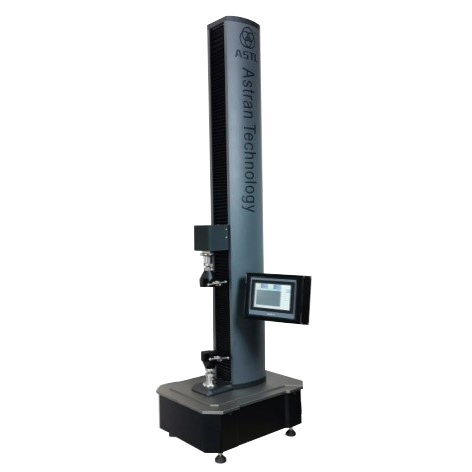
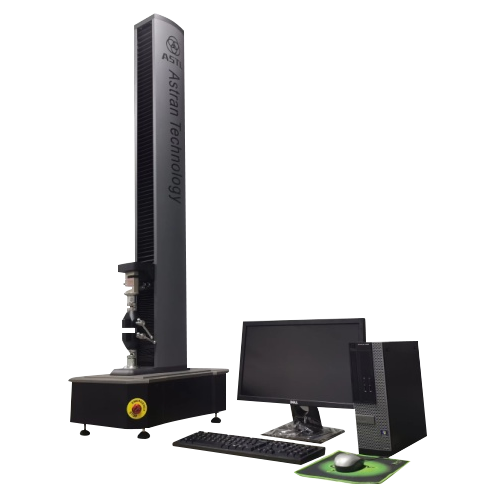
Electronic Fiber Tensile Strength Test Machine (Single Column ) ASTRAND
View more




中文
English


24-Hour Hotline
+86 130 6682 0203 Sarah

E-mail Us
sarah@astrand-martindale.com

Categories
New Products


The Ultimate Guide to Fabric Pilling: Fabrics Most Prone and Prevention Tips
Time: 2025-11-25 16:24:07
Author: Sarah
From: Dongguan Astrand Electronic Technology Co.,Ltd
Click:
Fabric pilling is one of the most prevalent quality concerns faced by consumers, apparel brands, and textile manufacturers. Pills—small tangled fiber balls that form on fabric surfaces—can significantly affect a product’s aesthetic appeal, hand feel, and perceived value. Whether on sweaters, activewear, upholstery, or everyday T-shirts, understanding why pilling occurs and which fabrics are most susceptible is crucial for informed decisions in fabric sourcing, garment engineering, production management, and quality control.
This comprehensive guide explores the science of pilling, identifies fabrics most at risk, highlights testing methodologies, and provides professional strategies to minimize pilling. It is designed for textile professionals, quality assurance engineers, product developers, sourcing specialists, and retailers aiming to enhance product durability and customer satisfaction.
1. What Is Fabric Pilling?
Fabric pilling refers to the formation of small balls of tangled fibers—pills—on the surface of textiles. Pills typically form as a result of:
- Friction during wearing and movement
- Laundering and drying
- Repeated rubbing against surfaces or other fabrics
Impact of Pilling:
- Appearance: Pills create a worn, aged look.
- Hand feel: Pilling reduces smoothness and softness.
- Consumer confidence: Visible pills can lead to dissatisfaction, returns, and lower brand loyalty.
- Product lifespan: Frequent pilling may accelerate fabric wear and tear.
Pilling is influenced by fiber type, yarn construction, fabric density, and finishing treatments. Effective prevention requires understanding these factors and how they interact.
2. The Science Behind Fabric Pilling
Pilling occurs in multiple stages, each determined by fiber characteristics, yarn structure, and fabric construction.
2.1 Fiber Loosening and Breakage
Mechanical friction causes fiber ends to loosen, protrude from the yarn structure, or break. Fibers with lower wet or dry strength, such as viscose or short-staple cotton, are particularly vulnerable during laundering or abrasion.
2.2 Fiber Entanglement
Once fibers are loose, they intertwine and form knots. Fibers with rough surfaces or natural scales, such as wool, entangle more readily.
2.3 Pill Growth
Continuous friction enlarges these knots into visible pills, which accumulate on the fabric surface.
2.4 Pill Detachment or Retention
The persistence of pills depends on fiber strength:
- Weak fibers (cotton, viscose): Pills often detach naturally over time.
- Strong fibers (polyester, nylon): Pills remain attached, leading to longer-lasting, more visible pilling.
Blended fabrics often exacerbate pilling because natural fibers break and synthetic fibers anchor the pills.
3. Key Factors Influencing Fabric Pilling
Pilling is governed by fiber, yarn, fabric, and finishing factors.
3.1 Fiber Type
| Fiber Type | Pilling Tendency | Reason |
Polyester | High | Strong fibers prevent pill detachment |
| Acrylic | High | Short staple fibers, low cohesion |
| Wool | Moderate–High | Short fibers, scale friction |
Cotton (short-staple) | Moderate | Easily breaks under abrasion |
Viscose/Rayon | High | Weak wet strength, prone to breakage |
Long-filament synthetics | Low | Minimal loose ends, smooth surface |
3.2 Fiber Length
Shorter fibers produce more loose ends, increasing pilling risk.
Fiber | Length | Pilling Behavior |
| Short-staple cotton | Short | High |
Long-staple cotton | Long | Low |
| Woolen wool | Short, mixed | High |
| Worsted wool | Long, combed | Low |
3.3 Yarn Structure
- Low-twist yarns: Loose fibers → higher pilling
- High-twist yarns: Tighter fiber cohesion → fewer pills
Specialty yarns:
- Air-jet spun yarns: Excellent anti-pilling properties
- Ring-spun yarns: Moderate resistance
- Open-end spun yarns: Highest surface hairiness → most pilling
3.4 Fabric Construction
| Fabric Type | Pilling Risk | Notes |
| Knits (jersey, rib, fleece) | High | Fibers more mobile |
Brushed fabrics | Very High | Loose fibers intentionally created |
Loose-weave wool | High | Yarns shift easily |
Tightly woven fabrics | Low | Stable structure |
Filament woven fabrics | Very Low | Smooth surface, minimal fuzzing |
3.5 Finishing Treatments
Anti-pilling finishes are critical for enhancing performance:
| Finish Type | Suitable Fibers | Effect |
Enzyme bio-polishing | Cotton, viscose | Removes protruding fibers |
| Singeing | Woven fabrics | Burns off surface fuzz |
| Heat-setting | Polyester, nylon | Stabilizes yarn, reduces movement |
| Resin/polymer coatings | Blends | Strengthens surface, reduces fuzz |
Proper finishing can improve pilling grades by 1–2 levels in standard tests.
4. Fabrics Most Prone to Pilling
4.1 Polyester & Polyester Blends
- Cause: Strong fibers retain pills; blended natural fibers break and form pills.
- High-risk products: Activewear, fleece, T-shirts, sports jerseys, poly-cotton knits.
4.2 Acrylic
- Cause: Short, low-density fibers mimic wool; soft fibers break easily.
- High-risk products: Sweaters, scarves, knit accessories.
4.3 Wool and Wool Blends
- Cause: Short fibers and surface scales increase friction.
- Variability: Woolen yarns (lofty, short) pill more than worsted yarns (long, combed).
- Products: Sweaters, cardigans, knitwear.
4.4 Cotton (Short-Staple)
- Cause: Short fibers create more exposed ends; break easily under friction.
- High-risk products: Jersey T-shirts, fleece-backed cotton, low-twist cotton yarns.
- Low-risk: Long-staple cotton (Pima, Egyptian) reduces pilling significantly.
4.5 Viscose, Rayon & Modal
- Cause: Weak wet strength, fiber breakage during laundering.
- High-risk products: Soft fashion T-shirts, lightweight knitwear, dresses.
4.6 Blends
- Cause: Natural fibers break → synthetic fibers anchor pills.
- Examples: Cotton/polyester, wool/polyester, acrylic/wool.
5. Low-Pilling Fabrics
| Fabric | Reason for Low Pilling |
| Filament polyester | Smooth, few loose ends |
Nylon | Strong, smooth fibers |
Linen | Long cellulose fibers |
| Mercerized cotton | Cleaner surface, stronger fibers |
| Tightly woven poplin/twill | Restricted fiber movement |
| High-twist yarn fabrics | Less surface fuzz |
6. Strategies to Reduce or Prevent Pilling
6.1 Select Longer or Stronger Fibers
- Long-staple cotton, filament polyester, worsted wool
- Reduces fiber protrusion and breakage
6.2 Use Higher-Twist Yarns
- Enhances yarn cohesion and abrasion resistance
- Improves surface smoothness
6.3 Choose Dense or Stable Fabric Constructions
- Interlock > Jersey
- Twill > Plain weave
- Double-knit or compact spun yarns improve durability
6.4 Apply Professional Anti-Pilling Finishes
- Bio-polishing, singeing, heat-setting, resin treatment
- Increases pilling resistance in Martindale and Random Tumble tests
6.5 Optimize Garment Design
- Avoid loose, fluffy surfaces or excessive brushing
- Reinforce high-abrasion zones
6.6 Educate Consumers on Care
- Wash inside out using gentle cycles
- Avoid abrasive items and excessive tumble drying
- Use laundry bags to protect fibers
7. Testing Pilling Resistance
| Test Method | Standard | Description |
| Martindale Pilling Test | ISO 12945-2 | Circular rubbing under controlled pressure |
| Random Tumble Pilling Test | ASTM D3512 | Tumbling chamber simulates wear |
ISO 12945-1 | Cork-lined box simulates abrasion | |
Appearance Rating | 1–5 | 5 = no pilling, 1 = severe |
8. Fabric Selection Guidelines for Different Applications
| Application | Recommended Fabrics |
T-Shirts & Casual Wear | Long-staple cotton, high-twist yarns, polyester filament blends, mercerized cotton |
| Activewear | Filament polyester, nylon, anti-pilling fleece |
| Knitwear | Worsted wool, high-quality acrylic, stabilized blends |
Children’s Wear | Smooth jersey knits, organic long-staple cotton, filament-based blends |
Upholstery & Home Textiles | High-density woven polyester, nylon blends, twill and basket-weave structures |
9. Conclusion
Fabric pilling is a complex, multi-factorial phenomenon influenced by fiber type, yarn structure, fabric construction, finishing treatments, and garment care. High-pilling materials include polyester blends, acrylic, woolen knits, short-staple cotton, and viscose, while long fibers, high-twist yarns, tight constructions, and effective finishes reduce pilling.
Implementing these strategies allows manufacturers and brands to produce durable, aesthetically stable textiles, improve product lifespan, and maintain consumer satisfaction through both performance and appearance.
FAQs: Fabric Pilling
1. What causes fabric pilling?
Friction during wear or washing causes fibers to loosen, entangle, and form pills. Fiber type, yarn twist, fabric construction, and finishing all influence pilling.
2. Which fabrics pill the most?
Polyester blends, acrylic, woolen knits, viscose, and low-twist cotton fabrics are highly prone to pilling.
3. Does 100% cotton pill?
Yes, especially short-staple cotton. Long-staple cotton (e.g., Pima, Egyptian) pills far less.
4. How can manufacturers prevent pilling?
Use longer fibers, increase yarn twist, choose dense constructions, apply anti-pilling finishes, and conduct pilling tests such as Martindale.
5. How can consumers reduce pilling?
Wash garments inside out, use gentle washing cycles, avoid high heat drying, and launder with similar fabrics.
6. Why do polyester blends pill more?
Natural fibers break easily, while polyester’s high strength keeps pills attached, making them more visible.
7. What is the best anti-pilling finish?
Bio-polishing for cotton, heat setting for polyester, and resin finishes for blends.
8. Can pilling be removed?
Yes, using pill removers or fabric shavers, but prevention is more effective.

点击右上角
分享给朋友吧







 Long by picture save/share
0
Your liking is the energy source that I persist in writing
YouArticle
已有0人推荐
CONTACT US
 No. 94, Chenwu Section, Guantai Road, Houjie
Town, Dongguan City
 E-mail: sarah@astrand-martindale.com
jack@astrand-martindale.com
 Tel: (+86) 186 8867 2626 Jack
 Tel: (+86) 130 668 20203 Sarah
HOT TAGS
LATEST NEWS
SUBSCRIBE
Please read on, stay posted, subscribe, and we welcome you to tell us what you think.
Copyright © 2022 Dongguan Astrand Electronic Technology Co., Ltd. All Rights Reserved | Log in
Copyright © 2022 Dongguan Astrand Electronic Technology Co., Ltd. All Rights Reserved