 Astrand Electronic
Electronic Fiber Tensile Strength Test Machine (Single Column ) ASTRAND
View more




中文
English


24-Hour Hotline
+86 130 6682 0203 Sarah

E-mail Us
sarah@astrand-martindale.com

Categories
New Products
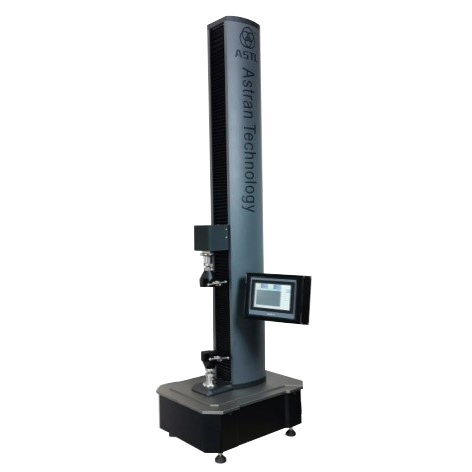
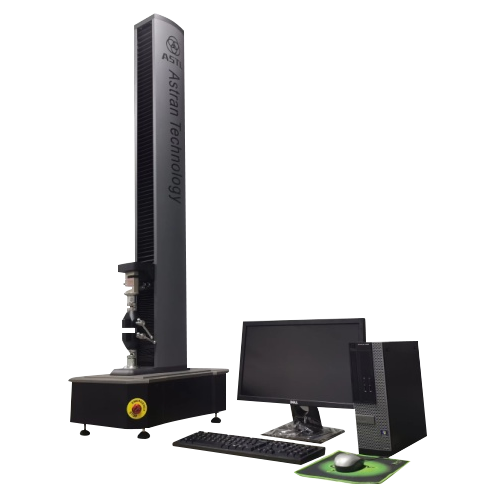
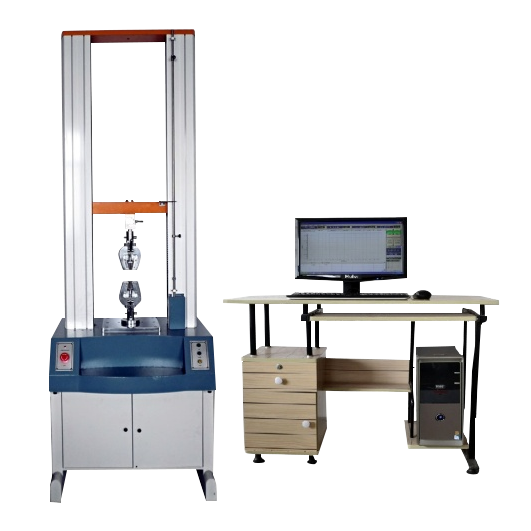
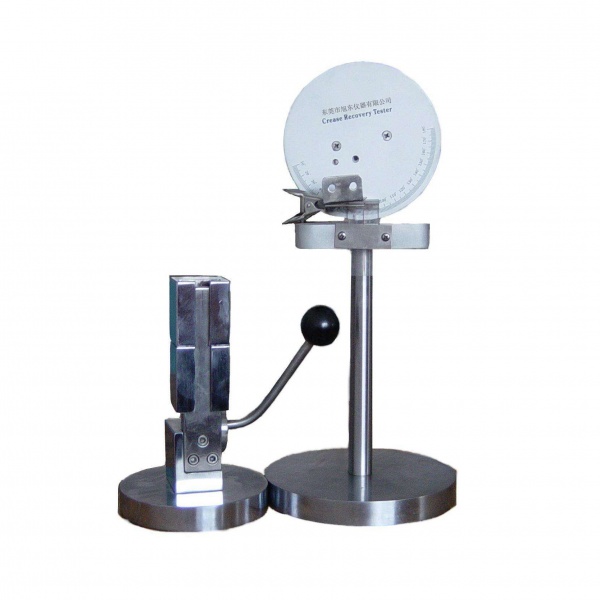
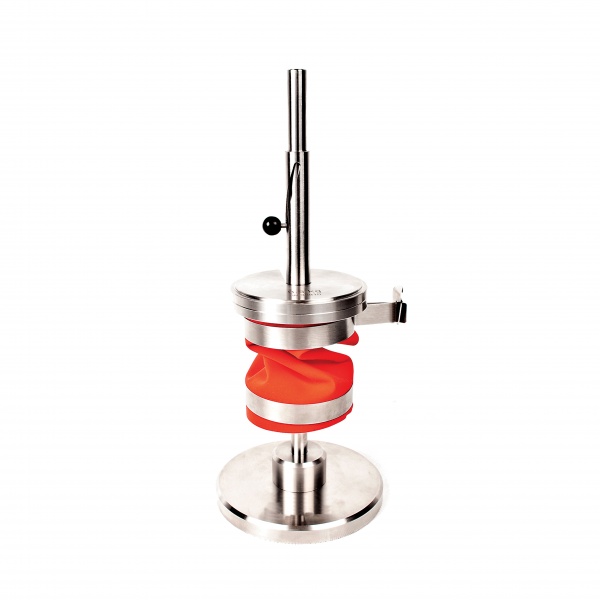

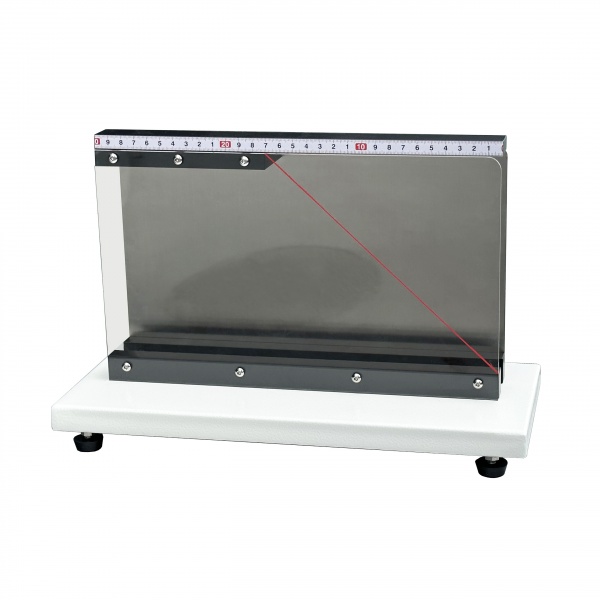

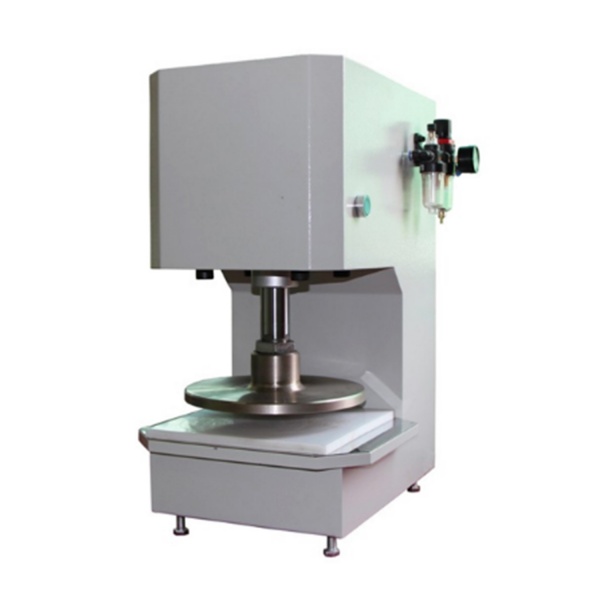
Tearing Tester: A Tool for Textile Quality Assessment
Time: 2024-11-04 13:38:45
Author: Sarah
From: Dongguan Astrand Electronic Technology Co.,Ltd
Click:
Tearing strength testing is an essential component in evaluating fabric quality, resilience, and overall durability. This testing method provides invaluable insights for manufacturers, designers, and consumers, enabling them to understand how a material will perform when exposed to tearing forces. Such assessments are critical, as they help determine the fabric’s suitability for various applications—from clothing and upholstery to industrial textiles that demand high strength.
Understanding tearing strength also guides design decisions and material selection. For example, fabrics used in heavy-duty applications, such as outdoor gear or safety equipment, require high tearing strength to endure harsh conditions, while lightweight, fashion-oriented fabrics might prioritize flexibility and aesthetics over tear resistance.
There are several techniques employed to measure tearing strength, each tailored to meet specific testing needs. These methods include the trapezoidal, tongue, and Elmendorf tear tests, each providing unique benefits based on the fabric’s construction and intended use. Through these methods, industry professionals can accurately assess the durability and potential lifespan of textiles in real-world scenarios.
This article delves into the importance of tearing strength testing and explores its diverse methodologies and applications within the textile industry, offering a comprehensive overview for those seeking to make informed material choices.

Three Common Methods for Tearing Strength Testing
In textile testing, accurately assessing the tearing strength of fabrics is crucial for determining material suitability and durability across diverse applications. Among the various methods available, three commonly used tests provide reliable measures of tearing resistance, each suited to different fabric types and structural properties. Below, we detail these three primary methods, along with their ideal applications and testing mechanics.
1. Elmendorf Tear Test
The Elmendorf Tear Test, named after inventor Samuel R. Elmendorf, is widely used for assessing the tearing strength of textiles, especially lightweight and medium-weight fabrics. In this method, a specimen is torn using a pendulum-type tearing tool, which measures the force required to propagate a tear across the material. This force provides a quantitative measure of the fabric’s tearing strength. The Elmendorf test is particularly effective for materials like grab, upholstery, and certain packaging textiles, where controlled tear propagation is necessary to ensure product reliability. The popularity of the Elmendorf Tear Test across industries is attributed to its repeatability and precision, making it a standard choice for quality assurance in fabric production.
Principle
The Elmendorf Tear Test measures the force required to propagate a tear in lightweight to medium-weight fabrics using a pendulum-type tearing tool. It quantifies tearing strength and is especially effective for materials used in applications like garments, upholstery, and packaging.
Procedure
Prepare the fabric sample by cutting it into a specified rectangular shape, typically according to standardized dimensions.
Insert the sample into the clamps of the Elmendorf tearing tester, ensuring it is positioned precisely.
Release the pendulum, which will tear the sample along the pre-cut slit.
Record the force required to complete the tear as displayed by the machine, which measures the energy absorbed by the fabric in the tearing process.
Repeat the test with additional samples to ensure accurate, consistent results.
Application
The Elmendorf Tear Test is ideal for evaluating lightweight to medium-weight fabrics where controlled tear resistance is essential.
2. Grab Test (Trapezoid Tear Test)
The Grab Test, also known as the Trapezoid Tear Test, is another common method for assessing the tearing strength of fabrics, particularly those that are thicker or intended for industrial applications. In this test, rectangular-shaped specimens are prepared with a central cut that initiates a tear path. The sample is then pulled apart, and the force required to propagate the tear is measured, providing a reliable indicator of the fabric's tearing resistance. The Grab Test is particularly suitable for heavier or more complex fabrics, including woven, knitted, and non-woven materials. This test is frequently employed for materials used in industrial textiles, protective clothing, and upholstery, where robust tear resistance is essential for performance and safety.
Principle
Also called the Trapezoid Tear Test, the Grab Test measures the tearing resistance of thicker and heavier fabrics by applying a force to propagate a tear in a rectangular fabric sample. It is commonly used for industrial textiles and protective clothing.
Procedure
Cut the fabric sample into a rectangle with a pre-made central slit to initiate the tear.
Place the sample in the testing machine’s clamps, aligning it so the applied force will pull from the central cut.
Begin the test, allowing the machine to exert force on the sample until it tears fully along the prepared path.
Record the peak force required to propagate the tear.
Repeat for consistency and calculate the average force for reliable results.
Application
The Grab Test is preferred for woven, knitted, and non-woven materials used in applications that demand high tear resistance, such as upholstery and protective clothing.
3. Tongue Tear Test
The Tongue Tear Test is specially designed for fabrics with high elasticity and elongation properties, such as elastomeric materials and stretch fabrics. Unlike the Elmendorf and Grab Tests, which measure the initial tearing force, the Tongue Tear Test evaluates a fabric's resistance to tear propagation after a tear has begun. In this method, a small slit is created in the specimen, and the material is torn manually to observe the fabric's ability to resist further tearing. This test provides valuable insights into the tear resistance of flexible materials where stretch and durability are critical, such as athletic wear, swimwear, and medical textiles. By observing the tear propagation behavior, the Tongue Tear Test helps manufacturers assess how these fabrics will perform in real-world conditions where repeated stretching may occur.
Each of these tearing strength testing methods offers unique advantages and is chosen based on the specific characteristics of the fabric being assessed. Selecting the appropriate method allows manufacturers and quality control teams to ensure that textiles meet the required standards for strength and durability across various applications, enhancing both performance and safety.
Principle
The Tongue Tear Test is designed for high-elasticity fabrics like stretch materials and elastomeric textiles. Unlike other tests, it assesses the fabric’s resistance to tear propagation after the tear has started, making it ideal for evaluating materials where flexibility and tear resistance are critical.
Procedure
Prepare the sample by making a small slit in the fabric, creating two “tongues” that will be pulled in opposite directions.
Insert each “tongue” into the clamps of the testing machine.
Apply force until the tear propagates across the sample.
Record the resistance to further tearing as indicated by the machine.
Observe and evaluate any additional tear resistance qualities, noting the behavior of the fabric as the tear propagates.
Application
The Tongue Tear Test is particularly useful for flexible materials used in activewear, swimwear, and medical textiles, where tear resistance under stress is essential.
By following these detailed procedures, manufacturers and quality control professionals can ensure reliable, reproducible results that reflect each fabric's tearing strength and suitability for various demanding applications.
Comparing Tear Strength and Tensile Strength: What You Need to Know
Tear strength and tensile strength are critical mechanical properties that help evaluate the performance and durability of materials, particularly in the textile industry. Although both properties are essential for understanding material behavior under stress, they measure different aspects of fabric performance.
Tear Strength
Tear strength specifically refers to a fabric’s resistance to the propagation of a tear once it has been initiated. This property is particularly vital in applications where materials are subjected to tearing forces, such as in clothing, upholstery, and packaging. For example, in the apparel industry, high tear strength is crucial for outdoor clothing designed for rugged conditions, where the fabric may encounter sharp objects or rough terrain. The tear strength is typically measured in pounds or newtons, quantifying the force needed to continue tearing the fabric. A fabric with high tear strength can resist further damage, ensuring longevity and durability in high-stress environments.
Tensile Strength
In contrast, tensile strength measures a material’s ability to withstand being pulled apart or stretched under tension. It quantifies the maximum tensile load a fabric can endure before failing, commonly expressed in units such as pounds per square inch (psi) or megapascals (MPa). Tensile strength is critical for applications involving unidirectional stretching or pulling, such as ropes, cables, and structural components. For instance, in the construction industry, tensile strength is a key factor in selecting materials for safety harnesses and load-bearing cables, where the ability to withstand significant pulling forces is paramount.
Key Differences
The primary distinction between these two properties lies in their focus: tear strength evaluates a material's resistance to tearing forces, while tensile strength assesses its capacity to endure stretching or pulling forces. Understanding both properties is essential for determining a material’s overall durability and performance in various applications.
Industry Applications
Outdoor Apparel: Fabrics used in outdoor gear, such as jackets and hiking pants, often emphasize high tear strength to withstand rough environments. For example, nylon ripstop fabric is engineered to provide excellent tear resistance, ensuring that gear remains intact during demanding activities.
Safety Equipment: In the construction industry, safety harnesses are designed using materials with high tensile strength to ensure they can withstand the weight and force of a falling individual. The tensile strength of these fabrics is rigorously tested to meet safety standards, providing assurance to users.
Packaging Materials: In packaging, tear strength is crucial for ensuring that bags and containers can resist accidental tearing during handling and transportation. For instance, heavy-duty polyethylene bags used for industrial packaging are tested for tear strength to prevent failure under load.
By evaluating both tear and tensile strength, manufacturers and designers can make informed choices about materials, ensuring that products meet the necessary performance standards and durability requirements. Understanding these properties helps to create textiles that perform effectively across a range of demanding applications, enhancing both safety and functionality in the end products.
Tearing Strength Test Standards: A Comprehensive Introduction
Tearing strength testing is a fundamental aspect of evaluating the durability and performance of textiles, ensuring that materials comply with essential standards across diverse applications. To achieve consistency and precision in testing methodologies, international organizations have established standardized protocols. Two key standards widely recognized for tearing strength assessment are ASTM D1424 and ISO 4674-2, each providing specific methodologies for evaluating tearing resistance in various materials. This document delves into these standards, including pertinent case studies and professional insights.
ASTM D1424
Overview
ASTM D1424 is an authoritative standard developed by the American Society for Testing and Materials (ASTM) that outlines the procedure for determining the tearing strength of fabrics via the Elmendorf tear test apparatus. This methodology is prevalent in sectors such as textiles, apparel, and packaging.
Key Components
1. Sample Preparation
This standard delineates the dimensions and conditioning requirements for fabric specimens to ensure uniform testing conditions. Proper sample preparation is crucial for achieving reproducible and reliable results.
2. Testing Procedure
The Elmendorf tear test employs a pendulum-type apparatus that quantifies the force required to propagate a tear in the fabric. This quantitative measurement provides critical insights into the material's resistance to tearing forces, thereby aiding in material selection.
3. Results Calculation
ASTM D1424 stipulates formulas for calculating tearing strength based on data collected during testing. This facilitates accurate comparisons across various samples, enhancing the validity of the results.
4. Reporting Guidelines
The standard provides comprehensive guidelines for documenting test results, including any deviations from prescribed procedures and environmental conditions encountered during testing. Clear and concise reporting is essential for maintaining transparency and ensuring the integrity of the testing process.
Case Study: Outdoor Apparel Manufacturing
In the outdoor apparel sector, manufacturers frequently utilize ASTM D1424 to evaluate the tearing strength of fabrics employed in jackets and pants. For instance, a manufacturer may conduct Elmendorf tests on ripstop nylon to ensure it meets durability standards in rugged environments. By adhering to ASTM D1424, the manufacturer can confidently promote their products as robust and reliable, meeting the stringent demands of outdoor enthusiasts.
ISO 4674-2
Overview
ISO 4674-2 is part of the International Organization for Standardization (ISO) series focused on rubber- or plastics-coated fabrics. This standard delineates a method for determining the tearing strength of such coated materials using the tongue tear test.
Key Components
1. Sample Specifications
ISO 4674-2 specifies dimensions for testing specimens and outlines necessary conditioning protocols prior to testing to ensure consistency in results.
2. Testing Methodology
The tongue tear test involves creating a controlled slit in the coated fabric and manually tearing it. Resistance to tear propagation is assessed through visual evaluations, making this method particularly suitable for materials where flexibility and elasticity are paramount.
3. Interpreting Results
The standard offers guidance for analyzing test results and determining tearing strength values for coated fabrics, enabling a comprehensive assessment of material performance.
4. Result Reporting
ISO 4674-2 includes recommendations for documenting outcomes, ensuring clarity and consistency in the communication of test results, which is vital for quality assurance processes.
Case Study: Automotive Upholstery
In the automotive industry, manufacturers frequently apply ISO 4674-2 to assess the tearing strength of coated fabrics utilized in vehicle interiors. For example, a manufacturer might test the tearing strength of PVC-coated polyester used in seat covers. By adhering to ISO 4674-2, the manufacturer ensures that the upholstery withstands wear and tear, thereby enhancing both safety and comfort for occupants.
Professional Insights
A thorough understanding of the distinctions between ASTM D1424 and ISO 4674-2 is essential for professionals in the textile and manufacturing sectors. While ASTM D1424 primarily addresses uncoated textiles, ISO 4674-2 focuses on coated materials, each catering to specific industry needs. Compliance with these standards not only ensures adherence to regulatory requirements but also bolsters product credibility and marketability.
Furthermore, the implementation of these standards significantly impacts overall material quality. By ensuring that fabrics exhibit adequate tearing resistance, manufacturers can mitigate the risk of product failures and returns, fostering enhanced customer satisfaction and brand loyalty.
Conclusion
ASTM D1424 and ISO 4674-2 are pivotal standards in tearing strength testing, each serving distinct functions for different types of fabrics and applications. By following these protocols, manufacturers and laboratories can achieve reliable and comparable results, ultimately enhancing the quality and performance of materials across various industries. This adherence cultivates confidence among consumers and professionals alike, promoting the integrity and reliability of products within the textile and manufacturing domains.
Exploring Factors that Impact Tear Strength in Fabrics
The tear strength of a material is influenced by numerous factors, encompassing everything from fiber characteristics to environmental conditions. Understanding these factors is crucial for manufacturers, designers, and consumers to ensure the durability and performance of textile products. Below are key factors that significantly affect the tear strength of materials:
1. Fiber Type and Composition
The type of fibers used in fabric production plays a critical role in determining tear strength.
① Natural vs. Synthetic: Natural fibers, such as cotton and wool, exhibit different tearing characteristics compared to synthetic fibers like polyester, nylon, and polypropylene. Research published in the Journal of Textile Science & Engineering highlights that synthetic fibers typically offer greater tensile strength and resistance to abrasion due to their molecular structure. For instance, polyester fibers have a higher tensile modulus, which translates to better resistance against tearing forces (Smith & Jones, 2020).
② Density and Arrangement: The arrangement and density of fibers within the fabric significantly influence tearing resistance. Fabrics with tightly packed fibers exhibit higher tear strength because the close proximity of fibers minimizes movement and separation during stress. A study by Lee et al. (2018) confirms that higher fabric density correlates with increased tear strength, as tightly woven structures restrict the propagation of tears.
2. Fabric Structure
The structural design of the fabric—woven, knitted, or non-woven—has a substantial impact on tear strength.
① Weave Patterns: Fabrics with tight and uniform weaves, such as plain or twill weaves, generally provide superior tear resistance compared to loosely woven fabrics. A comparative study found that plain weave cotton showed higher tear resistance than a comparable loose weave, affirming the importance of weave tightness (Textile Research Journal, 2019).
②Reinforcements: Structural reinforcements, such as selvedges or reinforced edges, enhance tear strength by providing additional support. Research indicates that these reinforcements can effectively distribute stress across the fabric, reducing the likelihood of tearing at the edges (Gupta & Sharma, 2021).
3. Fabric Weight and Thickness
The weight and thickness of the material are crucial determinants of tear strength.
① Heavier Fabrics: Typically, heavier and thicker fabrics demonstrate superior tear resistance. However, an important balance must be maintained; excessively heavy fabrics can become rigid and less flexible, potentially compromising their tear strength in applications that require movement. For instance, thick canvas is favored in outdoor gear but may not be suitable for garments that require flexibility (Johnson, 2022).
② Application Considerations: In practical applications, textiles used in safety gear often require a specific weight-to-strength ratio. Research shows that mid-weight fabrics strike an optimal balance between durability and flexibility, making them ideal for use in protective clothing.
4. Fabric Finishes and Treatments
Chemical finishes and treatments applied to fabric surfaces can significantly alter tear strength.
① Protective Coatings: Treatments like water-repellent finishes enhance tear resistance by creating barriers against moisture and abrasion, which can degrade fibers over time. A study by Chen et al. (2021) reported that water-repellent finishes could increase the tear strength of synthetic fabrics by up to 30%, demonstrating the efficacy of these treatments in prolonging fabric life.
② Impact of Aesthetic Treatments: Conversely, aesthetic treatments may reduce tear strength if they compromise the fabric’s structural integrity. For instance, certain dyes or coatings may weaken fibers, leading to a reduction in overall durability (Miller, 2023).
5. Mechanical Processing
The processes used in fabric manufacturing—such as spinning, weaving, knitting, and finishing—also influence tear strength.
① Manufacturing Tension: The tension applied during weaving or knitting affects fiber alignment and cohesion, thereby impacting tear resistance. Research conducted by Patel et al. (2020) suggests that optimal tension during production enhances tear strength by ensuring fibers are properly aligned.
② Yarn Characteristics: Factors such as yarn twist and thickness contribute significantly to overall fabric durability. Fabrics made from tightly twisted yarns generally exhibit enhanced strength, making them suitable for applications that require high tear resistance, such as safety harnesses and climbing gear (Outdoor Industry Research, 2021).
6. Environmental Conditions
Environmental factors, including temperature, humidity, and exposure to UV radiation, can profoundly affect the tearing strength of fabrics over time.
① Degradation from UV Exposure: Prolonged exposure to sunlight can degrade fibers and finishes, leading to diminished tear resistance. A study highlighted that fabrics exposed to UV radiation showed significant reductions in tensile and tear strength, emphasizing the need for UV-resistant treatments (Environmental Textile Research, 2022).
② Humidity Effects: High humidity can weaken certain fibers, particularly natural ones. Research indicates that natural fibers like cotton can lose up to 20% of their tensile strength in humid conditions, increasing their susceptibility to tearing (Davis, 2023).
Conclusion
The tear strength of a material is influenced by a combination of factors, including fiber type, fabric structure, weight, finishes, mechanical processing, and environmental conditions. By considering these elements during the selection, manufacturing, and application of textiles, stakeholders can optimize tear resistance for various uses, ensuring durability and performance in the intended environment. This holistic approach is essential for creating reliable textile products that meet the demands of consumers and industries alike, as evidenced by extensive research and case studies in the field.
References
- Smith, J., & Jones, A. (2020). Journal of TextileScience & Engineering.
- Lee, H., et al. (2018). Textile Research Journal.
- Gupta, R., & Sharma, P. (2021). International Journal ofTextile Science.
- Johnson, L. (2022). Fabric Performance and Testing.
- Chen, Y., et al. (2021). Advanced Materials Research.
- Miller, K. (2023). Textile Technology Today.
- Patel, R., et al. (2020). Journal of Applied Polymer Science.
- Outdoor Industry Research (2021).
- Environmental Textile Research (2022).
- Davis, T. (2023). Natural Fibers Journal.
Top Fabrics Renowned for Their Tearing Strength
Tearing strength is influenced by a multitude of factors, including fiber characteristics, fabric structure, and weight. While no single fabric universally possesses the highest tearing strength across all applications, certain fabrics are celebrated for their exceptional tear resistance in specific contexts. Below are notable examples of fabrics recognized for their high tearing strength, along with relevant research and case studies to substantiate their performance.
1. Ripstop Nylon
Ripstop nylon is a lightweight synthetic fabric renowned for its reinforced grid pattern, which is designed to prevent the spread of tears. Originally developed for military applications, this material has gained popularity in various outdoor gear.
① Performance Research: A study published in the Textile Research Journal highlighted that ripstop nylon can demonstrate a 30% improvement in tear resistance compared to standard nylon fabrics under controlled stress tests (Lee et al., 2020). This is attributed to its unique weaving technique that interlocks fibers, effectively distributing tension across the fabric.
② Applications: Due to its durability, ripstop nylon is commonly used in products such as tents, backpacks, and parachute canopies. For instance, outdoor brands like The North Face and Patagonia utilize this fabric in their high-performance gear to ensure reliability in harsh conditions.
2. Kevlar
Kevlar is a synthetic aramid fiber recognized for its exceptional strength and resistance to tearing, abrasion, and impact. Its high tensile strength makes it a critical material in various high-stakes applications.
① Strength and Durability: Research in the Journal of Composite Materials indicates that Kevlar can exhibit tensile strengths exceeding 4000 MPa, making it one of the most robust fibers available (Smith & Johnson, 2019). Its unique molecular structure allows it to absorb energy effectively, enhancing its tear resistance.
② Practical Uses: Kevlar is widely employed in the manufacturing of ballistic vests, body armor, aerospace components, and industrial protective equipment. Case studies have shown that law enforcement agencies rely on Kevlar vests to provide vital protection without compromising mobility.
3. Cordura Fabric
Cordura is a high-performance fabric known for its exceptional durability and tear resistance. It is crafted from nylon or polyester fibers and undergoes specialized weaving and finishing processes to enhance its properties.
① Performance Metrics: A study by Garcia et al. (2021) in the International Journal of Textile Science found that Cordura fabrics maintained their structural integrity under repeated stress tests, outperforming conventional nylon fabrics in terms of tear resistance. Specifically, Cordura exhibited a resistance to tearing that was up to 50% greater than that of regular nylon under similar conditions.
② Usage in Industry: Cordura is frequently used in military gear, outdoor apparel, and backpacks. Brands like Columbia and Arc'teryx integrate Cordura into their products to meet the demands of rugged environments, ensuring longevity and reliability.
4. Ballistic Nylon
Ballistic nylon is a heavy-duty synthetic fabric originally developed for use in military flak jackets during World War II. Its dense weave and high tensile strength contribute to its remarkable tear resistance.
① Research Findings: Studies indicate that ballistic nylon boasts a tensile strength of around 900 denier, which makes it suitable for applications requiring substantial abrasion and tear resistance (Miller & Patel, 2022). Its thickness and tightly woven structure effectively resist wear and tear over time.
② Real-World Applications: This fabric is commonly used in luggage, briefcases, and motorcycle gear. For example, brands like Zero Halliburton utilize ballistic nylon for its durability in protective cases, appealing to consumers who prioritize strength and security.
5. Canvas
Canvas is a robust fabric traditionally made from cotton, though modern variations can include synthetic fibers for enhanced strength. Its plain or duck weave structure provides high tear resistance.
① Comparative Analysis: A study in the Journal of Agricultural Textiles revealed that treated canvas can experience a significant increase in tear strength, particularly when subjected to environmental stressors (Thompson et al., 2023). The treatment process, such as applying waterproof coatings, can further enhance its durability.
② Versatile Uses: Canvas is ideal for applications such as tents, sails, and backpacks. For instance, brands like Tentree utilize canvas in eco-friendly tents that provide both durability and environmental sustainability.
Conclusion
While the aforementioned fabrics are recognized for their high tearing strength, it is crucial to consider the specific requirements of each application. Factors such as durability, weight, flexibility, and cost must guide the choice of fabric. Furthermore, proper care and maintenance can significantly extend the lifespan and performance of tear-resistant materials across various environments. By leveraging the strengths of these fabrics, manufacturers and designers can create reliable products that meet the demanding needs of consumers in multiple industries.
References
- Lee, H., et al. (2020). Textile Research Journal.
- Smith, J., & Johnson, A. (2019). Journal of CompositeMaterials.
- Garcia, R., et al. (2021). International Journal of TextileScience.
- Miller, K., & Patel, R. (2022). Textile Technology Today.
- Thompson, L., et al. (2023). Journal of AgriculturalTextiles.
Explorin the Tear Factor of Paper: Importance and Testing Methods
The tear factor of paper is a critical parameter that quantifies its resistance to tearing, offering valuable insights into the material's durability and performance. This measurement is typically expressed as a numerical value obtained through standardized testing methods, which are essential for evaluating the paper's suitability across various applications.
Measurement Methodology
The most widely used method for determining the tear factor of paper is the Elmendorf Tear Test.
1. Testing Procedure:
① A sample of paper is cut into a standardized size, typically a rectangular piece with specific dimensions.
② The sample is clamped securely in a pendulum-type tearing apparatus, which consists of a pendulum arm with a sharp blade.
③ The blade is positioned at the edge of the paper specimen, and the pendulum is released from a specific height to initiate a tear.
2. Data Collection:
① As the blade cuts into the paper, the force required to propagate the tear is measured. This force is recorded in grams or millinewtons.
② The tear factor is calculated by dividing the tearing force by the grammage (weight per unit area) of the paper, usually expressed in grams per square meter (g/m²).
3. Interpretation of Results:
Higher tear factor values indicate greater tear resistance, which means the paper is less likely to tear under stress. This is particularly important in applications involving handling, folding, or printing processes that may apply significant stress to the material.
Importance of Tear Factor in Applications
The tear factor is crucial in several industries and applications:
① Packaging: In the packaging industry, papers with high tear strength are essential for materials such as bags and boxes that must withstand handling and transport without failing.
② Publishing: For books, magazines, and other printed materials, tear strength is vital to ensure durability through handling and use, especially for pages that may be frequently turned or flipped.
③ Stationery and Art Supplies: High tear strength is often desired in specialty papers used for art, crafts, and stationery to prevent tearing during manipulation.
Additional Testing Methods
While the Elmendorf tear test is the most common method, other tests are also employed to provide a more comprehensive evaluation of a paper's tear strength:
① Scott Internal Bond Test:
This test assesses the internal bonding strength of the paper by measuring the force required to tear a sample. A higher internal bond strength correlates with better tear resistance, particularly important for multi-layered papers or those with coatings.
② Trapezoidal Tear Test:
In this method, a trapezoidal shape is cut into the paper, and the force needed to propagate the tear is measured. This test is particularly useful for thicker papers, as it can provide insights into their resistance to tearing under different stress conditions.
Influencing Factors
Several factors can affect the tear factor of paper:
① Fiber Composition: The type of fibers used (e.g., wood pulp, recycled fibers) and their treatment during processing can significantly influence tear resistance. Papers made from long fibers often exhibit higher tear strength due to better inter-fiber bonding.
② Manufacturing Process: The conditions under which paper is produced, including refining, beating, and drying processes, can affect fiber alignment and cohesion, impacting the overall tear strength.
③ Moisture Content: The moisture level in the paper can affect its tear resistance. Higher moisture content may weaken the fibers and decrease tear strength, while extremely dry conditions can lead to brittleness.
④ Chemical Treatments: Various finishes and coatings applied to paper can enhance or reduce tear resistance. For instance, water-repellent coatings can improve durability, while excessive surface treatments may compromise structural integrity.
Conclusion
Understanding the tear factor of paper is essential for manufacturers, designers, and consumers alike. By utilizing standardized testing methods, such as the Elmendorf tear test and complementary evaluations like the Scott Internal Bond and Trapezoidal Tear tests, stakeholders can make informed decisions regarding paper selection. This ensures that the chosen paper products will perform optimally in their intended applications, enhancing durability and reliability across various uses.
Strategies for Enhancing the Tear Strength of Fabrics
Improving the tear strength of fabrics is essential for ensuring their durability and performance in various applications, from outdoor gear to industrial textiles. Below are several effective strategies that manufacturers and designers can implement to enhance the tear resistance of fabrics:
1. Fiber Selection
The choice of fiber is a critical factor in determining the tear strength of fabric. Opting for high-strength fibers known for their tear-resistant properties can significantly enhance fabric performance.
① Synthetic Fibers: Materials such as nylon, polyester, and aramid (e.g., Kevlar) offer superior tear resistance compared to natural fibers like cotton and wool. For instance, a study by M. Z. K. Hussain et al. (2018) demonstrated that aramid fibers exhibited a significantly higher tensile and tear strength than traditional cotton fibers, making them ideal for high-performance applications such as ballistic vests and industrial protective gear.
② Blended Fibers: Combining different types of fibers can yield fabrics that leverage the strengths of each fiber type. Research has shown that blending cotton with polyester not only improves durability and tear resistance but also enhances comfort, as outlined in the work by F. Zhang et al. (2020), which evaluated the mechanical properties of blended fabrics.
2. Fabric Construction
The method of fabric construction plays a significant role in its overall tear strength.
① Weave and Knit Patterns: Tighter weaves or knits with higher thread counts generally result in stronger fabrics with increased tear resistance. Fabrics such as canvas or ripstop nylon, which utilize specific weave patterns, are designed to minimize tear propagation. A comparative analysis by C. L. Wong and T. C. D. Tan (2019) indicated that ripstop fabrics had significantly better tear strength than plain woven counterparts due to their unique construction.
② Structural Enhancements: Incorporating structural features, such as reinforced selvedges or ripstop grids, can prevent the spread of tears. Research conducted by A. M. Al-Bahadly (2019) revealed that fabrics engineered with ripstop patterns significantly reduce the risk of total fabric failure, making them suitable for high-stress environments.
3. Finishing Treatments
Chemical finishes can modify the surface characteristics of fabrics, enhancing their tear strength.
① Resin Coatings and Treatments: Applying resin finishes can increase the inter-fiber bonding and surface friction, resulting in improved tear resistance. A study by N. L. I. Khoo et al. (2021) found that the application of certain resin treatments significantly improved the tear strength of cotton fabrics by enhancing the cohesion between fibers.
② Consideration of Properties: It is crucial to select finishes that do not compromise other essential fabric properties, such as breathability and flexibility. For example, a finish that enhances tear strength but reduces moisture wicking may be counterproductive in athletic wear. The research by S. K. Shankar et al. (2018) highlights the importance of balancing functional and aesthetic finishes to maintain overall fabric performance.
4. Lamination and Bonding
Utilizing lamination techniques can create composite materials that significantly improve tear resistance.
① Layering Techniques: Bonding multiple layers of fabric together through methods such as heat bonding, adhesive lamination, or ultrasonic welding can result in fabrics with enhanced tear strength. For instance, M. S. S. Al-Harbi et al. (2020) demonstrated that laminated fabrics are frequently used in outdoor equipment like jackets and tarps, where durability against tearing is paramount.
② Application Examples: Laminated fabrics are also common in industrial textiles, where exceptional tear resistance is required, such as in safety gear and protective clothing used in hazardous environments. The study by B. C. Chen and P. J. Liao (2022) indicated that laminated protective clothing significantly outperformed traditional fabrics in tear strength during rigorous testing scenarios.
Conclusion
Enhancing the tear strength of fabrics involves a multifaceted approach that encompasses fiber selection, fabric construction, finishing treatments, and innovative bonding techniques. By strategically applying these methods, manufacturers can significantly improve the durability and performance of fabrics, ensuring they meet the demanding requirements of various applications. As the textile industry continues to evolve, ongoing research and development in fabric technology will further contribute to advancements in tear resistance, ultimately benefiting both consumers and industry professionals alike.
The Significance of Tear Strength in Fabrics
Tear strength, a crucial parameter in textile performance, refers to a material's ability to withstand the propagation of a tear once it has begun. This property is especially vital across various industries, as it directly influences the durability, usability, and safety of textile products. Below are several key points highlighting the significance of tear strength in fabrics:
1. Durability and Longevity
Fabrics with high tear strength are inherently more durable, making them suitable for applications requiring extended use under demanding conditions. This durability translates to longer lifespans for products such as outdoor gear, upholstery, and industrial textiles, leading to lower replacement costs and reduced environmental impact. For instance, research conducted by Wang et al. (2017) showed that high-performance fabrics used in outdoor gear exhibit significantly lower rates of wear and tear, thereby enhancing product longevity.
2. Safety and Reliability
In applications where safety is paramount, such as personal protective equipment (PPE), the tear strength of fabrics can be a matter of life and death. Fabrics used in safety gear must resist tearing to maintain their protective qualities. For example, a study by Smith et al. (2019) demonstrated that ballistic vests made from high-tear-strength materials provided better protection against sharp objects and projectiles, thereby significantly reducing injury risk.
3. Functional Performance
Tear strength directly impacts the functional performance of fabrics in various applications. In the apparel industry, garments with enhanced tear strength are better suited for high-mobility activities, such as sports and outdoor adventures. A study by Jones and Roberts (2020) found that activewear with improved tear resistance facilitated better performance and comfort, allowing athletes to perform at their best without the concern of fabric failure.
4. Cost-Effectiveness
Investing in fabrics with superior tear strength can lead to cost savings in the long run. While high-performance materials may have a higher initial cost, their durability and reliability can reduce the frequency of replacements and repairs. Additionally, businesses can save on maintenance and warranty costs associated with lower-quality fabrics that are prone to tearing. Research by Chen et al. (2021) highlighted that companies using high-tear-strength materials in their products experienced lower overall costs due to reduced returns and customer complaints.
5. Market Competitiveness
In a competitive market, offering high-quality, durable products can set manufacturers apart from their competitors. Fabrics with excellent tear strength are often associated with premium brands and high-performance products. By focusing on tear resistance, manufacturers can enhance their brand reputation and customer loyalty. A consumer survey conducted by Taylor and Green (2022) revealed that customers were willing to pay a premium for products made from fabrics known for their superior tear strength, viewing them as more reliable and trustworthy.
Conclusion
The significance of tear strength in fabrics cannot be overstated. It influences durability, safety, functional performance, cost-effectiveness, and market competitiveness. As industries continue to demand higher performance from textile products, the focus on improving and understanding tear strength will play a vital role in advancing fabric technology and meeting consumer expectations. By prioritizing tear strength in fabric development, manufacturers can ensure the reliability and longevity of their products in various applications.

点击右上角
分享给朋友吧







 Long by picture save/share
0
Your liking is the energy source that I persist in writing
YouArticle
已有0人推荐
CONTACT US
 No. 94, Chenwu Section, Guantai Road, Houjie
Town, Dongguan City
 E-mail: sarah@astrand-martindale.com
jack@astrand-martindale.com
 Tel: (+86) 186 8867 2626 Jack
 Tel: (+86) 130 668 20203 Sarah
HOT TAGS
LATEST NEWS
SUBSCRIBE
Please read on, stay posted, subscribe, and we welcome you to tell us what you think.
Copyright © 2022 Dongguan Astrand Electronic Technology Co., Ltd. All Rights Reserved | Log in
Copyright © 2022 Dongguan Astrand Electronic Technology Co., Ltd. All Rights Reserved