 Astrand Electronic
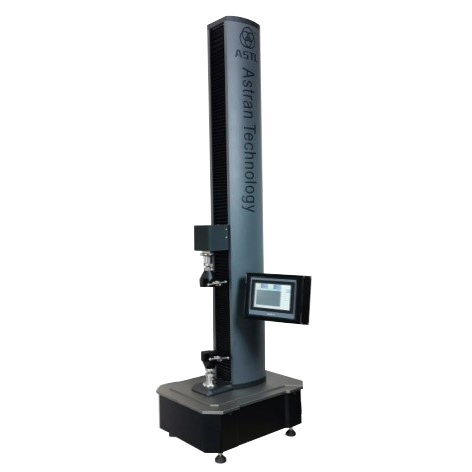
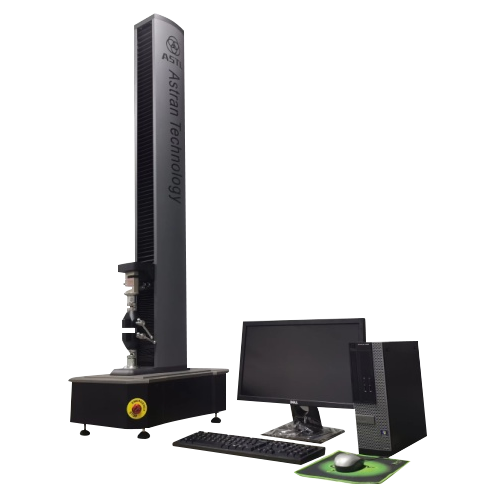
Electronic Fiber Tensile Strength Test Machine (Single Column ) ASTRAND
View more




中文
English


24-Hour Hotline
+86 130 6682 0203 Sarah

E-mail Us
sarah@astrand-martindale.com

Categories
New Products
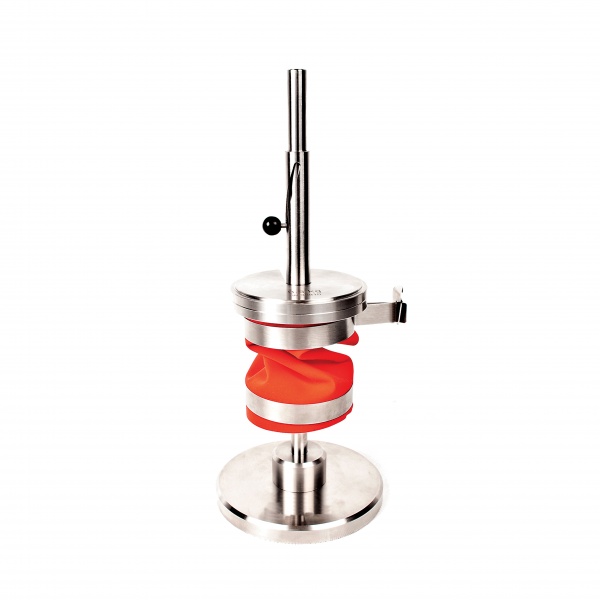

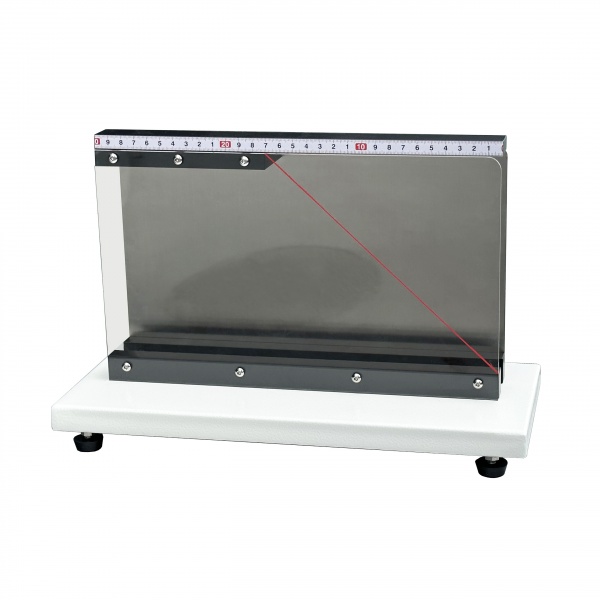

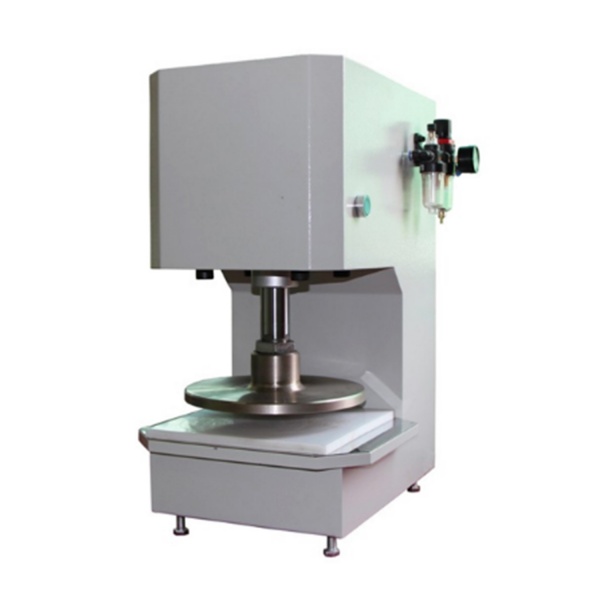
A Comprehensive Guide to Fabric Pilling
Time: 2024-11-20 11:39:57
Author: Sarah
From: Dongguan Astrand Electronic Technology Co.,Ltd
Click:
1. Overview
Fabric pilling, a common challenge in textile care, occurs when wear and friction cause tiny fiber balls to form on fabric surfaces. This phenomenon, though often overlooked, significantly impacts the appearance and durability of garments. As fabric is composed of yarn, its processing—through carding, stretching, and exposure to friction—naturally leaves a slightly uneven surface prone to fuzz formation. External forces during everyday use can further dislodge individual fibers, which then tangle into visible pills under continued friction.
The severity of pilling varies based on fabric composition, with synthetic blends and rigid fibers being more susceptible. While pilling may suggest a decline in material quality, it does not necessarily indicate the end of a fabric's usability. Instead, it highlights the importance of proper care and preventive measures. Resistance to pilling is a key quality indicator in textiles, as excessive pilling diminishes both aesthetic appeal and functional performance.
Environmental factors and fabric handling also contribute to pilling, emphasizing the need to understand its causes and solutions. By addressing pilling effectively, the lifespan and appearance of textiles can be preserved, ensuring they remain in excellent condition.

2. The Phenomenon of Fabric Pilling
Fabric pilling is a common occurrence that results in the formation of small, fuzzy balls or bumps on fabric surfaces. This happens when fibers in the textile rub together or against other surfaces, gradually tangling and creating pills. You’ve likely noticed this on your favorite clothing items like leggings, or even on cozy blankets. So, what exactly causes fabric pilling? Several factors contribute to this issue, with the most common being:
- Friction: Repeated friction fromregular wear causes fibers to loosen and form pills. This is especiallynoticeable in areas that experience constant contact, such as the seats ofupholstered furniture or the elbows of your jacket.
- Washing: Harsh detergents,aggressive washing cycles, or high temperatures can weaken fibers overtime, making them more prone to pilling.
- Environmental Conditions: Exposureto high humidity or rough surfaces can cause fibers to break and tangle,accelerating the pilling process.
2.1 Why Early Detection of Fabric Pilling Matters
Spotting fabric pilling early on is crucial for extending the life of your textiles. By identifying it in its early stages, you can take proactive steps to prevent further damage, saving both money and reducing unnecessary waste.
2.2 The Impact of Pilling on Fabric
Pilling doesn’t just affect the appearance of your fabric—it also influences its overall quality and comfort. The presence of pills gives textiles a worn and tired look, which can make garments or furniture feel rough and less pleasant to the touch. Furthermore, the buildup of pills weakens the fabric, increasing the likelihood of tears and holes, ultimately shortening its lifespan. Understanding the effects of pilling is essential for maintaining the integrity and longevity of your favorite fabrics.
3. Impact of Fiber Characteristics on Fabric Pilling
The pilling tendency of fabrics is closely linked to the characteristics of the fibers from which they are made. Understanding these characteristics allows for better prediction and prevention of pilling, which can compromise both the appearance and durability of textiles.
3.1 Effect of Fiber Length and Thickness
The length of the fibers in a fabric is one of the most important factors influencing its pilling behavior. Longer fibers, which have fewer exposed ends in the yarn structure, tend to resist pilling because their greater frictional resistance prevents them from loosening and forming fuzz. Fabrics made from longer fibers, such as silk or certain filament yarns, generally exhibit better pilling resistance.
In contrast, shorter fibers have a greater number of exposed ends, making them more susceptible to friction and easier to break free. This can result in fuzz formation and eventual pilling. Fabrics made from short-staple fibers, like cotton and wool, are more prone to these issues. Additionally, fiber fineness plays a role in pilling tendencies. Finer fibers have more exposed ends, which leads to a higher chance of fuzz formation. These finer fibers are softer but more vulnerable to tangling into balls, whereas coarser fibers are more resistant to pilling.
3.2 Surface Texture and Cross-Sectional Shape of Fibers
The smoothness of the fiber surface and its cross-sectional shape significantly influence pilling. Fibers that are smooth and have a circular cross-section, such as those found in silk or polyester, are more prone to sliding to the surface of the fabric and forming fuzz. The smooth nature of these fibers reduces internal friction, making it easier for them to break free and form pills.
On the other hand, fibers with irregular shapes—such as triangular, flat, or polygonal fibers—tend to create more friction between fibers. This increased friction helps keep the fibers locked in place, reducing the likelihood that they will slide out and form pills. Fabrics made from such fibers, like linen or some synthetics, tend to have better pilling resistance.
3.3 Fiber Strength and Durability
The mechanical properties of fibers, including their strength and wear resistance, play a crucial role in how likely they are to pill. Low-strength fibers, such as certain cotton varieties or soft wool, are more prone to breaking and shedding under friction. This makes them more likely to release fibers, which form fuzz and pills.
In contrast, fibers with high tensile strength, such as nylon or high-strength polyester, resist wear and tear much better. These fibers are more durable and do not shed as easily, which helps reduce pilling. Fabrics made from these stronger fibers tend to have a longer lifespan and better resistance to pilling over time.
3.4 Pilling Behavior in Common Fabrics
Certain fabrics are more prone to pilling than others due to the specific characteristics of the fibers used. Here's a breakdown of how different fibers perform in terms of pilling:
- Silk: A natural filament fiber witha smooth surface, silk generally resists pilling. Its smooth texture andthe strength of the individual fibers make it less prone to fuzzformation, although it can pill under extreme friction or harshlaundering.
- Linen: Linen fabrics are lesslikely to pill overall, though pilling can occur in areas subjected tofrequent friction, such as cuffs or collars. The fiber's strength andstructure make it resistant to pilling, but its rough texture may causeminor fuzzing in specific conditions.
- Cotton: Cotton fabrics are moreprone to pilling, especially after the surface is brushed, which creates asoft fuzz that can clump together. Regular friction from use or washingcan exacerbate this tendency, leading to visible pilling.
- Polyester: As a synthetic fiber,polyester is prone to pilling, but the pills often shed quickly, makingthem less noticeable. While polyester is durable and resistant to wear,its smooth surface can still form fuzz when subjected to friction.
- Wool: Wool naturally pills due tothe scaly structure of the fibers. However, high-quality wool with finer,well-treated fibers is less prone to pilling compared to lower-grade wool.Repeated friction can cause visible fuzzing and pilling in woolengarments.
- Cashmere: Cashmere is a delicatefiber that is highly prone to pilling due to its fine, short fibers.Though it is a luxurious fabric, its softness and delicate nature make itsusceptible to fuzzing, which can form into pills over time.
3.5 Yarn Structure and Its Effect on Fabric Pilling
The structure of yarn—how the fibers are spun and twisted—plays a significant role in a fabric’s pilling behavior. Factors such as yarn twist, surface smoothness, and the type of fibers used can influence whether a fabric will pill.
3.5.1 Yarn Twist and Fiber Exposure
The twist in yarn influences how securely the fibers are held together. Yarns with a higher twist have fewer exposed fiber ends, which reduces the likelihood of fuzz formation. A tightly twisted yarn helps prevent the fibers from slipping out of the fabric surface when subjected to friction, thus reducing pilling.
However, uneven yarn twists can create weak points in the fabric where fibers are loosely held, making them more likely to come loose and form fuzz. Fabrics made from yarns with inconsistent twists are more prone to pilling.
3.5.2 Smoothness of Yarn Surface
Yarns with a smooth surface tend to reduce friction between the fibers, which lowers the chances of pilling. The smoother the yarn, the less likely individual fibers are to be exposed and form fuzz. Yarns treated to be smooth or made from inherently smooth fibers, like synthetic ones, are less likely to pill compared to yarns with rougher surfaces.
3.5.3 Yarn Composition and Fiber Length
The composition of the yarn—whether it is made from long fibers or short ones—also impacts its tendency to pill. Yarns with shorter fibers are more likely to have fibers that protrude from the surface, leading to fuzz formation. In contrast, filament yarns, which consist of longer, continuous fibers, are less likely to pill due to their smoothness and fewer exposed ends.
Fabrics made from fancy-twist or bulky yarns, which incorporate short fibers and extra fluff, tend to pill more easily due to the increased exposure of fiber ends. On the other hand, filament yarns with longer fibers generally exhibit better pilling resistance.
3.5.4 Synthetic Fiber Characteristics
Synthetic fibers like polyester, acrylic, and nylon are more prone to pilling than natural fibers due to their inherent low cohesion between fibers. While synthetic fibers are strong and durable, their ability to retain heat and generate static electricity can cause fuzz to accumulate on the fabric surface. The static charge encourages fibers to move and tangle, contributing to pilling. Fabrics containing a higher percentage of synthetic fibers are more likely to experience significant fuzzing and pilling.
3.6 Fabric Construction and Its Role in Pilling Resistance
The overall construction of a fabric—the way fibers and yarns are woven or knitted—affects how easily pilling occurs. Various aspects of fabric structure can either encourage or prevent pilling.
3.6.1 Fabric Density and Tightness
The density of a fabric, or the closeness of the fibers and yarns, plays a critical role in its resistance to pilling. A tightly woven or knitted fabric creates friction between fibers that is strong enough to prevent fuzz from forming on the surface. In contrast, fabrics with a looser weave or knit are more prone to pilling, as the fibers are more loosely held and can shift more easily during wear.
3.6.2 Weave and Knit Structure
Fabrics that feature frequent interlacing of warp and weft yarns—like plain weave fabrics—tend to be more resistant to pilling because the fibers are tightly bound together. This makes it more difficult for the fibers to move and form fuzz. On the other hand, fabrics with long yarn floats or fewer interlacings, such as certain jacquard or satin weaves, allow fibers to slide more easily, leading to an increased risk of pilling.
3.6.3 Fabric Finishing Treatments
Finishing treatments, such as singeing, brushing, and heat-setting, can help reduce the risk of pilling. Singeing removes protruding fibers from the surface, while brushing can help lift loose fibers before they form pills. Heat-setting processes, such as those used in polyester or polyester-blend fabrics, stabilize the fibers and reduce their tendency to move and form fuzz.
3.6.4 Laundering and Environmental Factors
The conditions under which fabric is worn or laundered can accelerate pilling. Washing fabrics with harsh detergents or using high friction in the washing machine can dislodge fibers and promote fuzz formation. Similarly, fabrics that come into frequent contact with rough surfaces, like seat cushions or backpacks, are more likely to pill due to the abrasion and friction they experience.
4. Fabrics Less Prone to Pilling
While many fabrics are susceptible to pilling, some have inherent properties that make them more resistant. Understanding these fabrics and their anti-pilling characteristics can guide you in choosing textiles that are more durable, comfortable, and aesthetically pleasing over time.
4.1 Silk
Silk, a luxurious natural fiber, is renowned for its smooth texture and soft feel. It is naturally more resistant to pilling due to its long, continuous fibers, which reduce the number of exposed ends that can fray and form pills. The sleek surface of silk minimizes friction, making it less vulnerable to the rubbing and abrasion that typically leads to pilling in other fabrics. However, it is important to note that silk can still pill under extreme conditions, such as when exposed to harsh laundering or rough handling.
4.2 Rayon
Rayon is a semi-synthetic fiber derived from cellulose, offering a smooth and silky texture that helps prevent pilling. Its slick surface reduces friction between fibers, making it less likely to form pills compared to more abrasive fabrics. However, rayon’s resistance to pilling can be compromised under certain conditions. Rough washing, high heat, and excessive friction during wear can cause the fibers to break down, leading to pilling. To extend its lifespan, rayon should be handled with care during laundering and when worn in high-friction areas.
4.3 Linen
Linen, a natural fiber obtained from the flax plant, is valued for its breathable and durable qualities. It is generally resistant to pilling due to the strength of its fibers and their unique textured appearance. The natural structure of linen fibers is less prone to the kind of abrasion that typically causes pills to form. Linen’s rougher surface compared to other fabrics also means that any potential fuzz tends to stay firmly attached, rather than tangling into pills. However, frequent wear or exposure to abrasive surfaces can still contribute to minor fuzzing, though this is less of a concern for high-quality linen.
5. Fabrics That Are Easy to Pilling
Understanding which fabrics are more likely to pill is essential for maintaining the quality and longevity of your clothing. Some materials are more susceptible to this issue due to their structure and fiber properties.
5.1 Pilling in Synthetic Fabrics
Synthetic fibers such as polyester, acrylic, and nylon are particularly prone to pilling. Their smooth surfaces and low moisture absorption increase friction, leading to fiber breakage and the formation of pills. Additionally, when blended with natural fibers, these synthetics can exacerbate pilling, especially in areas of constant friction.
5.2 Cotton Blends and Their Pilling Tendency
Cotton blends, which combine cotton with synthetic fibers like polyester or elastane, may exhibit varying levels of pilling. Blends containing polyester are especially susceptible due to the smooth nature of polyester, which facilitates fiber shedding and pill formation. The risk of pilling increases depending on the proportion of synthetic fibers in the mix.
5.3 Wool’s Vulnerability to Pilling
Despite being a natural fiber, wool is prone to pilling, particularly in high-friction areas such as sweater cuffs and underarms. This occurs due to the scaly structure of wool fibers, which tend to interlock and form pills when subjected to friction. Wool’s natural warmth and softness come with the trade-off of increased pilling risk with frequent wear.
5.4 Pilling Risks in Wool Blends
Wool blends, which combine wool with synthetic fibers, can also experience pilling. The risk is heightened when wool is loosely spun or mixed with fibers like polyester. These blends often result in more friction, which can lead to the shedding of fibers and the formation of pills. Proper care and maintenance are essential to reducing pilling in wool blends.
6. Pilling in Different Types of Garments
Understanding how pilling affects various garments helps in choosing appropriate fabrics and caring for your clothes. Each type of clothing has unique factors that contribute to pilling.
6.1 Pilling in Sweaters
Sweaters, especially during the colder seasons, are particularly vulnerable to pilling due to constant wear and friction.
6.1.1 Main Causes of Pilling in Sweaters
Friction: Constant rubbing from the body or outer layers leads to fiber damage and pill formation.
Washing Habits: Using harsh detergents, hot water, or rough washing cycles can exacerbate pilling.
Quality of Yarn: Sweaters made from lower-quality yarns tend to pill more quickly than those made from finer, more durable fibers.
6.1.2 Maintaining Sweater Quality and Appearance
Proper Washing: Hand wash or use a delicate machine cycle to prevent fiber stress.
Gentle Drying: Lay sweaters flat to dry instead of wringing them to avoid fiber distortion.
Removing Pills: Use a fabric shaver or sweater stone to carefully remove pilling without damaging the fabric.
6.2 Pilling in T-Shirts and Casual Wear
T-shirts and other casual garments often experience pilling due to their regular use and frequent laundering.
6.2.1 Why Pilling Occurs in T-Shirts and Casual Wear
Frequent Washing: Continuous washing can weaken fabric fibers and lead to pilling.
Physical Activity: Rough activities like sports or intense physical movement cause friction, promoting pilling.
6.2.2 Tips to Preserve T-Shirts and Casual Garments
Pre-Wash Care: Turn garments inside out to minimize wear on the fabric's surface.
Use Gentle Wash Cycles: Reduce stress on fabric by using a delicate wash cycle.
Air Drying: Dry T-shirts and casual wear by air-drying to prevent further friction from dryers.
6.3 Pilling in Bedding and Linens
Even sheets and pillowcases can fall victim to pilling due to their frequent use and washing cycles.
6.3.1 Factors Leading to Pilling in Bedding
Regular Usage: Body friction during sleep causes fibers to loosen and form pills.
Frequent Laundering: Washing sheets often accelerates the pilling process as fibers weaken over time.
6.3.2 Best Practices to Prevent Pilling in Bedding
Opt for High-Quality Fabrics: Invest in bedding made from durable, pilling-resistant materials.
Washing and Drying Recommendations: Use gentle cycles and avoid mixing bedding with lint-producing items.
Rotate and Replace Sheets: Rotate your linens regularly and replace them once significant pilling has occurred for consistent comfort.
7. Methods and Standards for Detecting Fabric Pilling
When selecting fabrics, understanding the potential for pilling is essential. Pilling occurs when fibers loosen and clump together, forming unsightly balls on the fabric's surface. Identifying fabrics prone to pilling can help you make better purchasing decisions and care choices. Synthetic fibers are more likely to pill and can be challenging to clean, as they often create loose threads. In contrast, natural fibers tend to pill less and are easier to maintain. Knitted materials containing acrylic, for example, are known for producing significant amounts of pilling due to their shorter, straight fibers.
7.1 Test Methods Used by Manufacturers to Detect Fabric Pilling
To assess the pilling resistance of fabrics, manufacturers rely on several standardized testing methods. These tests simulate the wear and tear that fabrics endure during regular use, providing a clear picture of how materials will perform in real-life scenarios.
Martindale Method
This widely recognized method involves rubbing fabric samples under a controlled pressure against abrasives. The abrasives used can be either the same fabric as the test sample or woolen fabric. The sample is mounted on a holder that rotates freely around a central axis while the abrasion occurs. This test is typically carried out on a Martindale abrasion platform, following a Lissajous curve pattern. After a specified number of rotations, the level of fuzzing and pilling is visually assessed using a grading system. This method provides a reliable measure of a fabric's durability and pilling potential during normal wear.
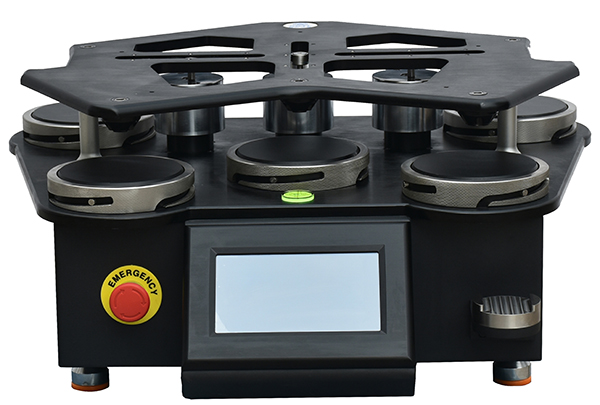
XD-B18 Martindale Abrasion Testing Machine
Pilling Box Method
In the Pilling Box method, fabric samples are placed inside a polyurethane tube and tumbled inside a wooden box that is lined with soft cork. The samples are subjected to random abrasion from the cork for a defined number of tumbling cycles. Once the cycles are completed, the fabric's pilling and fuzzing performance is visually evaluated. This method is effective for simulating the real-world friction fabrics encounter during use and laundering.

ICI Pilling and Snagging Tester XD-B62
Random Tumble Pilling Method
This method uses a testing box in which fabric samples are placed. The box contains a rotating impeller that causes the samples to randomly rub against the soft cork lining. After a predetermined amount of time, the samples are removed, and their pilling severity is rated. The random nature of the friction mimics how fabrics typically wear in everyday scenarios, offering a realistic evaluation of their pilling resistance.

XD-B14 Random Tumble Textile Pilling Lab Testing Tester
7.2 Industry Standards for Fabric Pilling Evaluation
To ensure consistency and accuracy in fabric pilling assessments, several international standards provide guidelines for testing methods. These standards help manufacturers and testers assess fabric quality and performance in a way that is globally recognized.
ISO 12945-2
The International Organization for Standardization (ISO) has established ISO 12945-2, a global standard for fabric pilling tests. This standard outlines the methodologies for determining the pilling resistance of fabrics under controlled conditions. It helps to standardize testing across industries, ensuring consistent results and comparability between different fabrics.
ASTM D3512
The American Society for Testing and Materials (ASTM) provides the D3512 standard for evaluating fabric pilling. This standard focuses on the abrasion and pilling properties of textiles, offering guidelines for testing that are widely used in the U.S. and internationally. ASTM D3512 helps determine the durability of fabrics when subjected to friction, making it a critical tool in textile manufacturing.
AATCC 8
The American Association of Textile Chemists and Colorists (AATCC) has developed method AATCC 8, which details procedures for assessing fabric pilling. This standard is widely adopted by textile professionals and offers specific instructions on how to conduct tests that simulate the effects of everyday wear and laundering on fabric surfaces.
8. Fabric Pilling Grade Chart
| Characteristic | Description | Pilling Tendency |
| Fiber strength | The stronger the fiber | Easy to pill |
| Fiber length | The shorter the fiber length | Easy to pill |
| Fiber fineness | The finer the fiber | Easy to pill |
| Friction between fibers | The smaller the friction between fibers | Easy to pill |
| Fiber cross-section shape | Fiber circular cross-section is better than special-shaped cross-section | Easy to pill |
| Fiber crimp | High fiber curl | Easy to pill |
| Fiber blend | Blending of chemical fiber with wool,cotton,and regenerated cellulose fiber | Easy to pill |
9. Evaluating the Pilling Tendency of Fabrics
Understanding a fabric's susceptibility to pilling is essential for making informed choices about clothing and home textiles. Below are key methods and tips to assess pilling potential with professional precision.
9.1 Conducting a Burn Test

XD-B49 45 Degree Flammability Tester
A simple burn test can help identify fiber content, which influences pilling tendencies.
9.1.1 Step-by-Step Burn Test:
a. Prepare a Sample: Snip a one-inch square of the fabric.
b. Ignite the Corner: Carefully light a corner of the sample.
c. Observe the Results: Take note of:
Flame characteristics and speed
Smoke color and odor
Ash residue
9.1.2 Interpreting the Findings:
a. Smooth Burn (Low Pilling Risk): Natural fibers like cotton or silk burn cleanly, with minimal smoke and a mild odor.
b. Black Smoke and Harsh Odor (High Pilling Risk): Fabrics producing black smoke and unpleasant smells are often synthetic and more prone to pilling.
c. Ash Residue: Natural fibers leave soft, crumbly ash, while synthetic fibers form hard, bead-like residue. Fabrics with higher natural fiber content are generally less likely to pill.
9.2 Analyzing Fiber Content
Checking fiber composition provides valuable insights into a fabric's pilling behavior.
9.2 Steps to Evaluate Fiber Content:
9.2.1 Examine the Label: Fabric labels usually list the fiber composition.
9.2.2 Understand the Blend:
a. Natural Fibers: Cotton, silk, and wool tend to resist pilling due to their fiber structure.
b. Synthetic Fibers: Polyester, acrylic, and nylon are more prone to pilling because of their smooth, low-friction surfaces.
9.2.3 Practical Tip: If the fabric contains a high percentage of synthetic fibers, expect higher pilling potential, especially in high-use items.
9.3 Visual Inspection for Pilling Signs
A quick visual assessment can reveal a fabric’s likelihood to pill.
9.3.1 How to Inspect:
a. Look for Pills: Check the fabric surface for tiny bumps or loose fiber balls.
b. Evaluate Texture: Fabrics with a smoother surface are less prone to pilling compared to rough or fuzzy textures.
c. Spot Early Indicators: Watch for signs like slight fuzziness or small knots that could develop into pills with wear.
9.4 Considering Usage and Care Needs
Fabric purpose and maintenance requirements also influence pilling tendencies.
9.4.1 Key Considerations:
a. Intended Use: Items subjected to frequent friction, like jeans or seat covers, are more likely to pill than decorative or occasional-use items.
b. Care Guidelines: Adhere to washing and drying instructions provided by manufacturers to minimize damage and pilling over time.
9.5 Factoring in Environmental Conditions
External factors like usage environment and exposure can accelerate pilling.
9.5.1 Environmental Influences:
a. High friction areas, such as furniture in constant use, promote faster pilling.
b. Prolonged exposure to sunlight or moisture may weaken fibers, increasing susceptibility to pilling.
9.5.2 Proactive Choices:
Select fabrics suited to the intended environment to prolong their lifespan and reduce wear-related pilling.
By employing these methods—burn tests, fiber content analysis, visual inspections, and understanding environmental factors—you can make informed decisions to minimize pilling. This ensures better fabric performance, durability, and satisfaction in your textile choices.
10. Effective Strategies to Prevent Fabric Pilling
Pilling can be a nuisance, but with the right care and maintenance, you can keep your clothes and bedding looking fresh and smooth. Below are some expert laundry tips to help reduce or eliminate pilling formation.
10.1 Follow Care Instructions Carefully
To safeguard your fabrics from damage, always adhere to the care instructions provided on labels. These guidelines include optimal washing cycles, temperature settings, detergent recommendations, and drying suggestions. Properly following these instructions helps maintain the integrity of fibers and prevents pilling from occurring.
10.2 Prepare Items Before Washing
Before washing, take a moment to turn garments inside out and fasten zippers, buttons, and hooks. These simple steps reduce the friction and abrasion on the surface of the fabric, which is a primary cause of pilling.
10.3 Limit Washing Frequency
Washing clothes after every wear is often unnecessary and can accelerate fiber wear and tear. Outerwear, sweaters, and jackets, for instance, can be aired out between uses. When washing is essential, follow best practices like using a gentle cycle and turning clothes inside out to preserve fabric quality.
10.4 Sort Laundry by Fabric Type and Reverse Clothing
For optimal results, sort laundry by fabric type to prevent rougher items from rubbing against delicate materials. For instance, mixing heavy fabrics like jeans with lightweight items such as sweaters can increase pilling risk. Additionally, turning clothes inside out helps minimize surface friction, preserving fabric quality and appearance.
10.5 Invest in High-Quality Fabrics
Premium fabrics, such as tightly woven cotton, durable wool blends, or advanced synthetic fibers, are specifically designed to resist pilling. While these may come at a higher initial cost, their extended lifespan reduces the need for frequent replacements, making them a worthwhile long-term investment.
10.6 Opt for Gentle, Eco-Friendly Detergents
Harsh chemicals in traditional detergents, bleach, or certain fabric softeners can weaken fabric fibers, making them more susceptible to pilling. Instead, choose mild, environmentally friendly detergents that protect fabric integrity while effectively cleaning your garments.
10.7 Use Enzyme-Based Detergents and Opt for Gentle Wash Cycles
Enzyme-based detergents can help smooth fabric fibers, reducing the likelihood of knots and tangles that lead to pilling. Complementing this with fabric softener can further protect the fibers, keeping them smooth and less prone to breakage. Choose a gentle or delicate wash cycle with reduced spin speeds to minimize agitation. For especially delicate fabrics, hand washing is a viable alternative to prevent unnecessary friction.
10.8 Use Fabric Softener Wisely
Fabric softeners create a protective layer around fibers, reducing friction and softening the fabric. To maintain this benefit without overloading the fabric with chemicals, add fabric softener sparingly during the rinse cycle. This practice minimizes abrasion and enhances the smoothness of your garments.
10.9 Avoid Overloading the Washing Machine
Overloading your washing machine can create excessive friction between clothes, accelerating pilling. Ensure there is enough space in the drum for the fabrics to move freely, which reduces the chances of fibers rubbing together.
10.10 Prioritize Low-Heat Drying
High dryer temperatures can cause fibers to become brittle, increasing the likelihood of breakage and pilling. Use a low-heat setting to dry clothes and promptly remove them once they’re dry. For delicate fabrics, line drying is the best option to prevent heat-related damage.
10.11 Air Dry When Possible
Where possible, opt for air drying by hanging or laying items flat to dry. Dryers can contribute to fabric pilling due to the friction that occurs when clothes tumble against one another. Air drying is gentler on fabrics and helps preserve their appearance for longer.
11. Effective Techniques for Removing Pilling
While preventing pilling is ideal, removing it when it does occur can significantly improve the look of your garments. Here are some efficient methods for tackling pilling, especially on natural fabrics, which are generally easier to treat.
11.1 Fabric Shavers
Investing in a quality fabric shaver can help remove pilling without causing damage to the fabric. Be sure to use the shaver gently and avoid applying too much pressure, as this can harm the fibers. A fabric shaver is especially effective for removing surface fuzz without compromising the material.
11.2 Disposable Razors
If you don’t have a fabric shaver on hand, a disposable razor can be a useful alternative. Gently glide the razor over the fabric surface without pressing down too hard, as this can risk cutting the fabric. While effective, this method should be used with caution to avoid damage.
11.3 Specialized Pill Razors
For dense fabrics like wool, specialized pill razors are ideal. They work well on thicker textiles but should be avoided on knitted or delicate fabrics, where they might cause further damage. A pill razor can help restore the appearance of your wool garments with ease.
Additional Tips for Reviving Fabrics
After removing pilling, consider steaming your fabrics to help relax the fibers and restore their softness. A light mist of fabric softener diluted with water can also be sprayed to further enhance the smoothness and texture of the fabric, leaving it feeling refreshed and rejuvenated.
Understanding fabric pilling is key to maintaining textile quality and longevity. By recognizing prone and resistant fabrics, pilling factors, testing methods, and prevention tips, you can make informed choices, extend fabric lifespan, and support sustainable care practices.

点击右上角
分享给朋友吧







 Long by picture save/share
0
Your liking is the energy source that I persist in writing
YouArticle
已有0人推荐
CONTACT US
 No. 94, Chenwu Section, Guantai Road, Houjie
Town, Dongguan City
 E-mail: sarah@astrand-martindale.com
jack@astrand-martindale.com
 Tel: (+86) 186 8867 2626 Jack
 Tel: (+86) 130 668 20203 Sarah
HOT TAGS
LATEST NEWS
SUBSCRIBE
Please read on, stay posted, subscribe, and we welcome you to tell us what you think.
Copyright © 2022 Dongguan Astrand Electronic Technology Co., Ltd. All Rights Reserved | Log in
Copyright © 2022 Dongguan Astrand Electronic Technology Co., Ltd. All Rights Reserved