 Astrand Electronic
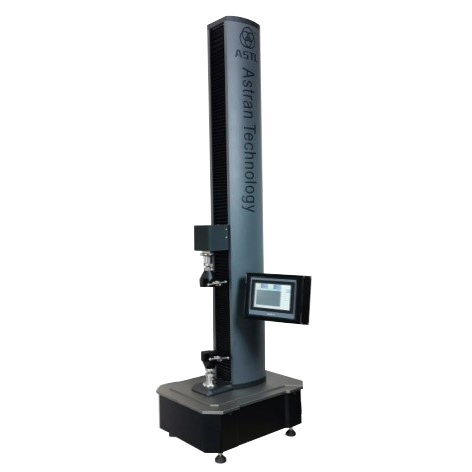
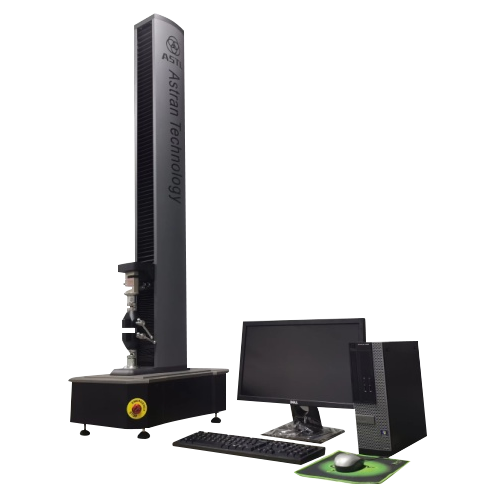
Electronic Fiber Tensile Strength Test Machine (Single Column ) ASTRAND
View more




中文
English


24-Hour Hotline
+86 130 6682 0203 Sarah

E-mail Us
sarah@astrand-martindale.com

Categories
New Products


Ultimate Guide to Fabric Shrinkage Testing
Time: 2024-12-16 11:21:56
Author: Sarah
From: Dongguan Astrand Electronic Technology Co.,Ltd
Click:
1. Understanding Fabric Shrinkage
Fabric shrinkage refers to the dimensional change in fabric, where its size either reduces or slightly increases. During the manufacturing process, fabric undergoes a series of treatments, including stretching along its length and width. These processes introduce tension and stress within the fibers.
When fabric is exposed to moisture, water acts as a relaxing agent, releasing the built-up stress in the threads. This relaxation process causes the fabric's structure to adjust, resulting in dimensional changes. Depending on the type of fabric and its composition, this adjustment can lead to size reduction (shrinkage) or a slight increase in dimensions.
Fabric shrinkage is a natural outcome of the production and finishing stages and plays a significant role in determining the final performance and fit of textile products.
2. Comprehensive Guide to Fabric Shrinkage Types
Fabric shrinkage can occur at various stages of textile production, influenced by the materials, manufacturing methods, and finishing processes. Understanding the different types of shrinkage is essential for maintaining fabric quality and ensuring a precise fit in finished products. Below, we break down the primary types of fabric shrinkage:
2.1. Construction Shrinkage
Construction shrinkage refers to the dimensional changes in fabric caused by the inherent characteristics of its yarn construction. When cotton fabric is initially produced on knitting machines or weaving looms, it exists in its greige state, where no further processing has been applied.
At this stage, shrinkage occurs due to the construction variables (such as yarn type, tension, and machine settings) used during fabric formation. This type of shrinkage is measured after the fabric is manufactured but before dyeing, finishing, or other processes. It highlights the natural relaxation of the fibers as they adjust from the production setup.
2.2. Processing Shrinkage
Processing shrinkage occurs during subsequent stages, such as dyeing, finishing, and apparel manufacturing. Each process introduces stresses or adjustments to the fabric’s structure, often leading to dimensional changes.
This type of shrinkage results from processing variables that either amplify or reduce the original construction shrinkage. Typically, during wet processing:
1)The length is stretched, causing elongation.
2)The width is reduced, leading to narrowing.
While some dimensional changes are elastic and reversible, others may exceed the fabric's elastic limits, causing permanent shrinkage. Processing shrinkage significantly impacts the residual shrinkage of the final product.
2.3. Elastic Shrinkage
Elastic shrinkage is defined as the fabric's natural relaxation from the tensions accumulated during production and processing. This type of shrinkage occurs when the fabric's fibers regain their original shape and dimensions after being stretched or stressed.
Elastic shrinkage is often temporary and can be reversed if the material is treated properly, but in some cases, excessive stress may cause permanent deformation.
2.4. Drying Shrinkage
Drying shrinkage refers to the dimensional changes that occur during the drying process. As moisture is removed, the fibers, yarns, and overall fabric structure experience 'deswelling', causing the material to contract.
Key factors in drying shrinkage include:
1)Stretching along the length: Continuous processes during dyeing often elongate the fabric.
2)Reduction in width: Tension during drying can pull the fabric's width beyond its elastic limits, causing irreversible changes.
The physics of drying creates a contraction effect as the fabric's relaxed dimensions are redefined.
2.5 Shrinkage During Washing
Shrinkage during washing typically occurs in two directions:
1)Lengthwise: The fabric shortens along its length.
2)Widthwise: The fabric narrows across its width.
2.6 Testing Residual Shrinkage
A common method to test shrinkage involves marking a square area on heat-set material, washing it under controlled conditions, and measuring the resulting dimensions:
1)Mark a square on the fabric and boil it in soft water for 30 minutes.
2)Centrifuge and air dry the fabric without ironing.
3)Measure the dimensions of the square and calculate shrinkage.
Standard Requirement: A well-set fabric should exhibit no more than 1% residual shrinkage after testing.
3. What Causes Fabric Shrinkage?
Fabric shrinkage can result from a variety of factors, ranging from the inherent attributes of the material to the external processes it undergoes. Below is an in-depth look at the key causes of fabric shrinkage.
3.1 Fabric Attributes
The physical characteristics of a fabric significantly impact its susceptibility to shrinkage.
3.1.1 Moisture Content Absorption
Fabrics have microscopic spaces within their weave, allowing them to absorb moisture easily. This is why natural fibers like cotton, known for their high absorbency, tend to shrink the most. The absorbed water relaxes the fabric's internal stress, leading to a change in its dimensions.
3.1.2 Tension in Fabric
During manufacturing, fabrics are often subjected to stretching, creating tension within the fibers. Knitted fabrics, for instance, may expand by as much as 10% after each processing step. When the tension is released, typically during washing or drying, the fabric relaxes, leading to shrinkage.
3.1.3 Density of Fabrics
Fabric density refers to the number of yarn layers interwoven to create a cloth. Denser fabrics, such as cambric, shrink less due to their compact structure but still experience shrinkage if not pre-shrunk during production. On average, dense fabrics may shrink by 5%, especially after repeated washing and drying.
3.1.4 Yarn Thickness
Thicker yarns create stronger weaves, which are less likely to break but can still shrink when exposed to water. This shrinkage is caused by the deswelling of yarns as they absorb moisture, altering the fabric's overall dimensions.
3.2 Fiber Structure
Fabric shrinkage is also influenced by the structure of its fibers. Yarns are composed of numerous fine fibers whose orientation and twist level determine the shrinkage rate.
- High-twist yarns tend to shrinkmore as the fibers unwind and relax.
- Low-twist yarns exhibit lessshrinkage due to their more stable structure.
3.3 Washing Temperature
The temperature of the water used during washing plays a critical role in shrinkage.
- Hot or warm water accelerates shrinkage by causing fibers tocontract quickly.
- Pre-shrinking fabrics by washing them in warm water beforetailoring can prevent future shrinkage.
Important Note: High temperatures are effective at removing dirt and germs but can permanently alter the size of garments. To preserve fabric quality and prevent excessive shrinkage, always wash at the recommended temperature.
3.4 Finishing Process
The finishing process is the final stage of fabric production, ensuring the material is polished and ready for use. It involves washing, drying, and pressing the fabric to create a professional appearance.
During finishing:
- Pre-shrinking treatments minimize shrinkage in future washes.
- Extended exposure to temperatures between 90°F and 110°F cansignificantly reduce fabric dimensions.
This process is crucial for textile industries to maintain product quality and establish trust with buyers.
3.5 Fiber Type
The type of fiber used in a fabric determines its tendency to shrink:
- Natural fibers like cotton and woolare more prone to shrinkage due to their absorbent nature.
- Synthetic fibers such as polyesterand nylon exhibit lower shrinkage rates.
3.6 Fabric Construction
The construction of the fabric, whether woven or knitted, influences its shrinkage behavior:
- Looser weaves or knits are more likely to shrink due to lessstructural stability.
- Tightly woven fabrics are more resistant to dimensionalchanges.
3.7 Finishing Treatments
Chemical finishes applied during manufacturing can either enhance or reduce shrinkage. For instance:
- Pre-shrinking treatments reduce shrinkage in subsequent washes.
- Fabrics without such treatments are more likely to shrink overtime.
3.8 Heat and Moisture Exposure
Both heat and moisture contribute to shrinkage by relaxing fibers:
- Hot water washing and high-temperature drying cause fibers tocontract.
- Excessive humidity can also trigger shrinkage, particularly innatural fibers.
3.9 Mechanical Agitation
Aggressive handling during washing or drying, such as high-speed spinning or tumble drying, can lead to shrinkage. Repeated friction and movement cause the fibers to rearrange, reducing the fabric’s dimensions.
3.10 Improper Care
Failure to follow care instructions can result in shrinkage. Examples include:
- Washing at incorrect temperatures.
- Using harsh detergents.
- Rough handling of delicate fabrics.
3.11 Fabric Blends
Blended fabrics, made from a combination of fibers, may shrink unevenly due to differences in fiber properties. This can result in distortion or irregular contraction during laundering.
4. Fabric Shrinkage Rates: A Comprehensive Guide
Fabric shrinkage is an essential factor to consider when selecting, washing, and maintaining textiles. Different materials exhibit unique shrinkage behaviors based on their fiber composition, weave, and processing methods. Below is an in-depth analysis of shrinkage rates across various fabrics, along with practical tips to minimize unwanted dimensional changes.
4.1. Cotton
Shrinkage Rate: 3%–5% (Initial Wash)
Cotton, one of the most widely used natural fibers, is known for its high absorbency and tendency to shrink.
- Factors Contributing to Shrinkage: Cotton fibers swell whenexposed to water, which releases the tension stored during weaving orknitting.
- Pre-shrunk Cotton: Fabrics labeled as "pre-shrunk"undergo pre-treatment to minimize shrinkage, reducing the rate to lessthan 2%.
Care Tips:
- Wash in cold or lukewarm water.
- Use a gentle cycle and avoid high-temperature drying.
4.2. Wool
Shrinkage Rate: 10%–20%
Wool, a protein-based fiber, is especially sensitive to heat and agitation, causing it to shrink significantly if not handled carefully.
- Felting Shrinkage: Wool fibers interlock when exposed tomoisture and friction, resulting in permanent shrinkage.
- Blended Wool: Wool blends, such as wool-polyester, generallyshrink less due to the stabilizing effect of synthetic fibers.
Care Tips:
- Hand wash in cool water with a mild detergent.
- Air dry flat to maintain shape.
4.3. Linen
Shrinkage Rate: 2%–5%
Linen, derived from flax fibers, is moderately prone to shrinkage, primarily during the initial wash.
- Weave Impact: The looser the weave, the higher the potentialshrinkage. Pre-washed linen often exhibits minimal changes.
Care Tips:
- Wash in cool water and avoid prolonged soaking.
- Steam ironing can help maintain dimensions.
4.4. Silk
Shrinkage Rate: 1%–3%
Silk is a luxurious natural fiber with relatively low shrinkage. However, certain silk weaves or blends, like charmeuse or dupioni, may exhibit slightly higher rates of 5%–10%.
- Delicate Nature: The protein structure of silk makes itvulnerable to harsh detergents and agitation.
Care Tips:
- Use a silk-specific detergent and hand wash in cold water.
- Avoid direct heat; opt for air drying or low-temperaturesteaming.
4.5. Polyester
Shrinkage Rate: Less than 1%
Polyester, a synthetic fiber, is highly resistant to shrinkage due to its stable molecular structure.
- Applications: Popular for activewear, outdoor apparel, and hometextiles, polyester retains its shape even after repeated laundering.
Care Tips:
- Wash in warm or cold water and tumble dry on low heat.
- Avoid ironing at high temperatures to prevent melting.
4.6. Nylon
Shrinkage Rate: Less than 1%
Nylon, another synthetic fiber, exhibits exceptional dimensional stability. Its resilience makes it a preferred choice for sportswear, hosiery, and technical fabrics.
Care Tips:
- Machine wash in cold water to preserve elasticity.
- Line dry to prevent heat damage.
4.7. Blended Fabrics
The shrinkage rate of blended fabrics varies based on the fibers used in their composition:
- Polyester Blends: Polyester-cottonor polyester-wool blends typically shrink less due to the syntheticfiber's stabilizing properties.
- Fiber Behavior: Fabrics with unevenblends may shrink unevenly, leading to distortion.
Common Shrinkage Rates of Specific Blends:
- Rayon Fabric: 5%–10%
- Chiffon Fabric: 2%–3%
- Twill Fabric: 4.0%–4.9%
- Poplin Fabric: 3.3%–4.5%
Care Tips:
- Check care labels for fiber composition and recommended washinginstructions.
- Use gentle cycles and avoid excessive heat during laundering.
4.8. Heat and Moisture Sensitivity
Heat and moisture remain the primary culprits of fabric shrinkage. To prevent unexpected size alterations:
- Follow the care labels provided by manufacturers.
- Opt for cool water washing and avoid high-temperature dryingfor sensitive fabrics.
By understanding the shrinkage tendencies of different fabrics and implementing proper care techniques, you can ensure the longevity and functionality of your textiles. Whether working with natural fibers like cotton and wool or synthetic materials like polyester and nylon, proactive measures can prevent unwanted shrinkage and maintain your garments' original fit and finish.
5. Key Factors Influencing Fabric Shrinkage
Fabric shrinkage is a complex phenomenon influenced by a combination of material properties, manufacturing processes, and fabric structures. Below is an in-depth exploration of the factors that determine the shrinkage rates of fabrics and guidance for mitigating shrinkage effectively.
5.1. Raw Material Composition
The inherent properties of the raw materials used in fabric production play a significant role in shrinkage rates:
- Moisture Absorption: Natural fibers and certain regeneratedfibers (e.g., viscose) tend to absorb more moisture, leading to swellingand increased shrinkage. For example, some viscose fibers can absorb up to13% of their weight in water.
- Synthetic Fibers: Fabrics made from synthetic fibers, such aspolyester and nylon, exhibit minimal moisture absorption, resulting inlower shrinkage rates and better dimensional stability.
Tip: Choosing pre-treated or blended materials can minimize shrinkage issues caused by raw fiber properties.
5.2. Fabric Density
Fabric density, or the tightness of the weave or knit, directly affects shrinkage:
- Balanced Density: Fabrics with similar densities in both warpand weft directions shrink uniformly.
- Imbalanced Density: Higher warp or weft density leads todirectional shrinkage, with fabrics shrinking more in the direction ofgreater density.
Tip: For uniform shrinkage, opt for fabrics with balanced warp and weft densities during production.
5.3. Yarn Thickness
The thickness of yarns used in fabric construction influences shrinkage characteristics:
- Thicker Yarns: Fabrics with thicker yarns tend to experiencehigher shrinkage rates.
- Finer Yarns: These fabrics shrink less due to reduced swellingand structural tension.
Tip: Choose fabrics with consistent yarn thickness for predictable shrinkage performance.
5.4. Production and Processing Techniques
The methods and conditions during manufacturing significantly impact fabric shrinkage:
- Weaving and Dyeing Tension: Fabrics stretched excessivelyduring weaving or dyeing are more likely to shrink when exposed to water,as the tension is released.
- Extended Processing: Longer processing times or higher tensionduring manufacturing can exacerbate shrinkage.
Tip: Implement controlled tension during production and consider pre-shrinking treatments to stabilize fabric dimensions.
5.5. Fiber Composition
Different fiber types exhibit distinct shrinkage behaviors:
- Natural Fibers: Cotton, linen, and regenerated fibers likeviscose absorb moisture readily, leading to higher shrinkage.
- Animal Fibers: Wool undergoes felting due to its scale-likefiber structure, resulting in dimensional changes.
- Synthetic Fibers: Polyester and acrylic fibers are less proneto shrinkage due to their low moisture absorption and structuralstability.
Tip: Use blends of natural and synthetic fibers to balance comfort and dimensional stability.
5.6. Fabric Structure
The construction type of the fabric affects its stability:
- Woven Fabrics: Generally more dimensionally stable than knittedfabrics due to tighter interlacing of yarns. Among woven fabrics, plainweaves shrink less than looser structures like flannel.
- Knitted Fabrics: Tend to shrink more than woven fabrics. Forexample, plain knit shrinks less than rib knit due to structuraldifferences.
Tip: For high-stress applications, prioritize woven fabrics or densely constructed knits.
5.7. Manufacturing Finishing Processes
The finishing stage, including dyeing, printing, and post-treatment, can contribute to shrinkage:
- Tension Release: During finishing, fabrics often stretch undermachine tension. When exposed to water, these tensions relax, causingshrinkage.
- Pre-Shrinking: Many fabrics undergo pre-shrinking duringmanufacturing to minimize dimensional changes during consumer use.
Tip: Verify if a fabric has undergone pre-shrinking treatment to ensure its stability before use.
By understanding the various factors contributing to fabric shrinkage, manufacturers and consumers can make informed choices to mitigate its effects. Proper material selection, manufacturing control, and fabric care are critical to achieving dimensional stability and prolonging fabric lifespan.
6. Comprehensive Guide to Fabric Shrinkage Testing
Fabric shrinkage testing is a critical process for evaluating the dimensional stability of textiles after exposure to washing, drying, or heat. These tests are essential for manufacturers, designers, and consumers to ensure fabric quality, proper sizing, and longevity. Below, we provide an in-depth overview of fabric shrinkage testing, its importance, methods, and industry standards, along with professional insights into best practices.
6.1 Why Conduct Fabric Shrinkage Tests?
Shrinkage tests are conducted to:
- Assess Dimensional Stability: Understand how fabrics react towater, heat, or mechanical stress.
- Ensure Quality Control: Identify potential issues early in theproduction cycle.
- Support Fabric Selection: Aid manufacturers and buyers inchoosing materials with appropriate shrinkage levels for their intendedapplications.
- Optimize Care Guidelines: Provide accurate washing and dryinginstructions to end users.
6.2 Industry Standards for Shrinkage Testing
Fabric shrinkage tests follow established industry standards to ensure consistency and reliability. Commonly used standards include:
- ASTM D3774: Measures the width oftextile fabrics.
- ASTM D4970: Evaluates pillingresistance and surface changes.
- ISO 6330: Covers domestic washingand drying procedures for textiles.
- AATCC TM135: Assesses dimensionalchanges after automatic home laundering of woven and knit fabrics.
Tip: Adhering to these standards ensures that test results are comparable across different laboratories and production facilities.
6.3 Key Testing Methods for Fabric Shrinkage
Shrinkage testing is typically performed using two primary methods: Impregnation Method and Mechanical Treatment Method.
6.3.1. Impregnation Method
This method involves soaking fabric samples in a liquid solution, simulating the effects of water absorption during laundering.
Steps for Impregnation Testing:
- Sample Preparation: Cutstandardized fabric samples, ensuring they are large enough to measuredimensional changes accurately.
- Soaking: Immerse samples in acontrolled solution of water, detergents, or chemicals as specified by therelevant standard.
- Rest Period: Allow the samples torest, mimicking typical water absorption cycles.
- Mechanical Treatment: Agitate orsqueeze the samples to simulate washing effects.
- Drying and Measurement: Dry thesamples according to testing protocols, then measure their initial andfinal dimensions to calculate shrinkage percentages.
Applications: This method is ideal for fabrics where water absorption plays a major role in shrinkage behavior, such as cotton or viscose.
6.3.2. Mechanical Treatment Method
This approach evaluates fabric shrinkage under mechanical agitation, simulating the effects of washing machines or dryers.
Steps for Mechanical Treatment Testing:
- Sample Preparation: Prepare andmark fabric samples with standardized dimensions.
- Mechanical Agitation: Place samplesin a device that replicates mechanical actions, such as tumbling orrotational friction.
- Dimensional Measurement: Aftertreatment, measure the initial and final dimensions using calibratedinstruments.
- Analysis: Calculate shrinkagepercentages to determine the fabric's response to mechanical forces.
Applications: This method is particularly suited for testing fabrics prone to dimensional changes from physical stress, such as knits or woolens.
6.4 Comparing the Two Methods
Factor | Impregnation Method | Mechanical Treatment Method |
Focus | Water absorption and chemical effects | Physical agitation and stress effects |
Typical Fabrics | Cotton, linen, viscose | Knits, wool, synthetic blends |
Testing Scenarios | Assessing water-related shrinkage | Evaluating durability under mechanical forces |
6.5 Best Practices for Fabric Shrinkage Testing
- Use Standardized Samples: Ensureconsistent sample size and preparation to maintain accuracy.
- Follow Industry Standards: Adhereto recognized standards like ASTM, ISO, or AATCC for reliable results.
- Simulate Real-World Conditions:Tailor tests to mimic actual usage scenarios, such as washing temperaturesor mechanical stress levels.
- Document Results Clearly: Maintainprecise records of initial and final measurements for traceability andfuture reference.
- Invest in Pre-Shrinking: Formaterials prone to significant shrinkage, consider pre-shrinkingtreatments during manufacturing to enhance dimensional stability.
Fabric shrinkage testing is not just a technical requirement—it’s a cornerstone of ensuring textile quality and customer satisfaction. By adopting rigorous testing methods and adhering to global standards, manufacturers can confidently deliver high-performance fabrics that meet market demands.
7. Comprehensive Guide to Calculating Fabric Shrinkage
Accurate calculation of fabric shrinkage is critical in assessing the dimensional stability of textiles. The process involves comparing the fabric's initial dimensions with its post-treatment measurements, ensuring the reliability of shrinkage testing results. Below is a detailed explanation of the method for calculating shrinkage, including examples for warp and weft directions, along with expert insights to enhance precision.
7.1 Step-by-Step Method for Calculating Fabric Shrinkage
7.1.1 Initial Measurement
1)Measure the dimensions of the fabric sample before any testing or treatment.
2)Use a Shrinkage Template Scale to record the initial length, width, and any other relevant measurements with high accuracy.
7.1.2 Testing Process
1)Subject the fabric sample to the required testing conditions, such as immersion in a solution or mechanical agitation, as per the selected method.
2)Ensure strict adherence to testing protocols for consistency.
7.1.3 Final Measurement
1)After the testing process, remove the sample carefully from the apparatus.
2)Allow it to dry or complete any necessary post-treatment, following the testing standard.
3)Measure the dimensions again using the Shrinkage Template Scale to obtain the post-treatment dimensions.
7.1.4 Shrinkage Calculation
Use the following formula to calculate the percentage of shrinkage:

Example Calculation
1)Initial Length: 100 cm
2)Final Length: 90 cm
3)Shrinkage Percentage = (100−90)/100×100=10%
This result indicates a 10% shrinkage during the testing process.
7.2 Advanced Shrinkage Rate Calculation for Warp and Weft Directions
Shrinkage rates can also be calculated for specific directions, such as warp and weft, using detailed measurements of individual yarns.
Warp Shrinkage Rate Calculation
7.2.1 Scenario: A fabric sample has a warp length of 22 cm. Two warp yarns are removed and measured after straightening. One measures 23.4 cm, and the other measures 23.6 cm.
7.2.2 Formula:

L1: Length of the warp yarn after straightening (original length).
L2: Length of the warp yarn in the fabric sample.
7.2.3 Calculation:

7.3 Weft Shrinkage Rate Calculation
7.3.1 Scenario: The weft direction length of the fabric sample is 25.5 cm. Two weft yarns are removed and measured after straightening. One measures 27 cm, and the other measures 27.2 cm.
7.3.2 Formula:

L3: Length of the weft yarn after straightening (original length).
L4: Length of the weft yarn in the fabric sample.
7.3.3 Calculation:

7.4 Pro Tips for Accurate Shrinkage Measurement
7.4.1 Use Multiple Yarn Samples: Measure at least 10 yarns to improve accuracy and account for variability in the fabric structure.
7.4.2 Calibrated Instruments: Always use precise tools, such as Shrinkage Template Scales or micrometers, to eliminate measurement errors.
7.4.3 Control Testing Conditions: Ensure uniform testing environments, including consistent water temperature, agitation speed, and drying methods.
7.4.4 Document Thoroughly: Maintain detailed records of all measurements and calculations for reference and quality control.
7.4.5 Repeat Tests: Conduct multiple tests on different fabric batches to validate results and ensure consistency.
Calculating fabric shrinkage with precision ensures better product quality, customer satisfaction, and informed decision-making in textile production and design. By following standardized procedures and best practices, manufacturers can maintain control over their fabrics' dimensional stability, delivering products that meet or exceed industry standards.
8. Comprehensive Guide to Minimizing Fabric Shrinkage
Fabric shrinkage is a critical factor in maintaining garment quality and durability. From following care instructions to implementing advanced production techniques, minimizing shrinkage requires a combination of proper handling, thoughtful garment care, and optimized manufacturing processes. Below is an integrated guide offering actionable strategies and professional insights to help both consumers and manufacturers control fabric shrinkage effectively.
8.1 Consumer Tips for Preventing Fabric Shrinkage
8.1.1 Follow Care Labels Precisely
Care labels are tailored to the fabric’s specific needs, providing essential instructions on washing, drying, and ironing. Always adhere to these guidelines, as they help maintain fabric integrity and minimize shrinkage.
8.1.2. Opt for Cold Water Washing
Cold water reduces fiber contraction, preventing excessive shrinkage. It also helps preserve fabric strength and color vibrancy, making it ideal for delicate materials.
8.1.3. Avoid High Heat
High temperatures in washing machines or dryers can accelerate fiber shrinkage. Use low to medium heat settings or switch to air drying for fabrics prone to dimensional changes.
8.1.4. Use Gentle Cycles and Mild Detergents
The gentle cycle minimizes agitation, which reduces fabric stress and shrinkage. Pair this with a mild detergent designed for delicate fabrics to avoid harsh chemical reactions that weaken fibers.
8.1.5. Air Dry or Use Low Heat Settings
Air drying by hanging or laying fabrics flat preserves their shape and dimensions. When using a dryer, select the lowest heat setting to reduce thermal stress on fibers.
8.2 Production Techniques to Control Shrinkage
8.2.1. Minimize Tension During Production
Excessive tension during processes like weaving, stitching, dyeing, or finishing can cause plastic deformation in fabrics, leading to uneven shrinkage. Reducing tension at each stage ensures a balanced and stable fabric structure.
1)Loose Drying: Allow fabrics to dry in a relaxed state to prevent stress buildup.
2)Mechanical Preshrinking: Use specialized equipment to pre-shrink fabrics, stabilizing their dimensions before they reach consumers.
8.2.2. Optimize Yarn and Weave Construction
1) Twisting of Yarn: Properly twisted yarns resist excessive shrinkage, offering greater durability.
2) Tight Weaves: Densely woven fabrics have higher dimensional stability, reducing shrinkage compared to loosely woven or knitted materials.
8.2.3. Apply Controlled Tension During Mercerization
Mercerization improves the dimensional stability of fabrics, particularly for cotton. Careful control of tension during this process ensures consistency in both the warp and weft directions, preventing excessive narrowing or elongation.
8.2.4. Perform Specialized Treatments
1) Resin Finishing or PU Coating: These treatments enhance dimensional stability by forming a protective layer over fibers.
2) Preshrinking Treatments: Essential for fabrics with high longitudinal or transverse shrinkage rates, preshrinking aligns fibers to their natural relaxed state.
8.3 Additional Industrial Measures to Reduce Shrinkage
8.3.1 Strengthen Quality Control During Bleaching and Dyeing
1) Maintain loose tension during wet fabric processing to minimize fiber elongation.
2) Carefully monitor width adjustments during these stages to prevent distortion.
8.3.2 Manage Processes for Blended Fabrics
For T/C blended synthetic fabrics, optimize mercerizing and finishing processes to reduce shrinkage variability.
8.3.3 Implement Advanced Inspection Techniques
Regularly inspect mercerizing conditions and preshrinking equipment to ensure process consistency.
8.3.4 Tailor Solutions to Fabric Types
Choose shrinkage control measures based on fabric composition, fiber type, and weaving structure to achieve the best results.
Conclusion: A Holistic Approach to Shrinkage Control
For consumers, following proper care practices such as cold water washing, air drying, and adhering to care labels is essential. Meanwhile, manufacturers must adopt advanced production techniques, including mechanical preshrinking and tension management, to ensure dimensional stability.
By integrating these methods, both individuals and textile industries can effectively control shrinkage, enhance fabric performance, and uphold product quality standards, fostering long-term customer satisfaction and brand loyalty.
9. ASTRAND Automatic Shrinkage Washer: A Comprehensive Guide
The ASTRAND Automatic Shrinkage Washer, also known as the Shrinkage Washing Machine, is a state-of-the-art device designed to assess the dimensional stability of fabrics and textiles after washing. Fully compliant with industry standards such as GB/T 8629, ISO 5077, GB/T 8630, and ISO 6330, this washer provides accurate and reliable testing for textiles, garments, and related materials.
With a rated loading capacity of 5±0.05 kg and an intuitive touchscreen interface, it is widely used in textile enterprises, quality control agencies, inspection organizations, and research institutions. This guide explores its features, applications, and operating instructions to help maximize its potential.

9.1 Key Features of the ASTRAND Automatic Shrinkage Washer
9.1.1. Professional Customization and Durability
Developed by experienced engineers and washing machine designers, the ASTRAND washer is a robust, 100% durable machine built to withstand rigorous testing environments. Its advanced design and premium materials ensure consistent performance under demanding conditions.
9.1.2. Advanced Water Level and Spin Control
Equipped with high-precision sensors, the machine maintains optimal water levels and spin speeds to prevent operational overload. Its high-efficiency conversion motors deliver smooth control for precise and consistent testing.
9.1.3. Vibration-Free Operation
The washer incorporates a high-quality damping system and a sturdy base to minimize vibrations during operation. This eliminates the need for external stabilizers, ensuring a seamless and stable washing process.
9.1.4. Corrosion-Resistant Stainless Steel Construction
Both the inner and outer cylinders are constructed from premium-grade stainless steel, offering excellent corrosion resistance. This guarantees a clean and hygienic testing environment while extending the machine’s lifespan.
9.2 Applications
The ASTRAND Automatic Shrinkage Washer is suitable for performing shrinkage and relaxation tests on a variety of textiles, including:
Cotton and Blended Fabrics
Animal Fibers (e.g., Wool and Silk)
Linen and Hemp Materials
Synthetic and Chemical Fibers
Its versatility makes it an essential tool for ensuring fabric quality and consistency across a range of industries.
9.3 Step-by-Step Operating Instructions
9.3.1. Preparation
1) Collect fabric samples or garments to be tested, ensuring they are clean and free from contaminants.
2) Refer to the testing standards (e.g., ISO 6330) to determine the specific requirements for the test.
9.3.2. Machine Setup
1) Connect the machine to a reliable power source and verify proper grounding for safety.
2) Fill the washer with the recommended water volume and add the specified detergent or testing chemicals.
9.3.3. Loading Samples
1) Open the machine door and load the fabric samples evenly into the drum. Avoid overloading, as this can impact test accuracy.
2) Close the door securely to prevent leakage during operation.
9.3.4. Program Selection
Use the touchscreen interface to select the desired testing program. The washer offers various preset cycles tailored to specific testing needs. Refer to the user manual for guidance on choosing the appropriate program.
9.3.5. Adjusting Settings
Depending on the test requirements, adjust settings such as water temperature, wash duration, and agitation speed. Follow the manufacturer’s recommendations or specific standards for precise configuration.
9.3.6. Starting the Cycle
Press the start button to initiate the washing cycle. The machine will automatically fill with water and begin the test process.
9.3.7. Monitoring
Observe the washer’s operation to ensure it functions correctly throughout the cycle. Follow any additional instructions specific to the fabric type or testing procedure.
9.3.8. Completion and Results
1) After the cycle is complete, the machine will drain the water automatically or require manual drainage.
2) Remove the fabric samples carefully and allow them to dry in a controlled environment. Dimensional measurements can then be taken to evaluate shrinkage or relaxation.
9.3.9 Measuring Shrinkage
After completing the washing and drying process, follow these steps to measure fabric shrinkage:
1) Prepare the Fabric Sample
Ensure the fabric sample is clean, flat, and free of wrinkles to obtain accurate dimensions.
2) Use Precision Tools
Employ a ruler, square, or shrinkage ruler for precise measurements.
3) Measure Dimensions
1.1) Accurately measure the length and width of each side of the sample.
1.2) Record these measurements in your notebook, ensuring clarity and precision.
4) Repeat for Consistency
Measure multiple samples from the same fabric batch to account for variability and ensure reliability.
9.3.10 Calculating the Percentage of Shrinkage
Shrinkage is calculated by comparing the fabric’s pre-wash dimensions to its post-wash dimensions using this formula:

Example Calculation
- Pre-wash Length: 30 cm
- Post-wash Length: 27 cm
- Calculation:

Direction-Specific Shrinkage
Repeat the calculation for both lengthwise and widthwise dimensions. Perform the test at least three times per direction, then average the results for an overall shrinkage value.
9.3.11: Using a Shrinkage Ruler for Enhanced Accuracy
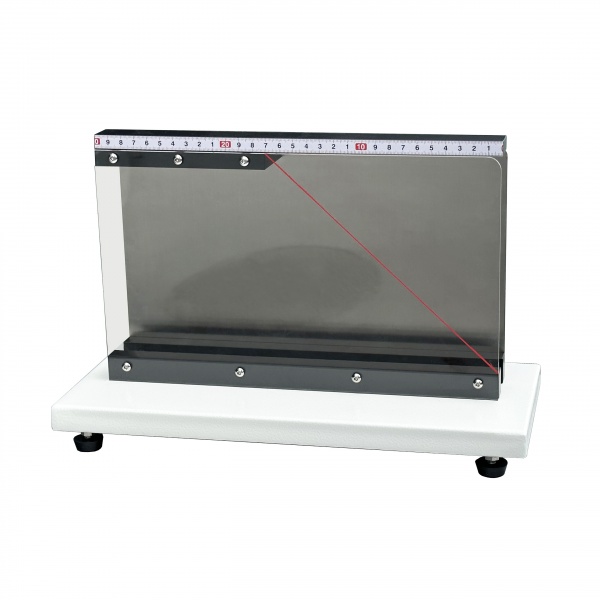
A shrinkage ruler is a calibrated tool designed specifically for measuring fabric shrinkage with precision.
a. How to Use a Shrinkage Ruler
1) Cut the Sample
Prepare a fabric swatch, ensuring it is at least 5 inches square.
2) Wash and Dry
Follow the prescribed washing and drying procedure for the specific test method.
3) Align the Sample
o Place the washed and dried fabric sample flat on a smooth surface.
o Align its edges with the lines on the shrinkage ruler.
4) Read the Shrinkage Percentage
The shrinkage ruler’s calibrated markings directly indicate the percentage of shrinkage, simplifying the measurement process.
b. Advantages of Using a Shrinkage Ruler
1) Accuracy: Unlike regular rulers, shrinkage rulers are pre-shrunk and resistant to environmental influences, such as temperature fluctuations.
2) Consistency: Ensures uniform measurements across multiple tests, reducing human error.
3) Convenience: Eliminates complex calculations by providing direct percentage readings.
9.3.12 Additional Considerations for Shrinkage Testing
a. Factors Influencing Shrinkage
1) Fiber Composition: Natural fibers like cotton are more prone to shrinkage compared to synthetic fibers.
2) Weave Structure: Tight weaves tend to shrink less than loose, open weaves.
3) Production Processes: Treatments during dyeing, finishing, and pre-shrinking significantly impact shrinkage rates.
b. Best Practices for Reliable Testing
1) Perform multiple tests to ensure results are representative of the fabric batch.
2) Standardize washing and drying conditions to minimize variables.
3) Use calibrated tools like shrinkage rulers for precision and repeatability.
Why Choose the ASTRAND Automatic Shrinkage Washer?
The ASTRAND washer represents the pinnacle of precision and reliability in shrinkage testing. Its advanced features and user-friendly design make it a preferred choice for professionals seeking accurate and repeatable results. Whether for quality assurance, research, or compliance with industry standards, this machine provides unparalleled support in maintaining fabric integrity and performance.
By following this guide, you can ensure optimal use of the ASTRAND Automatic Shrinkage Washer, achieving consistent, high-quality results across a wide range of textiles.
10. FAQ:
10.1 Can Fabric Shrinkage Be Reversed?
No, fabric shrinkage is typically permanent. Once fibers contract due to washing, drying, or processing, it is nearly impossible to restore them to their original dimensions. For garments or textiles that have shrunk, stretching or blocking may offer minimal recovery but is not a reliable solution.
10.2 Are All Fabrics Prone to Shrinkage?
Not all fabrics shrink equally. Natural fibers such as cotton, wool, and linen are more prone to shrinkage due to their inherent fiber structure and moisture absorption properties. Synthetic fibers like polyester and nylon, on the other hand, exhibit minimal shrinkage due to their stable polymer structure.
10.3 Can Fabric Shrinkage Be Prevented?
Complete prevention of shrinkage is unrealistic, but it can be significantly minimized by:
1) Following care instructions: Adhering to washing and drying guidelines provided on garment labels.
2) Pre-shrinking techniques: Many manufacturers pre-shrink fabrics to stabilize dimensions before sewing.
3) Gentle washing and drying methods: Using cold water and low-heat drying reduces the likelihood of shrinkage.
10.4 What Is an Acceptable Shrinkage Rate?
The acceptable shrinkage rate varies by fabric type and application. Industry standards often dictate specific tolerances:
1) General fabrics: 3% to 5% is usually acceptable.
2) High-performance textiles: Less than 3%.
3) Delicate fabrics: Standards may vary depending on usage (e.g., underwear or bedding).
Consult project specifications or relevant industry guidelines to determine acceptable rates for specific fabrics.
10.5 Does Fabric Shrinkage Occur in Both Directions?
Yes, shrinkage can occur both lengthwise (warp) and widthwise (weft). However, the extent of shrinkage often differs between the two directions, depending on factors such as fiber composition, weave structure, and processing conditions.
10.6 Does the Drying Method Affect Shrinkage?
Absolutely. The drying method plays a significant role in determining the degree of shrinkage. Here’s a comparison:
1) Drip drying: Causes minimal shrinkage, preserving fabric dimensions.
2) Metal net drying or hang drying: Moderate impact, slightly more shrinkage than drip drying.
3) Tumble drying: The most significant impact due to high heat and mechanical action, causing fibers to contract aggressively.
10.7 How Can Shrinkage Be Controlled During Processing?
To reduce shrinkage during dyeing and finishing processes, consider the following measures:
1) Preshrinking: Enhance weft density to pre-stabilize the fabric and control shrinkage within acceptable standards (3%-4% for most cases).
2) Proper tension management: Avoid excessive tension during weaving, bleaching, and mercerizing processes to prevent elongation and deformation.
3) Relaxed drying techniques: Loose drying minimizes stress on fibers, allowing them to maintain natural dimensions.
4) Specialized finishing treatments: Resin finishing or PU coatings can improve fabric stability and reduce shrinkage risks.
10.8 What Factors Affect Wool Fabric Shrinkage Rates?
Wool shrinkage is influenced by several characteristics:
1) Yarn twist: Higher twist reduces shrinkage by enhancing fiber cohesion.
2) Fabric structure: Tight weaves and well-set fabrics are less prone to shrinkage.
3) Dyeing and finishing: Treatments such as resin finishing and anti-shrinkage processes lower shrinkage rates.
4) Warp and weft tightness:Variations in tightness between directions lead to differential shrinkage.

点击右上角
分享给朋友吧







 Long by picture save/share
0
CONTACT US
 No. 94, Chenwu Section, Guantai Road, Houjie
Town, Dongguan City
 E-mail: sarah@astrand-martindale.com
jack@astrand-martindale.com
 Tel: (+86) 186 8867 2626 Jack
 Tel: (+86) 130 668 20203 Sarah
HOT TAGS
LATEST NEWS
SUBSCRIBE
Please read on, stay posted, subscribe, and we welcome you to tell us what you think.
Copyright © 2022 Dongguan Astrand Electronic Technology Co., Ltd. All Rights Reserved | Log in
Copyright © 2022 Dongguan Astrand Electronic Technology Co., Ltd. All Rights Reserved