 Astrand Electronic
Electronic Fiber Tensile Strength Test Machine (Single Column ) ASTRAND
View more




中文
English


24-Hour Hotline
+86 130 6682 0203 Sarah

E-mail Us
sarah@astrand-martindale.com

Categories
New Products


Comprehensive Guide: Color Fastness to Perspiration Tester in Textiles
Time: 2023-12-12 15:22:00
Author: Sarah
From: Your liking is the energy device that I persist in writing
Click:
Human skin is home to a vast network of millions of sweat glands, especially active in areas like the forehead, neck, and armpits. As a result, clothing worn during summer often faces considerable fading in these specific regions. Sweat, a chemical blend abundant in salt, varies in its acidity or alkalinity due to individual metabolic differences. By using carefully formulated solutions that replicate acidic and alkaline sweat, we can precisely evaluate how well colors withstand stains caused by perspiration.
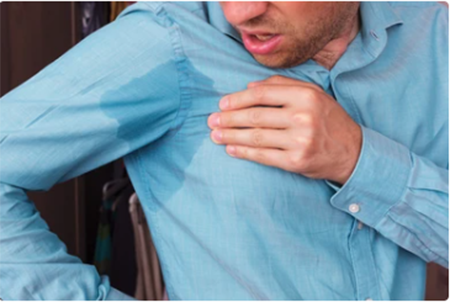
Table of Contents
1、Assessing Color Retention: Perspiration Resistance Test
2、Impacts of Insufficient Perspiration Resistance
3、Adherence to National Testing Standards
4、Aims and Scope
5、Core Principles
6、Necessary Equipment and Materials
- 6.1 Perspiration tester
- 6.2 Acrylic separator plates
- 6.3 Oven
- 6.4 SDC or No 1 Multifiber test fabric
- 6.5 Deionized or distilled water
- 6.6 ISO/BS Grey scale
- 6.7 Color matching cabinet
- 6.8 Electronic scale
- 6.9 Thermometer
- 6.10 Reagents Essential for Perspiration Testing
7、Test Specimen Preparation Procedure
8、Summary of Operational Procedure
9、Crucial Safety Measures
10、Factors Impacting Reduced Color Fastness in Perspiration
11、Effective Strategies for Improving Color Fastness in Perspiration
1、Assessing Color Retention: Perspiration Resistance Test
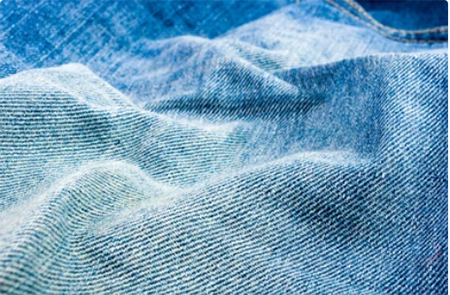
Certainly! The evaluation assesses textile reactions to simulated perspiration, determining their likelihood of discoloration and potential staining of nearby fabrics. It involves subjecting the textiles to specific pressure and temperature conditions within histidine-based solutions.
2、Impacts of Insufficient Perspiration Resistance
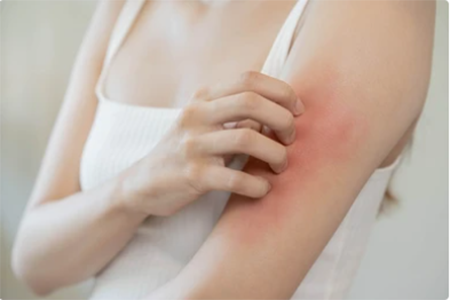
Insufficient resistance to sweat-induced color fading doesn't just compromise garment aesthetics and functionality; it also heightens the risk of heavy metal ion transference from dyed textiles to the skin, posing potential health hazards.
3、Adherence to National Testing Standards
The present national standards for evaluating colorfastness against perspiration adhere to GB/T3922-2013, which is in alignment with the international standard IS0105-E04:1994. Correspondingly, the United Kingdom, Germany, and France conform to BSEN ISO 105-E04:1996, DIN EN ISO 105-E04:1996, NF ENISO105-E04:1996, also equating to IS0105-E04:1994.
4、Aims and Scope
This testing methodology is devised to assess the durability of colored textiles when exposed to acid and alkali perspiration stains. It's designed to be versatile, applicable across various textile fibers, yarns, dyed or printed fabrics, and textile dyes.
5、Core Principles
Colored textile specimens are subjected to simulated acid perspiration solutions to mimic real-world conditions and potential color transfer. This involves wetting the specimens and applying controlled mechanical pressure, followed by gradual drying at slightly elevated temperatures. The evaluation process post-conditioning focuses on assessing color changes within the specimen and potential color transfer to other fibers in proximity.
6、Necessary Equipment and Materials
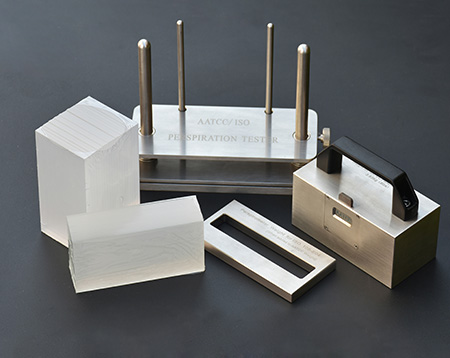
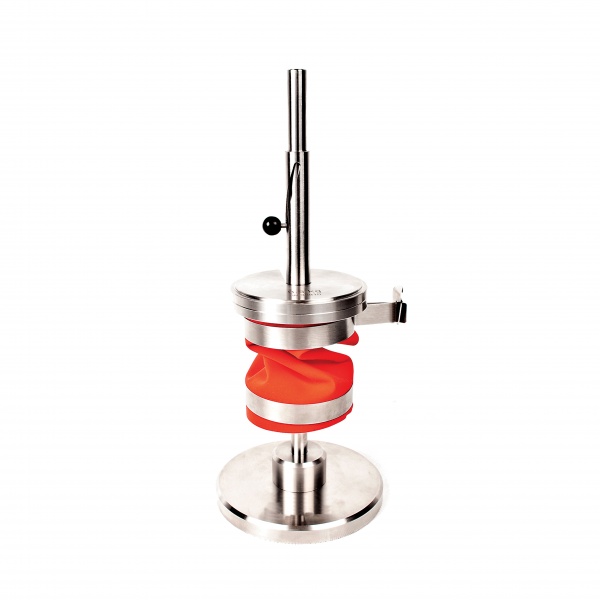
6.1 Perspiration tester
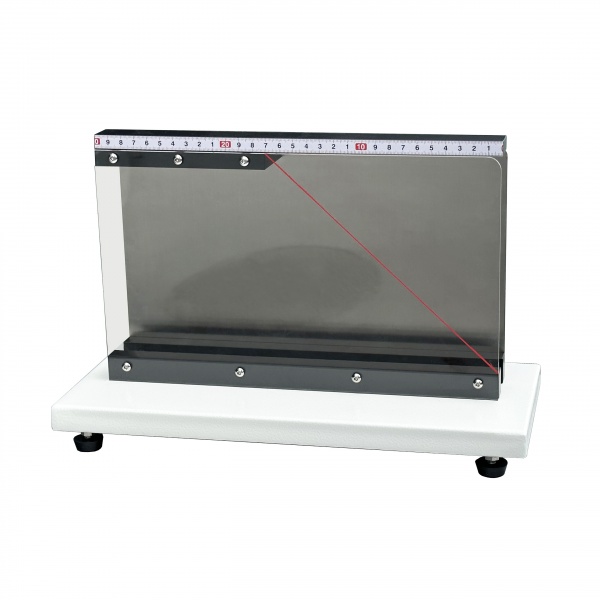
6.2 Acrylic separator plates (21 pieces, dimensions: 60mm * 115mm * 1.5mm)
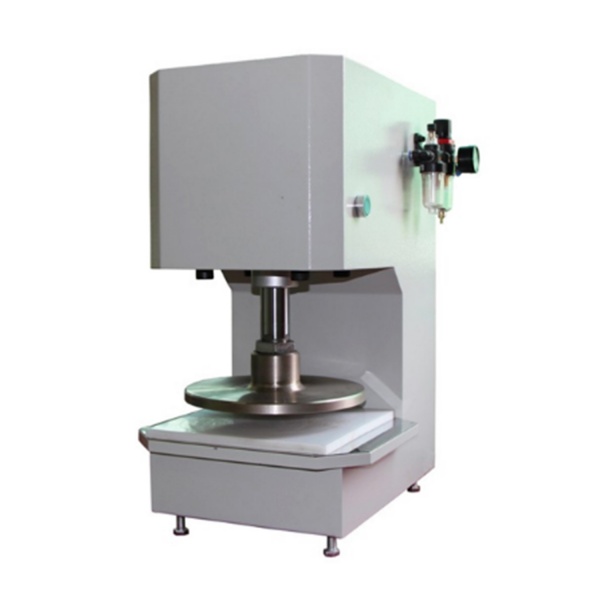
6.3 Oven (maintained at 37±2°C)
6.4 SDC or No 1 Multifiber test fabric
6.5 Deionized or distilled water
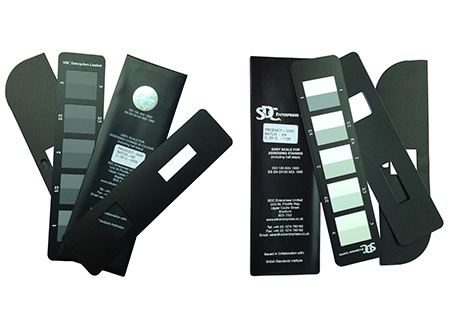
6.6 ISO/BS Grey scale: Comprising two scales, one for color change and the other for color staining
6.7 Color matching cabinet
6.8 Electronic scale
6.9 Thermometer
6.10 Reagents Essential for Perspiration Testing (refer to subsequent table):
| Chemical name | Acid Perspiration test | Alkaline Perspiration test |
| L-Histidine mono-hydrochloride mono-hydrate (C6H9O2N3HCl.H2O) | 0.5 gm | 0.5 gm |
| Sodium Chloride (NaCl) | 5.0 gm | 5.0 gm |
| Disodium hydrogen orthophosphate dehydrate (Na2HPO4.2H2O) | 2.2 gm | 2.5 gm |
| Distilled water | 1000ml | 1000ml |
| PH (Adjust with 0.1N NaOH) | 5.5 | 8.0 |
The reagents utilized to replicate perspiration meticulously combine specific acids and alkalis to emulate the precise acidity and alkalinity (pH value) of human sweat. Their pH balance is stringently controlled to avoid potential deviations caused by prolonged exposure to environmental factors, which could lead to non-compliance with testing standards. Additionally, a key compound in sweat, L-histamine hydrochloride, is exceedingly light and heat-sensitive, predisposed to rapid decomposition. Therefore, these reagents demand immediate preparation and utilization. For optimal soap solubility in grade 3 water, it's advisable to employ a stirrer for consistent dispersion. Given the variation in soaping color fastness among different products, pre-preparation and preheating of the soap solution to the test temperature remain crucial for accurate assessment.

7. Test Specimen Preparation Procedure
7.1. Prepare two identical specimens measuring 10cm×4cm. For multi-colored fabric samples, ensure sufficient specimens to enable contact between all colors and each of the six fiber bands on the adjacent multifiber fabric.
7.2. Secure the identically-sized multifiber fabric onto the test specimens by stitching along one shorter side, ensuring direct contact between the multifiber fabric and the surface of the specimens to form composite test specimens.
8. Summary of Operational Procedure
8.1. Seam the test specimens with the multifiber fabric along one of their shorter edges, creating composite specimens.
8.2. Measure the weight of each composite specimen and calculate the required test solution volume based on a liquor ratio of 1:50 per specimen.
8.3. Immerse one composite sample completely in a solution of pH 8.0, with a liquor ratio of 20:1, for 30 minutes at room temperature. Apply a force of 4.5kg between two 7.5×6.5cm glass plates.
8.4. Repeat the above process for another sample using a solution with pH 5.5.
8.5. Place the setup containing the samples in an oven at 37±2˚C for 4 hours.
8.6. Carefully separate the samples from the white cloth and allow them to air-dry individually, ensuring the temperature remains below 60˚C.
8.7. After drying, assess all specimens for any color change using the gray scale. Evaluate any staining on the adjacent multifiber fabric components, using the same scale for consistency.
| Description of test | Test result | Test result |
| Grade | Grade | |
| Acid | Alkhali | |
| Color change in shade | 4 | 3-4 |
| Staining to acetate | 4 | 3 |
| Staining to cotton | 3 | 4 |
| Staining to polyamide | 4 | 4 |
| Staining to acrylic | 3 | 4 |
| Staining to wool | 4 | 4 |
9. Crucial Safety Measures
9.1. Prepare the stock solution with utmost precision and attention to detail.
9.2. Maintain precise time and temperature conditions consistently throughout the entire procedure.
9.3. Follow appropriate neutralization protocols meticulously and accurately.
10. Factors Impacting Reduced Color Fastness in Perspiration
10.1. Evaluating color fastness to perspiration elucidates the propensity of dyed fabrics to fade or cause staining in contact with artificial sweat (histidine) under varying pressure and temperature scenarios.
10.2. The constituents of artificial sweat predominantly include L-histidine hydrochloride, amino acids, sodium chloride, and additional elements like lactic acid, sodium D-pantothenate, glucose, along with buffer systems. These components maintain distinct pH levels—3.5 or 4.3 for acidic perspiration and 8.0 for alkaline perspiration.
10.3. The ability of dye molecules to withstand exposure to acids and alkalis significantly affects their color fastness against perspiration. Inadequate washing might leave remnants or hydrolyzed dye behind, reducing color fastness when subjected to acidic or alkaline perspiration. Further, residual additives post-washing might destabilize dye stability in such conditions, leading to decreased color fastness.
10.4. While thorough washing helps minimize residual dye and auxiliaries, the inherent acid-base stability of dye molecules might not withstand the effect of acid or alkali perspiration. This necessitates reevaluating and selecting dyes based on their reaction to these conditions.
10.5. Studies reveal that fabrics with sweat and protein fibers tend to experience photoreduction fading, whereas cellulose fibers dyed with reactive dyes are prone to photooxidation fading. The presence of sweat can alter dye photofading reactions, affecting light fastness. Hence, regular testing for color fastness to perspiration and light exposure is advisable.
11. Effective Strategies for Improving Color Fastness in Perspiration
To improve color fastness, consider the following strategies:
11.1. Utilize superior dyes renowned for high fixation rates and exceptional stability. These dyes establish robust covalent bonds with fibers, ensuring optimal dye adhesion.
11.2. Enhance the dyeing process by introducing catalysts or suitable fixing agents to amplify dye reactivity. Reactive dyes with low reactivity might benefit from higher-temperature fixing methods.
11.3. Prioritize thorough pre-processing to eliminate impurities and oil stains, augmenting dye adhesion and penetration into fibers.
11.4. Employ appropriate post-processing techniques, such as soaping and water washing, to eliminate unfixed colors and impurities, thereby improving overall color fastness.
11.5. Experiment with additives designed to shield the dye carrier's structure from the effects of sweat, fortifying fabric color fastness against water, washing, and perspiration.

点击右上角
分享给朋友吧







 Long by picture save/share
0
CONTACT US
 No. 94, Chenwu Section, Guantai Road, Houjie
Town, Dongguan City
 E-mail: sarah@astrand-martindale.com
jack@astrand-martindale.com
 Tel: (+86) 186 8867 2626 Jack
 Tel: (+86) 130 668 20203 Sarah
HOT TAGS
LATEST NEWS
SUBSCRIBE
Please read on, stay posted, subscribe, and we welcome you to tell us what you think.
Copyright © 2022 Dongguan Astrand Electronic Technology Co., Ltd. All Rights Reserved | Log in
Copyright © 2022 Dongguan Astrand Electronic Technology Co., Ltd. All Rights Reserved