 Astrand Electronic
Electronic Fiber Tensile Strength Test Machine (Single Column ) ASTRAND
View more




中文
English


24-Hour Hotline
+86 130 6682 0203 Sarah

E-mail Us
sarah@astrand-martindale.com

Categories
New Products


Selecting an Abrasion and Pilling Tester: Key Considerations
Time: 2023-12-12 16:29:51
Author: Sarah
Click:
The abrasion and pilling tester, commonly acknowledged as the fabric abrasion and pilling tester, serves as a fundamental tool to evaluate the wear resistance, pilling performance, and overall durability of textiles. Within this realm, four distinct pilling instruments stand prominent: the Ici Pilling and Snagging Tester, Random Tumble Pilling Tester, Meet GB Fabric Napping and Pilling Tester, and Martindale Abrasion & Pilling Tester.
This article is dedicated to expounding upon the intricate operational principles that underpin these pilling instruments, elucidating the corresponding standards that govern their evaluation criteria. Moreover, it meticulously examines the varying requisites and specifications emanating from both domestic and international markets, meticulously addressing the nuanced demands posed by different models of pilling instruments.
Table of Contents
一、 Understanding Relevant Terms
- 1. Abrasion
- 2. Fuzzball
- 3. Pilling
二、 Fabric Abrasion and Pilling: Their Impact
三、 Exploring Pilling Methods
- 1. Pilling box method
- 2. Random rolling method
- 3. Circular trajectory method
- 4. Martindale method
四、 Pilling and Pilling Testing Instruments
- 1. XD-B15 Ici Pilling and Snagging Tester
- 2. XD-B14 Random Tumble Pilling Tester
- 3. XD-B17 Meet GB Fabric Napping and Pilling Tester
- 4. XD-B18 Martindale Abrasion & Pilling Tester
五、 How to select Pilling Testing Equipment to Suit Diverse Market Needs
一、Understanding Relevant Terms
Abrasion: The visible alteration of a fabric's surface due to fiber protrusion or elongation, resulting in the formation of plush or rough areas.
Fuzzball: A densely entangled mass of fibers that extends from a fabric's surface. These may form during washing, usage, or other activities, leading to the creation of fuzz and pilling.
Pilling: The excessive accumulation of loose fibers on a fabric's surface, forming tiny balls or clusters.
二、Fabric Abrasion and Pilling: Their Impact
The elemental structure of fabric, composed of yarn, undergoes various mechanical processes such as combing, stretching, and friction during manufacturing. This leads to the emergence of fuzz on the fabric's surface. Continuous exposure to external forces causes these surface fibers or filaments to be pulled out gradually. When the fuzz reaches a specific height and density, further friction compels these fibers to entangle and form protruding balls. Materials with higher rigidity tend to retain these fuzz balls, contributing to the degradation of fabric appearance and wearability. Consequently, fabric pilling becomes a critical criterion in trade dealings, influencing consumer perception and product quality assessment.
三、Exploring Pilling Methods
Pilling Box Method: This method involves placing a sample onto a polyurethane tube, which is flipped freely within a wooden box lined with cork at a consistent speed. The assessment involves visually describing and evaluating the pilling performance after a specific number of flips.
Random Rolling Method: Samples placed inside a test box undergo continuous random friction against the cork lining wall as the impeller rotates. After a designated time, the sample is removed for assessment.
Circular Trajectory Method: Utilizes either nylon brushes and fabric abrasives or solely fabric abrasives to cause friction and fuzz formation on the sample. The pilling and fuzzing are then evaluated under controlled lighting conditions.
Martindale Method: A circular specimen, subjected to pressure, rubs against abrasive material on a grinding table following a specified trajectory. After a defined friction period, the sample's fuzzing and pilling levels are evaluated visually.
四、Pilling and Pilling Testing Instruments
XD-B15 Ici Pilling and Snagging Tester

Standards Compliance:
BS 5811/8479, IWSTM 152, NEXT 19, M&S P18/P18A/P18B/P21A, GB/T 4802.3, BS EN ISO 12945.1
Applicable Range:
This instrument is employed to assess pilling and snagging resulting from regular wear and tear. It features a unique controller with optional standard and variable testing speeds. Additionally, it includes a programmable 30rpm reverse system.
XD-B14 Random Tumble Pilling Tester

Standards Compliance:
ASTM D3512, GB/T 4802.4, ISO 12945.3, JIS L1076-D
Applicable Scope:
Designed for evaluating fabric pilling performance, this tester utilizes 105mm × 105mm samples placed separately in test boxes. Continuous random friction against the cork lining walls under impeller rotation characterizes the test. Compressed air is injected to enhance flipping during testing, with adjustable air pressure.
XD-B17 Meet GB Fabric Napping and Pilling Tester

Standards Compliance:
GB/T 4802.1 JIG 040
Applicable Scope:
This testing instrument is specifically dedicated to assessing the pilling conditions of woolen, synthetic pure cotton, blended, knitted, and woven fabrics. It is instrumental in determining product quality and process effectiveness. The testing method involves fabric rubbing against a nylon brush and abrasive or solely against the abrasive in a controlled moisture state.
XD-B18 Martindale Abrasion&Pilling Tester

Standards Compliance:
ASTM D4970, ISO 12945.2, GB/T 4802.2/13775/21196.1/21196.2, ASTM D4966, ISO 12947, FZ/T 20020, BS 3424-24/5690, ISO 12947.1/12947.2, M&S P17/P19/P19C, NEXT 18/18a/18b, ISO 5470-2, IWTO 40, JIS L1096 8.17.5 Method E, Woolmark TM 112/196, BS EN 388/530/13770, ISO 20344
Applicable Range:
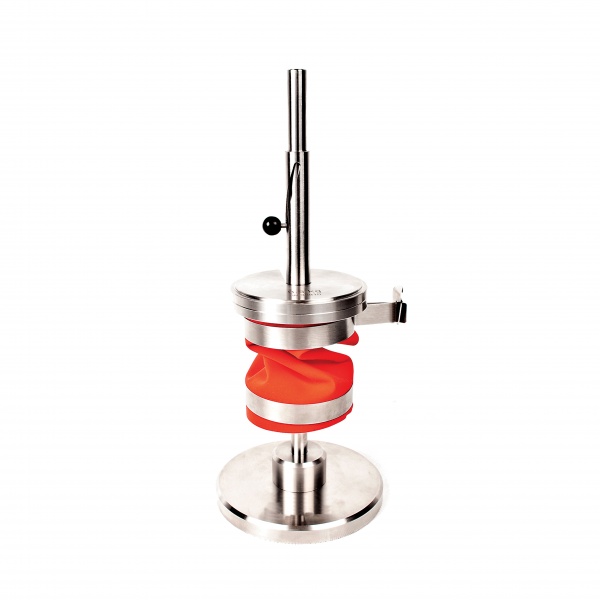
This versatile tester evaluates both the wear resistance and pilling performance of various fabrics. It subjects samples to continuous directional friction with designated abrasives under specific pressure. Features include touch screen control, a comprehensive programmer allowing pre-programming of batches and total counts, and individual test head count settings. It offers a choice of four speeds, including a standard speed option.
五、How to select Pilling Testing Equipment to Suit Diverse Market Needs
The evaluation of fabric pilling stands as a pivotal indicator, especially within garment production, notably for knitted textiles. Its impact transcends mere aesthetics, significantly influencing the comfort experienced by wearers. Consequently, fabric pilling assessment has become a critical requirement across fabric manufacturing, quality control processes, and international trade. However, the array of available testing methods for fabric pilling necessitates a meticulous approach in selecting the appropriate method, particularly concerning distinct market needs.
Through extensive research conducted by Dongguan Astrand Electronic Technology Co., Ltd., the divergence in fabric materials, usage contexts, and export destinations has emphasized the need for tailored fabric pilling testing methods. Among the primary methodologies — random flipping, Martindale wear resistance, rolling box, and circular trajectory — distinct preferences emerge across markets. The European market predominantly leans towards the Martindale and box testing methods. Conversely, the US market showcases a strong affinity for the random rolling method, while the circular trajectory method finds prominence in the Chinese market. Adherence to established standards remains paramount, particularly for methodologies that demand standardized procedures.
Ensuring result consistency and meeting stringent quality standards necessitates the adoption of uniform testing methods and conditions for fabrics intended for similar purposes. This meticulous approach not only ensures result comparability but also upholds the relevance of performance indicators within product standards.
Related Standards:
GB/T4802.3-2008 Textiles - Determination of pilling and pilling properties of fabrics - Part 3: Pilling box method
GB/T 4802.4-2009 Textiles - Determination of pilling and pilling properties of fabrics - Part 4: Random rolling method
GB/T 4802.1-2008 Textiles - Determination of pilling and pilling properties of fabrics - Part 1: Circular trajectory method
GB/T4802.2-2008 Textile Fabric Pilling Test Martindale Method

点击右上角
分享给朋友吧







 Long by picture save/share
0
CONTACT US
 No. 94, Chenwu Section, Guantai Road, Houjie
Town, Dongguan City
 E-mail: sarah@astrand-martindale.com
jack@astrand-martindale.com
 Tel: (+86) 186 8867 2626 Jack
 Tel: (+86) 130 668 20203 Sarah
HOT TAGS
LATEST NEWS
SUBSCRIBE
Please read on, stay posted, subscribe, and we welcome you to tell us what you think.
Copyright © 2022 Dongguan Astrand Electronic Technology Co., Ltd. All Rights Reserved | Log in
Copyright © 2022 Dongguan Astrand Electronic Technology Co., Ltd. All Rights Reserved