 Astrand Electronic
Electronic Fiber Tensile Strength Test Machine (Single Column ) ASTRAND
View more




中文
English


24-Hour Hotline
+86 130 6682 0203 Sarah

E-mail Us
sarah@astrand-martindale.com

Categories
New Products


Introduction Tensile testing machine
Time: 2024-01-04 15:22:17
Author: Sarah
Click:
Introduction Tensile testing machine
A tensile testing machine also known as a tensile tester or universal testing machine, is an instrument used to determine the mechanical properties of materials under tension, compression, flexure, or torsion. This equipment applies controlled tensile or compressive forces to a material sample until it breaks or deforms, allowing for the measurement of various mechanical properties like strength, elasticity, elongation, and stiffness.
The machine typically consists of a load frame, grips or fixtures to hold the specimen securely, and a crosshead that moves to apply tension or compression to the sample. It uses force sensors and displacement measurement devices to accurately record the applied force and deformation during the test.
Tensile testing machines come in various configurations and capacities to accommodate different materials and testing needs. They play a crucial role in quality control, research, and development across industries, including manufacturing, materials science, construction, aerospace, automotive, and more. The data obtained from these tests help assess material performance, verify compliance with industry standards, and guide the design and production of materials and components.
What are the types of tensile testing machine?
Tensile testing machines can be categorized based on their configuration, load capacity, and testing capabilities. Here are some common types:
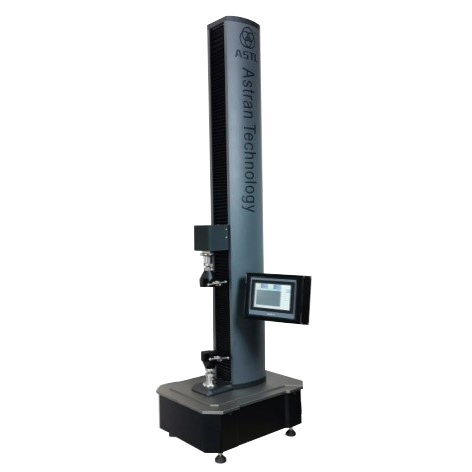
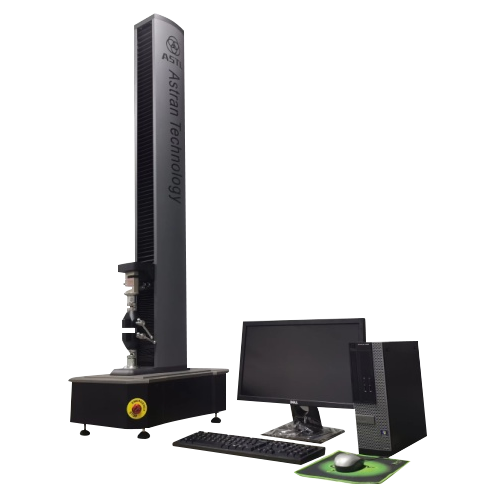
1. Single Column Tensile Tester: These machines have a single vertical column and are suitable for low-force applications, often used for testing smaller specimens or materials with lower strength requirements.
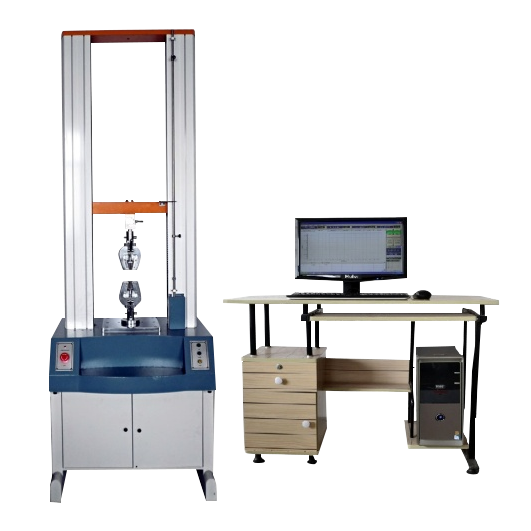
2. Dual Column Tensile Tester: Featuring two vertical columns, these machines offer increased stability and are capable of handling higher loads compared to single-column testers. They are suitable for a wide range of materials and applications.
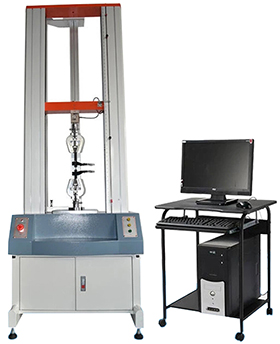
3. Horizontal Tensile Tester: Unlike the vertical models, horizontal tensile testers position the sample horizontally, which can be beneficial for certain materials or applications, especially when testing elongation or larger specimens.
4. Electromechanical Tensile Tester: These machines use an electric motor to apply force to the specimen. They are versatile and allow for precise control over the test parameters.
5. Hydraulic Tensile Tester: Using hydraulic systems to generate force, these machines are suitable for high-load testing, capable of handling heavy-duty materials and applications that require substantial force.
6. Pneumatic Tensile Tester: These testers use compressed air to apply force to the sample. They are often used in applications that require quick and repetitive testing.
7. Universal Testing Machine (UTM): UTM is a versatile machine capable of performing tensile, compression, flexural, and shear tests. They come in various configurations, offering a wide range of testing capabilities.
The choice of a specific type of tensile testing machine depends on the material properties, sample size, load capacity required, testing standards, and the intended application or industry where the testing will be conducted.
What is the purpose of a tensile testing machine?
The primary purpose of a tensile testing machine is to measure and understand how a material responds to stress and strain under various conditions.
The key purposes of a tensile testing machine include:
1. Material Strength Assessment: It helps determine the ultimate tensile strength, yield strength, and elongation of materials. This information is crucial for understanding the material's structural integrity and its suitability for specific applications.
2. Quality Control: Industries use these machines to ensure that manufactured materials or products meet required quality standards and specifications. It helps in identifying any defects or inconsistencies in the material.
3. Material Selection: Engineers and researchers use tensile testing to select suitable materials for different applications based on their mechanical properties. This aids in designing products that can withstand anticipated stresses.
4. Research and Development: Tensile testing is fundamental in researching new materials and understanding their behavior under stress. It assists in developing innovative materials or improving existing ones.
5. Compliance Testing: Many industries have specific standards and regulations regarding material strength and performance. Tensile testing ensures compliance with these standards.
6. Failure Analysis: When materials fail under stress, tensile testing helps identify the cause of failure. It provides insights into material behavior and helps in rectifying design flaws or manufacturing issues.
Overall, the primary purpose of a tensile testing machine is to quantify and understand the mechanical properties of materials, aiding in material selection, quality control, research, and development across various industries like aerospace, automotive, construction, and manufacturing.
How does a tensile testing machine work?
A tensile testing machine operates by subjecting a material specimen to controlled tension until it breaks or reaches a specific deformation point. Here's an overview of how it works:
1. Sample Preparation: The material to be tested is prepared as a specimen of a specific size and shape according to relevant testing standards.
2. Mounting the Specimen: The specimen is mounted between two clamps or grips within the testing machine. One grip holds the stationary end of the material, while the other grip is connected to a movable crosshead.
3. Application of Force: The machine slowly applies tension or a pulling force to the specimen, usually at a controlled rate. This rate can be constant or varied based on the testing requirements.
4. Data Collection: During the test, the machine continuously measures and records the force applied and the corresponding deformation or extension of the specimen. This data is usually plotted on a graph to create a stress-strain curve.
5. Analysis of Results: The stress-strain curve helps determine various mechanical properties of the material, such as tensile strength, yield strength, modulus of elasticity, elongation, and more.
6. Failure Point: Eventually, the material reaches its breaking point or a specific deformation point, leading to fracture or failure. The machine captures this moment, and the test concludes.
7. Data Interpretation: Engineers and researchers analyze the data collected during the test to understand the material's behavior under tension and to assess its suitability for specific applications.
Tensile testing machines come in various types and sizes, catering to different materials and force requirements. They play a critical role in evaluating the mechanical properties of materials and ensuring their performance in real-world applications.
The application of tensile testing machine in industry?
The tensile testing machine finds extensive applications across various industries due to its ability to assess the mechanical properties of materials. Here are some key industrial applications:
1. Manufacturing and Production: It's used to test the strength and quality of materials used in manufacturing processes. For instance, in automotive manufacturing, it helps assess the strength of metals used in vehicle components.
2. Construction and Infrastructure: Tensile testing ensures the reliability of construction materials like steel, concrete, and alloys, ensuring they meet safety and structural standards.
3. Aerospace and Defense: In these sectors, materials undergo rigorous testing to ensure they can withstand extreme conditions, such as high temperatures, pressure, and stress.
4. Textiles and Fabrics: Tensile testing assesses the strength, elongation, and durability of fabrics used in clothing, furniture, and other textile-based products.
5. Biomedical and Healthcare: It's used to test the mechanical properties of biomaterials, implants, and medical devices to ensure they're safe and meet performance standards.
6. Research and Development: In R&D labs, the machine helps in developing new materials and understanding material behavior under different conditions.
7. Quality Control: It's an essential tool in quality assurance, ensuring that raw materials, intermediate products, and finished goods meet specified standards and perform as expected.
8. Education and Training: Tensile testing machines are used in educational institutions to teach students about material properties and testing methodologies.
Overall, the machine plays a crucial role in ensuring the safety, reliability, and quality of materials used in a wide array of industries, contributing to product innovation, quality improvement, and safety assurance.
How tensile testing machines can help businesses?
Tensile testing machines offer several benefits to businesses across various industries:
1. Quality Assurance: They ensure that materials and products meet specified standards by testing their strength, durability, and other mechanical properties. This helps in maintaining consistent quality and reliability.
2. Product Development: These machines aid in developing new materials and improving existing ones by understanding their behavior under different conditions. It allows businesses to innovate and create better products.
3. Cost Reduction: By identifying weaknesses or flaws in materials early in the production process, businesses can prevent costly failures or recalls later on, thus saving money.
4. Compliance and Safety: Tensile testing helps ensure that products comply with industry standards and regulations. This is especially crucial in industries like aerospace, automotive, and healthcare, where safety is paramount.
5. Customer Confidence: Providing products with verified and tested quality can build trust and confidence among customers, enhancing the reputation and credibility of the business.
6. Process Improvement: By analyzing test results, businesses can optimize manufacturing processes, select better materials, or adjust product designs to improve overall efficiency.
7. Training and Education: These machines are used in educational institutions to train students on material properties and testing methodologies, ensuring a skilled workforce in various industries.
In essence, tensile testing machines are indispensable tools that help businesses maintain quality, safety, and compliance while also supporting innovation and continuous improvement in product development.
Is there any risk or security issue with the tensile testing machine?
Tensile testing machines are generally safe to use when operated correctly and maintained properly. However, as with any machinery, there are some potential risks and safety considerations:
1. Mechanical Hazards: The moving parts of the machine, including grips and fixtures, can pose a risk of pinching, crushing, or entanglement. Users should follow safety protocols and avoid placing hands or body parts near moving components during operation.
2. High Force and Fracture Risks: Tensile testing machines apply significant force to materials until they fracture. Failure of the material being tested might result in fragments or debris being ejected. Safety barriers and personal protective equipment (PPE) like safety glasses should be used to mitigate these risks.
3. Electrical Hazards: Some tensile testing machines might have electrical components. Ensure proper grounding, inspect cables for damage, and avoid contact with live wires to prevent electrical hazards.
4. Sample Precautions: Samples undergoing testing might fail unexpectedly, potentially causing injury. Ensure proper preparation and secure mounting of test samples to prevent sudden dislodging during testing.
5. Machine Maintenance: Poorly maintained machines might have increased risks of malfunction or failure during operation. Regular inspection, calibration, and maintenance of the machine are essential to minimize risks.
6. Operator Error: Improper use or incorrect setup by operators can lead to accidents. Adequate training, clear operational guidelines, and supervision can reduce the likelihood of errors.
Adhering to safety guidelines, providing proper training to operators, performing routine maintenance, and following recommended procedures for handling materials can significantly reduce the risks associated with tensile testing machines.
What is the price of a tensile testing machine?
The price of a tensile testing machine can vary widely based on several factors, including the type of machine, its capacity, features, brand reputation, and additional accessories. Here are some general guidelines:
1. Low-End Models: Basic, benchtop tensile testing machines with lower capacity and fewer features can start at a few thousand dollars.
2. Mid-Range Models: Tensile testing machines with moderate capacity, additional features, and improved accuracy may range from $5,000 to $20,000.
3. High-End Models: Advanced, high-capacity tensile testing machines equipped with sophisticated features and automation capabilities can cost upwards of $20,000 to several hundred thousand dollars.
4. Specialized Applications: Machines designed for specialized testing applications or industries may have higher price tags, depending on their complexity and unique features.
It's important to consider your specific testing requirements, the capacity needed, and any specialized features relevant to your applications when selecting a tensile testing machine. The specific price shall be based on the actual quotation from the supplier.

点击右上角
分享给朋友吧







 Long by picture save/share
0
CONTACT US
 No. 94, Chenwu Section, Guantai Road, Houjie
Town, Dongguan City
 E-mail: sarah@astrand-martindale.com
jack@astrand-martindale.com
 Tel: (+86) 186 8867 2626 Jack
 Tel: (+86) 130 668 20203 Sarah
HOT TAGS
LATEST NEWS
SUBSCRIBE
Please read on, stay posted, subscribe, and we welcome you to tell us what you think.
Copyright © 2022 Dongguan Astrand Electronic Technology Co., Ltd. All Rights Reserved | Log in
Copyright © 2022 Dongguan Astrand Electronic Technology Co., Ltd. All Rights Reserved