 Astrand Electronic
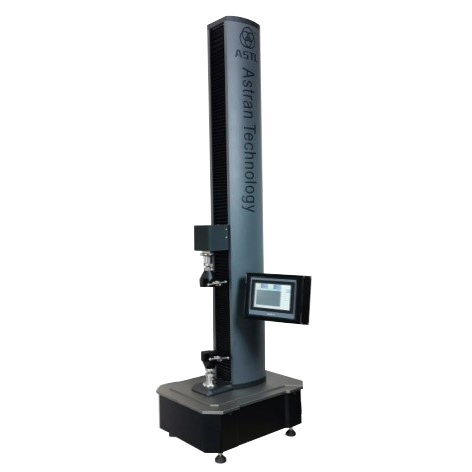
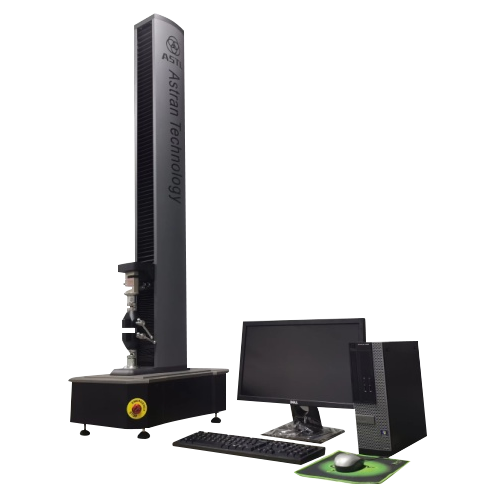
Electronic Fiber Tensile Strength Test Machine (Single Column ) ASTRAND
View more




中文
English


24-Hour Hotline
+86 130 6682 0203 Sarah

E-mail Us
sarah@astrand-martindale.com

Categories
New Products


Definition and Overview of Martindale Abrasion Test
Time: 2024-10-25 14:18:12
Author: Sarah
From: Dongguan Astrand Electronic Technology Co.,Ltd
Click:
1. Introduction
The Martindale Abrasion Test is a standardized test method used to evaluate the abrasion resistance and pilling resistance of fabrics. These properties are important indicators for judging the quality of textiles and are directly related to their durability and performance. Abrasion resistance refers to the ability of a fabric to resist wear during repeated friction, while pilling resistance refers to the ability of small ball-like fiber aggregation formed on the surface of the fabric during use. By using the Martindale Abrasion Tester, these properties of fabrics can be systematically tested to provide scientific and reliable basis for manufacturers and consumers.
In the modern textile industry, as consumers' requirements for product quality continue to increase, the importance of abrasion resistance and pilling resistance testing has become increasingly prominent. The Martindale test not only provides quantitative data support for the performance of fabrics, but also provides a scientific basis for the formulation and implementation of industry standards. This test method simulates the actual use conditions of fabrics to help manufacturers understand the performance of their products in daily life and make corresponding adjustments in the design and production process.
2. Overview of Martindale Abrasion Test Standards
Martindale Abrasion Resistance and Pilling Resistance Tests are widely used around the world, and each region regulates them according to its specific standards. The following will introduce the international standards, American standards, European standards and Chinese standards in detail.
2.1 International standards
ISO 12947-2:1998: This standard specifies the second part of the test for abrasion resistance and pilling resistance of fabrics under the Martindale method, which involves the determination of specimen fracture. This part details the preparation of specimens, the requirements for test equipment and the way to record results to ensure the standardization and repeatability of the test process.
ISO 12947-3:1998: This standard involves the mass loss of samples during the test. By quantitatively analyzing the mass change of samples during the friction process, a more accurate abrasion resistance evaluation is provided, emphasizing the reliability of the test results.
ISO 12947-4:1998: This standard mainly determines the changes in the appearance of samples during the friction process, including the evaluation of pilling and color difference, and provides a detailed measurement basis for the appearance quality of fabrics.
2.2 American Standards (ASTM)
ASTM D4966-2010: This standard provides the Martindale test method for fabric abrasion resistance, which is suitable for the abrasion resistance evaluation of various fabrics. This standard details the specific steps and equipment requirements of the test, ensures the consistency and scientificity of the test results, and provides guidance for industry practice.
2.3 EU Standards
EN ISO 12947-2:1998: Same as ISO 12947-2, it focuses on the determination of specimen fracture and has become an important basis for widespread application in the European market.
EN ISO 12947-3:1998: Also corresponding to ISO 12947-3, it focuses on the determination of mass loss and provides a detailed analysis method for the wear resistance of fabrics to ensure the accuracy of test results.
EN ISO 12947-4:1998: The test method for determining the change in fabric appearance is consistent with the ISO standard and provides a comprehensive assessment of the appearance quality of fabrics.
2.4 Chinese Standards
GB/T 21196.2-2007: Corresponding to ISO 12947-2, it is suitable for fabric abrasion resistance and anti-pilling testing, and has become an important standard in the Chinese market, providing a reference for quality control in the industry.
GB/T 21196.3-2007: Same as ISO 12947-3, it focuses on the determination of mass loss, provides data support for China's textile industry, and ensures the market competitiveness of products.
GB/T 21196.4-2007: Also consistent with ISO 12947-4, it mainly tests appearance changes, provides a basis for products with high requirements for beauty and functionality in the market, and helps manufacturers optimize product design.
3. Working principle of Martindale abrasion test
The core principle of Martindale test is to evaluate the abrasion resistance and pilling resistance of fabrics through cyclic friction. During the test, specific equipment (such as Martindale Abrasion and Tensile Tester XD-B18) fixes the fabric on the lower plate and applies abrasives to its surface to simulate the wear behavior in actual use. This process ensures the scientificity and accuracy of the test results through standardized friction methods.
3.1 Test steps
3.1.1 Sample preparation:
Cut the fabric to be tested into a specified size, usually 20 cm × 20 cm.
The samples are processed in an environment with controlled relative humidity and temperature to ensure consistent conditions and eliminate external factors from interfering with the test results.
3.1.2 Loading abrasives:
Use specified abrasive materials, such as fine wool or small discs of wire mesh, to ensure that the abrasive meets the standard requirements to simulate the wear conditions in real use.
3.1.3 Friction test:
The friction test is carried out in the equipment, and the wear of the fabric is monitored in real time until the sample breaks or there is a significant change in appearance, so as to fully evaluate the wear resistance of the fabric.
3.2 Important tips
Before each test, or when the number of frictions reaches 50,000 times, the standard abrasive cloth must be replaced to ensure the accuracy of the test and prevent abrasive fatigue from distorting the test results.
The test is not applicable to fabrics with a thickness of more than 3 mm to ensure the validity and applicability of the test.
The samples can be washed or dry-cleaned before the test to ensure data consistency, thereby improving the credibility of the test results.
4. Evaluation methods and applicability
There are three main evaluation methods for the Martindale test, which analyze different wear performances to help manufacturers and consumers understand fabric performance more comprehensively.
4.1 Sample fracture method
Abrasion resistance is measured by testing the fracture point of the sample. This method is intuitive and suitable for quickly evaluating the wear resistance of different fabrics. The advantages of this method are that it is simple to operate, easy to understand, and can quickly obtain results. The number of frictions at the fracture point is usually used as a direct indicator of wear resistance, providing a scientific basis for production and design.
4.2 Mass loss method
Measure the reduction in mass of the sample during the test. This method is suitable for in-depth analysis of the durability of fabrics at different friction stages. By accurately weighing the mass before and after the test, a more accurate evaluation of wear resistance can be obtained. This method can reflect the performance changes of fabrics in long-term use, and is especially suitable for studying the performance of different fabrics under different conditions, providing guidance for material selection.
4.3 Appearance change method
Observe the pilling, wear and other phenomena on the surface of the fabric after friction, which is suitable for application scenarios with high requirements for the appearance of the fabric. This method usually combines visual evaluation and quantitative analysis to more comprehensively understand the performance of the fabric. Through photographic records and image analysis, the appearance changes of the fabric can be systematically evaluated to help manufacturers optimize material selection and improve the market competitiveness of products.
Among the three methods, the specimen fracture method is widely used in production and research because of its small error and easy-to-understand results, providing a reliable basis for material selection in the industry.
5. Interpretation of Martindale test results
The Martindale test results are usually expressed as the number of frictions (cycles) completed by the fabric. The higher the number of cycles, the stronger the wear resistance of the fabric. According to the different friction times, the uses of the fabric can be roughly classified as follows:
Less than 1000 frictions: suitable for decorative purposes, such as cushions or decorative fabrics, with low wear resistance and not suitable for daily use.
10000-15000 frictions: suitable for occasional furniture, such as lightly used home fabrics, suitable for occasions with infrequent contact.
25000-30000 frictions: can be used for heavily used furniture, suitable for frequent daily use, such as home sofas.
More than 30000 frictions: very suitable for furniture in commercial and public places, able to withstand high-intensity use and meet commercial needs.
More than 50,000 frictions: Despite the high number of cycles, other factors (such as cleaning methods, UV exposure, etc.) that affect the durability of the fabric need to be considered in actual use to ensure performance during long-term use.
Through the above classification, manufacturers and consumers can choose the right fabric according to their needs, thereby improving the user experience and product satisfaction and ensuring the long-term use of the product.
6. Practical application case analysis
In order to have a deeper understanding of the practical application of the Martindale abrasion test, several typical cases are listed below to show the importance of this test in various industries.
6.1 Furniture industry
In the furniture industry, the Martindale abrasion test is widely used to evaluate the fabrics of sofas, chairs and other soft furnishings. Through testing, the wear resistance of different types of fabrics (such as leather, suede, synthetic fibers, etc.) can be quantified, thereby helping consumers and manufacturers choose the right materials. For example, a high-strength synthetic fiber may be rubbed 30,000 times without obvious damage, which is suitable for furniture with heavy use. However, a cotton fabric may pill after 15,000 frictions, so it is more suitable for light use.
6.2 Apparel Industry
In the apparel industry, especially sportswear and workwear, wear resistance directly affects the product's service life and consumer satisfaction. Through the Martindale test, brands can screen out fabrics with strong wear resistance and reduce the return rate. For example, after a brand selected a new synthetic fiber, the result obtained through the Martindale test was 50,000 frictions without obvious damage, which significantly improved the market competitiveness of the product. 6.3 Automobile Industry
In the fabric selection of car seats, wear resistance is also a key indicator. Car interior fabrics have been tested by Martindale and can maintain good appearance and performance under intense use conditions. A car manufacturer has significantly improved the market evaluation and user satisfaction of its models by introducing synthetic fabrics with high wear resistance.
7 Factors affecting the results of Martindale wear test
7.1 Material composition of fabrics
The material of the fabric is an important factor in determining its wear resistance. Different types of fibers have different physical properties and chemical structures, which directly affect their wear resistance.
7.1-1 Fiber Types
Natural fibers, such as cotton, wool, and silk, are comfortable but relatively easy to wear and generally have poor wear resistance. The curl of fibers such as wool makes them prone to hairiness and wear during friction.
Synthetic fibers, such as polyester and nylon, generally have higher wear resistance. Their smooth surface and strong strength make them perform better in friction and can withstand wear for a longer period of time.
7.1-2 Fiber Structure
The textile structure of the fiber also affects wear resistance. Tight fabric structures, such as plain or twill, are generally more wear-resistant than loose knits because the tight arrangement reduces the friction and tearing risk of the fibers.
7.2 Surface Treatment of Fabrics
The surface treatment process of fabrics directly affects their wear resistance. Common treatment methods include physical treatment and chemical treatment.
7.2.1 Physical Treatment
Such as heat setting and stretching treatment, these treatments can enhance the stability of the fiber and reduce the wear caused by friction. For example, heat-treated fabrics generally show better shape retention and can effectively resist wear.
7.2.2 Chemical Treatments
Certain chemical treatments, such as tear and abrasion resistant finishes, can significantly improve the wear resistance of fabrics. Such treatments usually form a protective film on the fabric surface, reducing friction losses.
7.3. Fabric Thickness and Density
Fabric thickness and density are also important physical properties that affect the results of abrasion tests.
7.3.1 Fabric Thickness
In general, thicker fabrics usually have higher abrasion resistance because they provide better structural support to resist the effects of friction. Thin fabrics are more susceptible to damage from friction.
7.3.2 Fabric Density
The density of a fabric, or the number of fibers per unit area, also affects its abrasion resistance. Denser fabrics usually provide better protection from friction and reduce the occurrence of wear.
7.4. Friction Conditions
Friction conditions are critical factors in the test process, including friction pressure, friction speed, and friction time.
7.4.1 Friction Pressure
The greater the friction pressure applied, the greater the degree of wear on the fabric surface. Therefore, the friction pressure needs to be strictly controlled during the test to ensure the reliability of the test results.
7.4.2 Friction speed
The friction speed affects the generation of friction heat. Too fast a speed may cause the fabric surface to overheat, thereby aggravating the wear phenomenon. The appropriate friction speed should be within the standard range to ensure the effectiveness of the test.
7.4.3 Friction time
The length of the friction time is directly related to the degree of fiber wear. Too long a friction time will cause the sample to be more damaged during the friction process, thus affecting the wear resistance test results.
7.5. Environmental factors
Environmental conditions also have an important impact on the wear resistance test results, mainly including temperature and humidity.
7.5.1 Temperature
Higher temperatures may cause changes in the physical properties of the fiber and reduce its wear resistance. During the test, the temperature should be kept within the specified range to ensure the consistency of the test.
7.5.2 Humidity
An environment with high humidity will affect the hygroscopicity of the fabric, thereby changing its friction behavior. Too high or too low humidity may have an adverse effect on the test results.
7.6. Use and maintenance of fabrics
The performance of the fabric in actual use will also affect its wear resistance, mainly including the frequency of use and the way of cleaning.
7.6.1 Frequency of use
The higher the frequency of use, the more times the fabric will experience wear and tear, and the greater the possibility of a decrease in wear resistance. Therefore, understanding the expected use of the fabric is crucial to evaluating its wear resistance.
7.6.2 Cleaning method
The cleaning method also has a significant impact on the wear resistance of the fabric. Strong cleaning methods may accelerate the wear of the fabric, so it is recommended to use mild detergents and appropriate cleaning procedures to extend the service life of the fabric.
Conclusion
In summary, the factors that affect the results of the Martindale wear test include the material composition, surface treatment, thickness and density of the fabric, friction conditions, environmental factors, and the use and maintenance of the fabric. Understanding these factors not only helps manufacturers make more informed decisions on material selection and product design, but also provides an important reference for consumers in purchasing and maintaining fabrics. By optimizing each link, the wear resistance of the fabric can be effectively improved, its service life can be extended, and the user experience can be enhanced.
8. Data processing of Martindale abrasion test
The effectiveness of Martindale abrasion test depends not only on the standardization of the test process, but also on the reasonable processing and analysis of the test data. The data processing stage involves multiple links from data collection, statistical analysis to result interpretation. The following is a detailed discussion of Martindale abrasion test data processing.
8.1. Data collection
8.1.1 Test process records
When conducting Martindale abrasion test, the test conditions of each sample need to be recorded in detail, including:
Fabric type
Test environment (temperature, humidity)
Friction pressure and speed
Type of abrasive used
Specifications and processing methods of test samples
These data provide the basis for subsequent analysis.
8.1.2 Test result recording
The test results are usually recorded as the number of frictions (cycles) completed by the fabric, and may include other performance indicators, such as:
Number of breaks
Mass loss
Appearance changes (such as pilling, wear)
8.2. Data processing and analysis
8.2.1 Statistical analysis
The common methods for statistical analysis of test results include:
Mean calculation: Calculate the average number of frictions of different samples to understand the overall wear resistance.
Standard deviation: Assess the degree of dispersion of data to understand the consistency of test results.
Significance test: Use methods such as t-test or ANOVA to compare the wear resistance differences between different fabrics or treatments.
8.2.2 Data visualization
Use charts and graphs to display test results. Common methods include:
Bar chart: Display the number of frictions of different samples for easy comparison.
Line chart: Show the trend of wear resistance changes of a certain fabric under different conditions.
Scatter plot: Analyze the relationship between the number of frictions and other variables (such as fabric thickness, density, etc.). 8.3. Interpretation of results
8.3.1 Classification and standards
Classify the wear resistance of fabrics according to the number of frictions to guide practical applications:
Low wear resistance: less than 1,000 times, suitable for decorative purposes.
Medium wear resistance: 10,000-30,000 times, suitable for home and light use.
High wear resistance: more than 30,000 times, suitable for heavy use and commercial use.
8.3.2 Analysis of influencing factors
Combining the test results and background data, analyze the key factors affecting wear resistance to help improve materials and production processes. For example, if a fabric shows significant wear under high humidity, the impact of humidity can be considered in product design.
8.4. Report writing
8.4.1 Test report structure
The following should be included when writing a test report:
Test purpose and background
Test methods and conditions
Data collection and processing methods
Result analysis and interpretation
Conclusions and recommendations
8.4.2 Application of results
The report should provide recommendations to help manufacturers make more informed decisions on material selection, product design and market positioning.
Data processing of the Martindale abrasion test is a key link to ensure the validity and reliability of the test results. Through standardized data collection, scientific statistical analysis and clear interpretation of results, manufacturers and researchers can deeply understand the abrasion resistance of fabrics, thereby optimizing material selection and production processes, and improving product quality and market competitiveness.
9. Conclusion
The Martindale abrasion test not only provides intuitive data support for the abrasion resistance of fabrics, but also provides a scientific basis for manufacturers and consumers when selecting materials. Through the test of the Martindale Abrasion Tester XD-B18, companies can more accurately evaluate the use scenarios and durability of fabrics, thereby improving the quality and practicality of products.
10. In-depth research and future development
With the development of science and technology, the Martindale abrasion test is also evolving. In the future, more advanced detection technologies, such as image recognition and big data analysis, may be introduced to improve the accuracy and efficiency of the test. At the same time, research on the environmental friendliness and sustainability of fabrics will also become a focus of attention, providing a new direction for the sustainable development of the fabric industry.
11. References
ISO 12947 series standard documents
ASTM D4966 standard documents
EN ISO 12947 standard documents
GB/T 21196 series standard documents
Related scientific research papers and industry reports

点击右上角
分享给朋友吧







 Long by picture save/share
0
Prev : Definition and Overview of Martindale Pilling Test
Next : Analysis of common questions about Martindale abrasion and pilling tester
Your liking is the energy source that I persist in writing
YouArticle
已有0人推荐
CONTACT US
 No. 94, Chenwu Section, Guantai Road, Houjie
Town, Dongguan City
 E-mail: sarah@astrand-martindale.com
jack@astrand-martindale.com
 Tel: (+86) 186 8867 2626 Jack
 Tel: (+86) 130 668 20203 Sarah
HOT TAGS
LATEST NEWS
SUBSCRIBE
Please read on, stay posted, subscribe, and we welcome you to tell us what you think.
Copyright © 2022 Dongguan Astrand Electronic Technology Co., Ltd. All Rights Reserved | Log in
Copyright © 2022 Dongguan Astrand Electronic Technology Co., Ltd. All Rights Reserved