 Astrand Electronic
Electronic Fiber Tensile Strength Test Machine (Single Column ) ASTRAND
View more




中文
English


24-Hour Hotline
+86 130 6682 0203 Sarah

E-mail Us
sarah@astrand-martindale.com

Categories
New Products
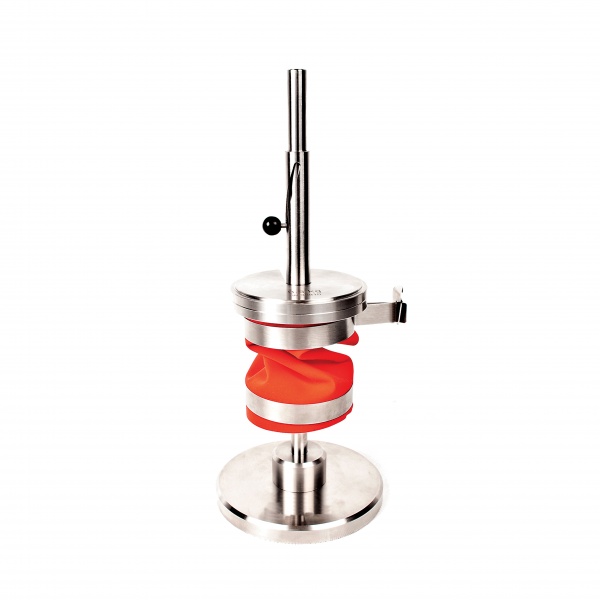

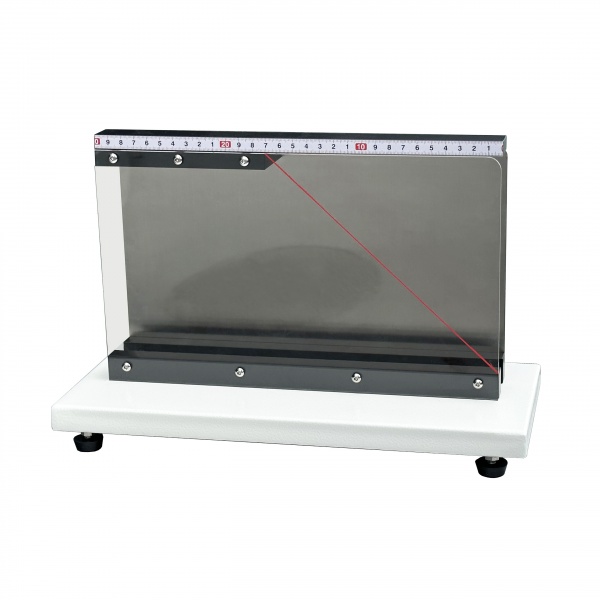

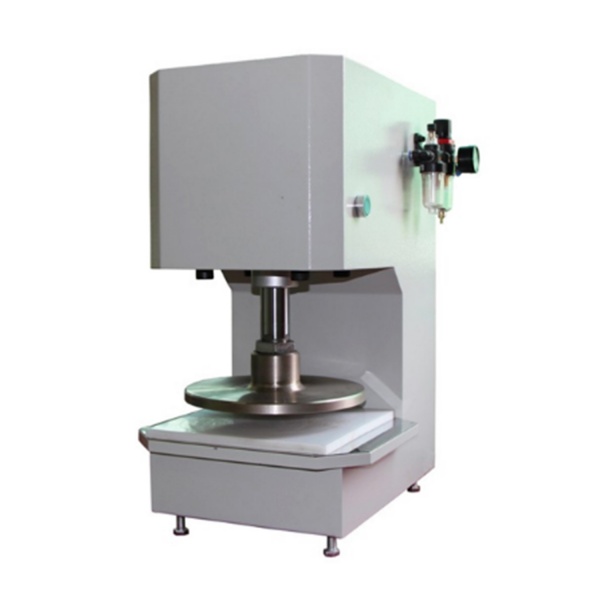
In-Depth Analysis of Tear Strength Testing in Textiles
Time: 2025-07-25 16:55:19
Author: Sarah
From: Dongguan Astrand Electronic Technology Co.,Ltd
Click:
In-Depth Analysis of Tear Strength Testing in Textiles: Mechanisms, Methods, Standards, and Influencing Factors
1. Introduction
Tear strength is a critical property in evaluating textile durability, particularly in applications where materials are subjected to sudden or repeated mechanical stress. From workwear and military fabrics to tents, airbags, and upholstery, tear resistance plays a pivotal role in ensuring safety and product longevity. While tensile strength indicates how much force a fabric can take before rupturing, tear strength focuses on the fabric’s resistance to the propagation of an existing cut or damage. Understanding the mechanics and influencing factors of tear strength is essential for researchers, quality control professionals, and textile engineers.
This article provides a deep technical review of the tear strength testing methods, international standards, underlying mechanical principles, and the numerous structural and material variables that impact tear strength in woven and nonwoven textiles.
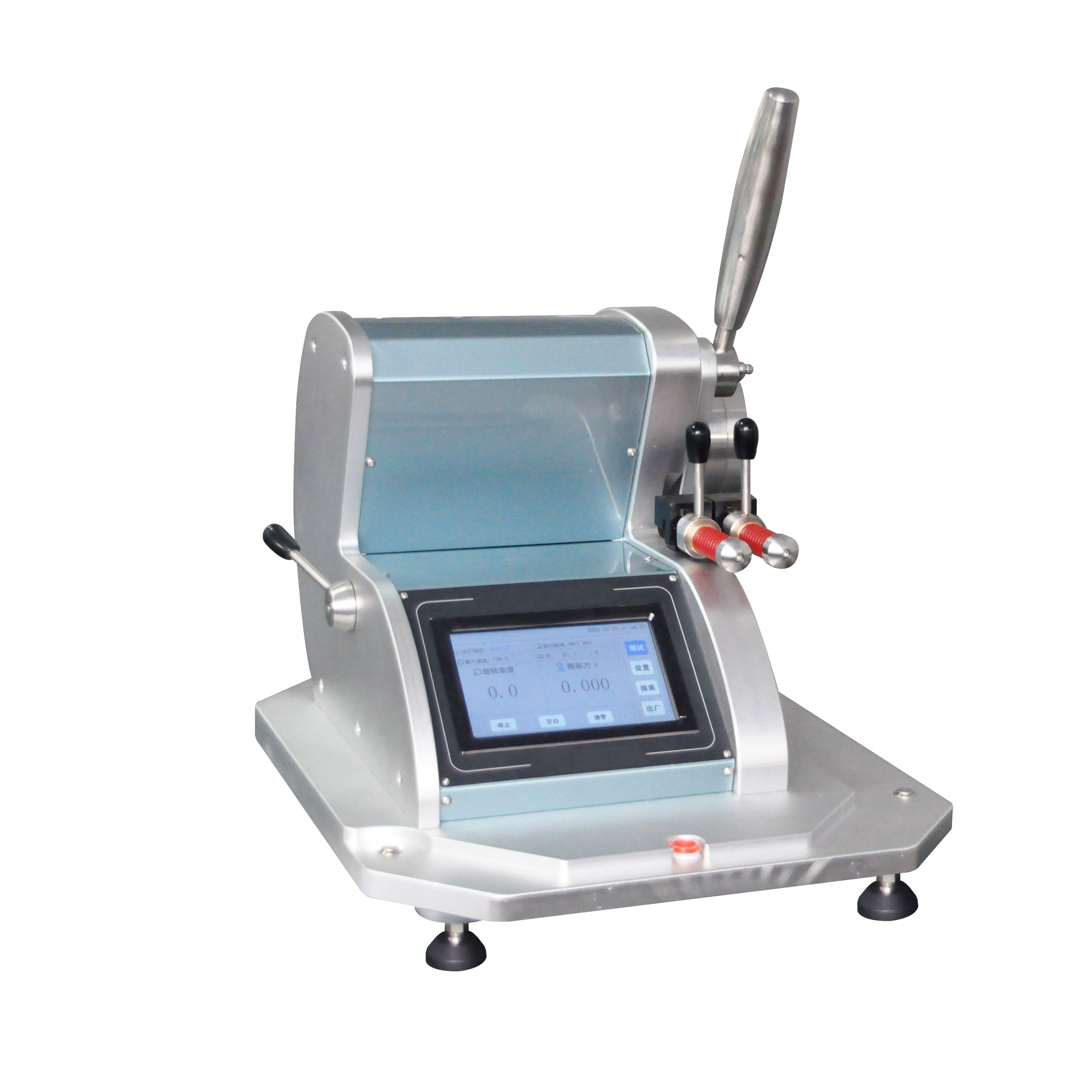
2. Fundamental Concept of Tear Strength
Tear strength refers to the resistance a fabric offers to the progression of a tear once it has already been initiated. Unlike tensile strength, which assesses fabric integrity under a uniform load, tear strength simulates real-world conditions where fabrics are snagged or cut, and the load is concentrated at a specific point, such as a seam or hole.
A tear typically propagates through a sequential breakdown of yarns, driven by force concentration in a localized area. This behavior varies depending on the fabric’s structure, yarn type, and testing conditions. A higher tear strength indicates better performance under rugged or emergency-use scenarios.
3. Overview of Tear Strength Test Methods
Tear strength is measured through several standardized methods, each designed to simulate different stress and damage conditions. These include:
A. Pendulum (Elmendorf) Method
- Principle: Measures the force required to propagate a tear using a falling pendulum.
- Key Standards:
- Use Case: Rapid assessment for light to medium-weight woven fabrics.
B. Pant (Tongue) Method
- Divided into:
- Single Tongue Method:
- Standards: GB/T 3917.2, ISO 13937-2, ASTM D2261, JIS 1096 8.17.1
- Standards: GB/T 3917.2, ISO 13937-2, ASTM D2261, JIS 1096 8.17.1
- Double Tongue Method:
- Principle: Measures tear force as the separated tongues of the specimen are pulled apart.
- Use Case: Fabrics prone to multidirectional stress.
C. Trapezoidal Method
- Key Standards:
- GB/T 3917.3-2009
- ISO 9073.4
- ASTM D5587, D5733
- JIS 1096 8.17.3 C Method
- Use Case: Nonwoven fabrics or materials with random fiber orientations.
D. Wing (Single Seam) Method
- Principle: A variation of the tongue method but with a different geometry, causing a unique distribution of tearing stress.
- Key Standards:
- Use Case: Light woven fabrics, especially for comparing structure-related tear variations.
4. Tear Strength Data Collection: Standardized Requirements
Each test method has its own approach to data acquisition. The treatment of peak force values, tearing stages, and displacement all influence the final test result.
A. Pendulum Method:
- Measures the maximum energy absorbed during tearing, recorded as the tearing strength.
B. Single Tongue Method (ASTM & ISO Differences):
- ISO 13937-2: Discards first quarter of the curve and averages peaks from remaining segments.
- ASTM D2261:
- Method 1: Average of 5 highest peaks (if >5 peaks present).
- Method 2: Highest peak recorded (if <5 peaks)
C. Trapezoidal Method:
- Data collected between 25 mm displacement and full rupture.
- Averages all valid peak forces between 25–64 mm of elongation.
D. Wing Method:
- Utilizes the same data evaluation as the pant single-tongue method.
Note: These distinctions are essential for accurate comparison and standard conformity in lab testing or inter-lab benchmarking.
5. Mechanical Analysis of Different Tear Modes
A. Pendulum Method Mechanics:
- The fabric is held in clamps and pre-slit.
- When the pendulum swings, it initiates a tear in the triangular zone formed between the edge and the first cut yarn.
- A 'tear triangle' is generated, with stress concentrated at the initial yarn rupture.
B. Tongue (Pant) Method Mechanics:
- Tear progresses from the notch where the force is applied on the two tongues.
- Slower, controlled tear compared to the pendulum method.
- Involves sequential breaking of yarns with elastic deformation.
C. Trapezoidal Method Mechanics:
- Fabric is gripped in a way that the force initiates tearing at a single point.
- Involves multiple yarns simultaneously resisting the vertical tensile load.
- More indicative of group-yarn strength and real-use tear propagation.
D. Wing Method Mechanics:
- Combines directional tensile force with angular geometry.
- Variance in included angle alters the number of yarns under tension.
- Not comparable to trapezoidal method despite structural similarity.
6. Comparative Analysis of Test Results
Using plain weave cotton fabric as a baseline:
- Pendulum Method < Single Tongue ≈ Double Tongue < Wing Method < Trapezoidal Method
This hierarchy arises due to the number of yarns involved and the speed at which the tear propagates. Fast tear methods (pendulum) usually yield lower strength values than methods involving gradual tearing (trapezoidal).
7. Influencing Factors on Fabric Tear Strength
Tear strength is not only test-method dependent but also influenced by raw material characteristics, yarn properties, weave structure, and finishing treatments.
7.1 Raw Material Composition
- Natural Fibers (e.g., cotton): Higher friction, lower tensile strength.
- Synthetic Filaments (e.g., polyester): Stronger, more uniform, higher resistance to tearing.
- Blends: Tear resistance varies based on blend ratio and cohesion between different fibers.
7.2 Yarn Properties
- Linear Density: Coarser yarns exhibit higher resistance to rupture.
- Fiber Type: Filament yarns > Staple spun yarns in strength.
- Twist: Moderate twist enhances cohesion; excessive twist causes brittleness.
- Elongation at Break: Affects the elasticity of yarn under tear force.
7.3 Fabric Construction
- Plain Weave: Short floats, tight structure – lowest tear strength.
- Twill Weave: Medium-length floats – better tear strength.
- Satin Weave: Long floats, looser interlacements – highest tear resistance.
- Jacquard or Complex Weaves: Behavior varies; generally higher than plain.
7.4 Fabric Density and Yarn Crimp
- Higher density leads to more interlacing and tighter weave.
- Greater crimp (wave height of yarns) increases energy absorption before tear.
- Affects the size of the tear triangle and number of resisting yarns.
7.5 Post-Finishing Processes
- Brushing/Raising: Degrades yarn cohesion and outer layer integrity.
- Chemical Finishes: Softeners, water repellents, or flame retardants can either reduce or reinforce tear strength depending on their interaction with fiber.
- Calendering/Heat Setting: Changes surface smoothness and yarn locking.
8. Tear Testing for Technical Textiles and Functional Applications
In technical textiles such as:
- Automotive airbags
- Protective garments (firefighter suits, military uniforms)
- Industrial filter fabrics
- Geotextiles and composites
Tear testing is crucial in qualifying performance under extreme environments. These products often require multiple test methods to simulate both rapid and gradual tear scenarios, ensuring reliability and regulatory compliance.
9. Enhancing Tear Strength Through Design and Engineering
Strategies include:
- Fiber Selection: Use of high-tenacity fibers like aramid, UHMWPE, or high-strength polyester.
- Weave Modification: Incorporating hybrid weave zones or floating yarns.
- Reinforced Coatings: Use of PU, PVC, or silicone films to lock yarns.
- Structure Blending: Layering woven with nonwoven or knit substrates for hybrid strength.
10. Conclusion
Tear strength is a multifaceted property influenced by material, design, and processing. The choice of test method must align with the fabric’s end-use and construction. Understanding the mechanics of each test and the factors that contribute to tear resistance is essential for product development, quality assurance, and regulatory compliance.
For global textile professionals, mastering tear strength analysis not only enhances product safety and functionality but also opens doors to innovation in performance textiles.
Looking to optimize tear strength testing in your production or lab environment?
???? Contact our experts at: sarah@astrand-martindale.com
???? WhatsApp: +86 13066820203
We provide tailored testing machines and consulting solutions for woven, nonwoven, and high-performance textiles.

点击右上角
分享给朋友吧







 Long by picture save/share
1
Your liking is the energy source that I persist in writing
YouArticle
已有1人推荐
CONTACT US
 No. 94, Chenwu Section, Guantai Road, Houjie
Town, Dongguan City
 E-mail: sarah@astrand-martindale.com
jack@astrand-martindale.com
 Tel: (+86) 186 8867 2626 Jack
 Tel: (+86) 130 668 20203 Sarah
HOT TAGS
LATEST NEWS
SUBSCRIBE
Please read on, stay posted, subscribe, and we welcome you to tell us what you think.
Copyright © 2022 Dongguan Astrand Electronic Technology Co., Ltd. All Rights Reserved | Log in
Copyright © 2022 Dongguan Astrand Electronic Technology Co., Ltd. All Rights Reserved