 Astrand Electronic
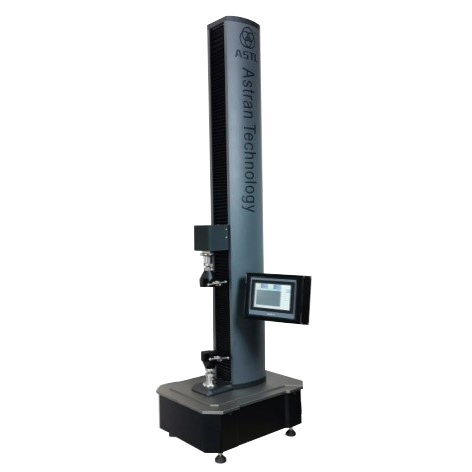
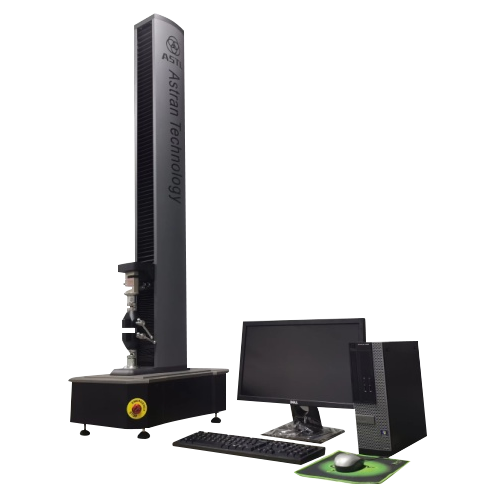
Electronic Fiber Tensile Strength Test Machine (Single Column ) ASTRAND
View more




中文
English


24-Hour Hotline
+86 130 6682 0203 Sarah

E-mail Us
sarah@astrand-martindale.com

Categories
New Products
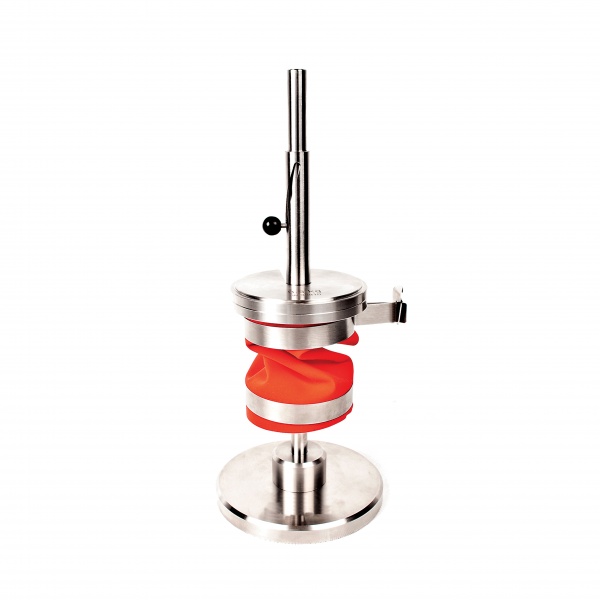

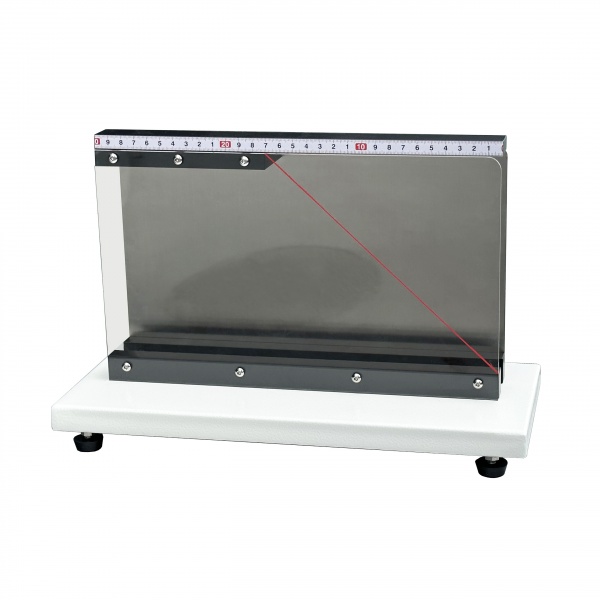

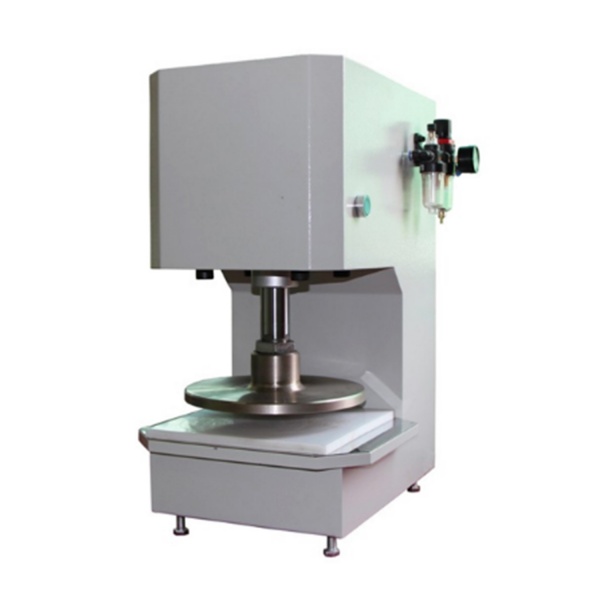
ASTM D2594: Complete Technical Guide to Testing the Tensile Properties of Low Power Stretch Knitted Fabrics
Time: 2025-07-21 10:00:00
Author: Sarah
From: Dongguan Astrand Electronic Technology Co.,Ltd
Click:
ASTM D2594: Complete Technical Guide to Testing the Tensile Properties of Low Power Stretch Knitted Fabrics
Introduction to ASTM D2594 – Understanding Its Significance in Textile Testing
ASTM D2594 is a critical standard test method established by ASTM International, specifically designed for evaluating the tensile properties—such as fabric growth and fabric elasticity—of low power stretch knitted fabrics. These fabrics are widely used in various apparel applications, including casual wear, lightweight sportswear, intimate clothing, and comfort garments. As their name suggests, low power stretch fabrics offer moderate elasticity, making them susceptible to dimensional changes when subjected to stretching forces.
By conducting standardized testing under controlled laboratory conditions, ASTM D2594 helps manufacturers, suppliers, designers, and quality assurance professionals accurately assess how fabrics behave under elongation forces and how they recover post-deformation. The test method ensures consistency, aids in product development, and helps meet both industry standards and consumer expectations.
The Importance of ASTM D2594 in Fabric Quality Control
The ASTM D2594 test method plays a pivotal role in textile quality assurance by providing precise data on key performance characteristics:
- ✅ Predicting FabricDimensional Stability in End-Use Applications
- ✅ Ensuring Uniformity AcrossFabric Lots and Batches
- ✅ Supporting Research &Development in Textile Innovations
- ✅ Enhancing CustomerSatisfaction through Quality Assurance
- ✅ Facilitating Compliancewith International and Regional Textile Standards
Without standardized testing like ASTM D2594, manufacturers risk delivering products that may fail in real-world applications, such as garments that lose shape, sag, or fail to meet fit expectations after washing and wearing.
ASTM D2594 Test Method Overview — Detailed Step-by-Step Process
1️. Sample Preparation and Cutting Procedures
- Specimen Quantity and Orientation:
- Longitudinal (Warp) Direction: 5 specimens
- Transverse (Weft) Direction: 3 specimens
- Specimen Dimensions:
- Width: 5 ± 0.1 mm
- Length: 155 ± 3 mm
- Sampling Guidelines:
- Collect samples from diagonal positions across the fabric width to represent the overall characteristics of the fabric.
- Avoid edges and patterned areas unless specifically required.
- For fabrics over 125 mm (5 inches) wide, ensure samples are at least 25 mm (1 inch) away from fabric edges.
- For narrower fabrics, the entire width may be used.
- Specimen Preparation Tips:
- Ensure samples are smooth, clean, and free from wrinkles, creases, oil, water, or contaminants.
- Fold each specimen lengthwise into a loop and sew the overlapping edges together at 6–13 mm (0.25–0.50 inch) from the cut edge.
- Lay the ring specimen flat and mark two fiducial points along the center length, 125 ± 3 mm (5 ± 0.1 inch) apart.
2️. Test Environment Control
Testing must be conducted under standard atmospheric conditions as per ASTM D1776:
- Temperature: 21 ± 1°C (70 ± 2°F)
- Relative Humidity: 65 ± 2%
Proper humidity and temperature conditioning ensure the fabric has stabilized moisture content, which directly affects test results.
3️. Equipment and Tools Required
- Frame: To support the hangerassembly and tension application.
- Hanger Assembly: Consists ofhanger, boom, and chain for specimen mounting.
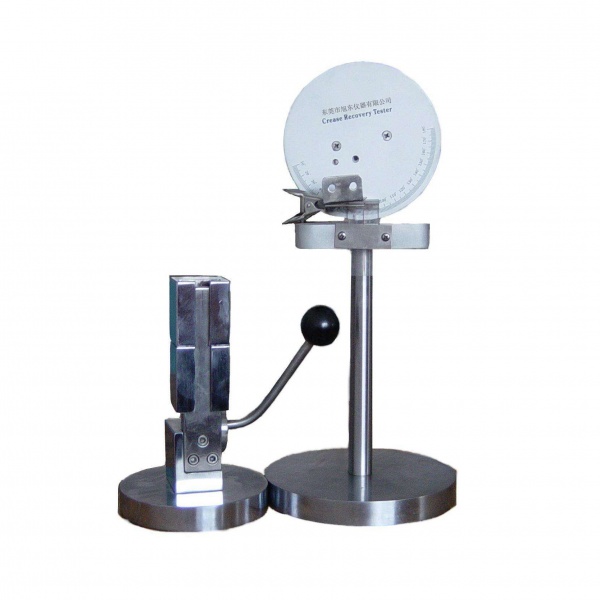
- Lightweight Ruler: Equipped with apin hook at zero scale for measuring elongation (graduated in mm orpercentage).
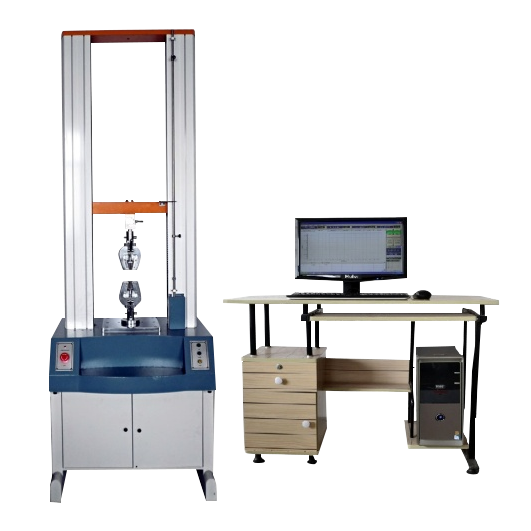
- Tensiometer or Calibrated Weights:Must deliver 2.27 kgf (5 lbf) or 4.54 kgf (10 lbf) with ±1%accuracy.
- Turnbuckle or Equivalent: Lengthadjustable between 25–75 mm (1–3 inches).
- Shrinkage Marking Tool: For markingfiducial reference points.
- Timer: Minimum increment of 1minute.
4️. Fabric Growth Test Procedure
- Suspend the ring specimen on the hanger, aligning the seam withthe boom.
- Insert the folded end into the lower hanger and secure it.
- Mount the upper boom onto the support frame.
- Attach the ruler at the centerline between the fiducial points.
- Use the turnbuckle to stretch the specimen until the lowerfiducial mark aligns with the target elongation on the ruler.
- Lock the chain at the frame base, fine-tune with theturnbuckle.
- Maintain the stretched position for 2 hours ± 5 minutes.
- After 2 hours, release the tension.
- Measure the distance between the fiducial points:
- After 60 ± 5 seconds (Recovery Measurement B)
- After 1 hour ± 5 minutes (Recovery Measurement C)
5️. Fabric Elasticity Test Procedure
- Install a new specimen as described in steps 1–4 of the growthtest.
- Attach the tensiometer or calibrated weights.
- Stretch the sample four times, applying:
- 0–2.27 kgf (0–5 lbf) for loose garments
- 0–4.54 kgf (0–10 lbf) for intimate apparel
Each cycle should last 4–6 seconds.
On the fifth stretch, hold the tension for 5–10seconds and record the reference distance under load (Measurement D).
- Repeat for two specimens in both longitudinal andtransverse directions.

6️. Calculation of Results
- Fabric Growth (%) After 60 Seconds:((B - A) / A) × 100
- Fabric Growth (%) After 1 Hour: ((C- A) / A) × 100
- Fabric Elasticity (%): ((D - A) /A) × 100
- Report the average value of the test results, ensuringaccuracy within 1%.
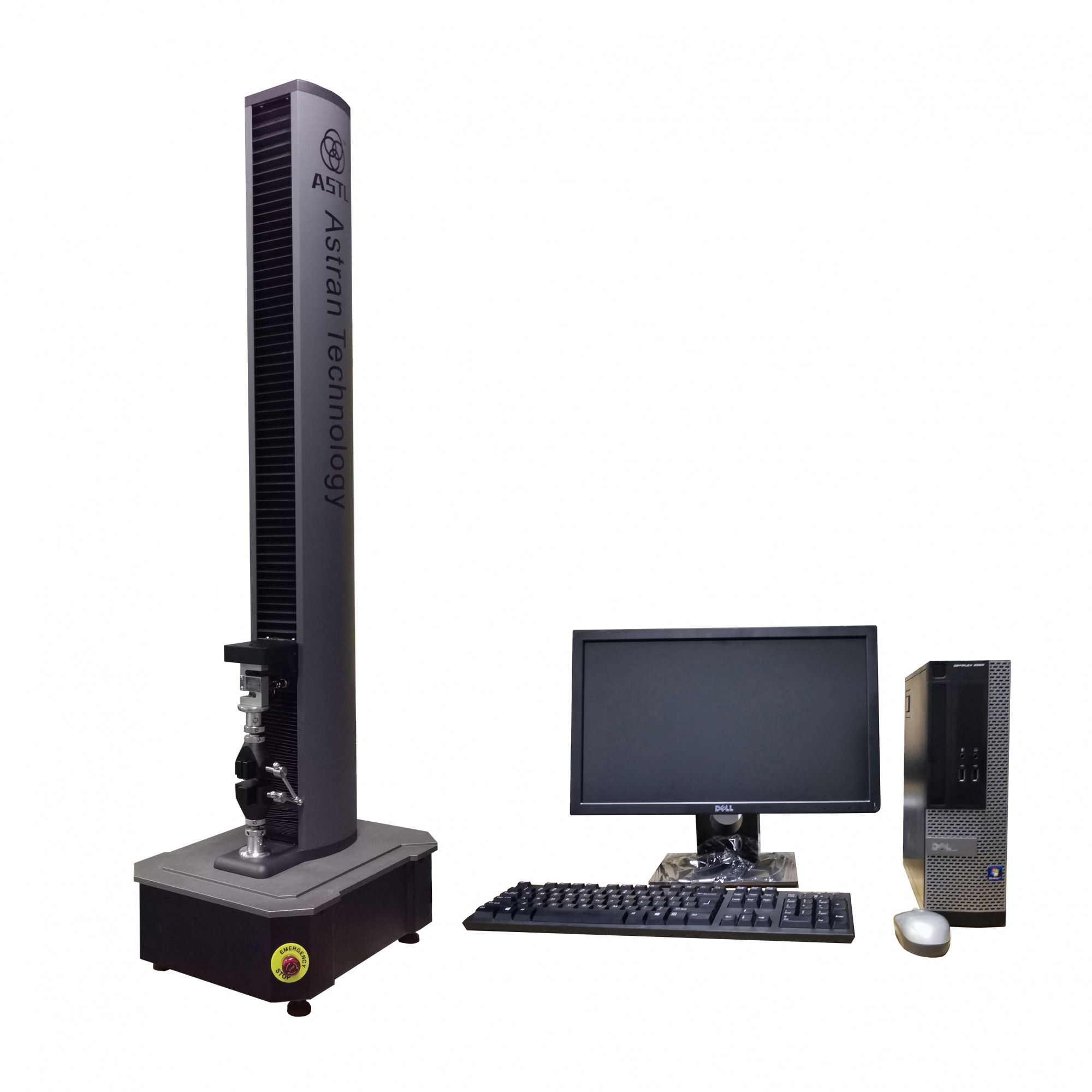
ASTM D2594 Test Applications in the Textile Industry
- ???? Fashion and CasualWear Production
- ???? LightweightSportswear Manufacturing
- ???? Intimate Appareland Lingerie Development
- ???? StretchUndergarments and Accessories Testing
- ???? PrototypeEvaluation and R&D in Textile Innovations
Accurate testing helps manufacturers select appropriate materials, prevent product failures, and optimize designs for maximum customer satisfaction.
ASTM D2594 in Comparison with Other Fabric Tensile Test Standards
| Standard | Scope | Application |
ASTM D2594 | Low Power Stretch Knitted Fabrics | Growth & Elasticity Testing |
ASTM D3107 | Woven Fabrics | Tensile Strength Evaluation |
| ASTM D6614 | Textile Fabrics (CRE Method) | Tensile Property Testing |
ASTM D1776 | Textile Fabrics (CRE Method) | Tensile Property Testing |
| ASTM D4964 | Elastic Fabrics & Yarns | Stretch & Recovery Testing |
Frequently Asked Questions (FAQ) About ASTM D2594
✅ Why Choose ASTM D2594 for Knitted Fabric Testing?
Because it provides reliable, standardized data on fabric behavior under stretch, making it ideal for manufacturers seeking consistent product quality and performance.
✅ What Factors Can Affect ASTM D2594 Test Results?
Environmental conditions like humidity and temperature, specimen preparation, tension applied, and measuring accuracy all significantly impact the test outcomes.
✅ How Often Should ASTM D2594 Testing Be Conducted?
- During initial product development
- After material sourcing changes
- For periodic quality control audits
✅ Can ASTM D2594 Be Used for All Knitted Fabrics?
No, it is specifically designed for low power stretch knitted fabrics. For higher stretch or elastomeric fabrics, standards like ASTM D4964 should be applied.
Partner With Us for Professional Textile Testing Services
We specialize in providing comprehensive textile testing services that comply with ASTM, ISO, GB/T, and other international standards. Whether you need:
- Laboratory Sample Testing
- Textile Testing Equipment Supply
- Technical Consultation on Fabric Testing
- Custom Testing Method Development
We are here to help. Our experienced team ensures precise testing, timely reporting, and expert recommendations for your business.
???? Contact Us:
- Phone/WhatsApp: +86 130 6682 0203
- Email: sarah@astrand-martindale.com
Explore Related Standards and Testing Methods
- ISO13934-1 – Tensile Properties of Fabrics: Strip Method
- GB/T3917 – Tensile Testing of Textiles in Chinese Standards
- ASTMD4964 – Tension and Recovery of Stretch Yarns
- ISO13936 – Determination of Pilling and Surface Changes in Knitted Fabrics
Conclusion – ASTM D2594: Your Key to Reliable Fabric Performance Evaluation
ASTM D2594 remains an essential testing method for any textile manufacturer or quality control laboratory focused on low power stretch knitted fabrics. Its standardized procedure ensures products meet market demands, regulatory standards, and customer satisfaction criteria. By adhering to ASTM D2594, manufacturers safeguard their brand reputation, enhance product quality, and improve market competitiveness.
Ready to ensure your fabrics meet the highest performance standards? Contact us today for professional fabric testing services and industry-leading equipment support.

点击右上角
分享给朋友吧







 Long by picture save/share
0
Prev : Comprehensive Guide to Fabric Shrinkage
Next : In-Depth Analysis of Tear Strength Testing in Textiles
Your liking is the energy source that I persist in writing
YouArticle
已有0人推荐
CONTACT US
 No. 94, Chenwu Section, Guantai Road, Houjie
Town, Dongguan City
 E-mail: sarah@astrand-martindale.com
jack@astrand-martindale.com
 Tel: (+86) 186 8867 2626 Jack
 Tel: (+86) 130 668 20203 Sarah
HOT TAGS
LATEST NEWS
SUBSCRIBE
Please read on, stay posted, subscribe, and we welcome you to tell us what you think.
Copyright © 2022 Dongguan Astrand Electronic Technology Co., Ltd. All Rights Reserved | Log in
Copyright © 2022 Dongguan Astrand Electronic Technology Co., Ltd. All Rights Reserved