 Astrand Electronic
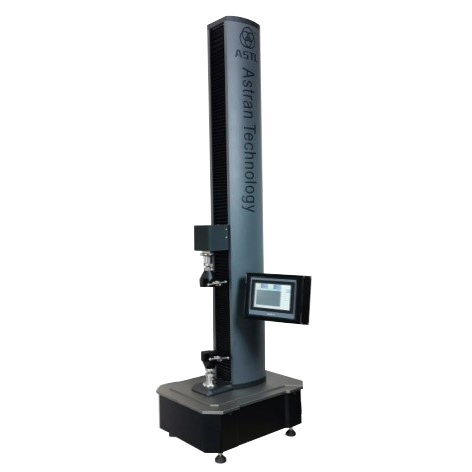
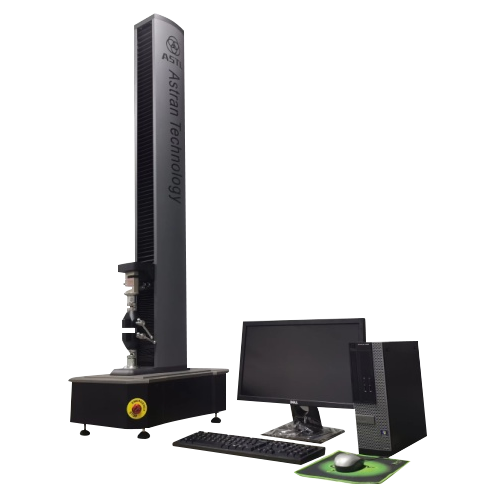
Electronic Fiber Tensile Strength Test Machine (Single Column ) ASTRAND
View more




中文
English


24-Hour Hotline
+86 130 6682 0203 Sarah

E-mail Us
sarah@astrand-martindale.com

Categories
New Products


Light Fastness Tester: Comprehensive Guide to Function, Use, and Industry Applications
Time: 2025-07-31 09:00:00
Author: Sarah
From: Dongguan Astrand Electronic Technology Co.,Ltd
Click:
A Light Fastness Tester is a specialized instrument designed to assess the resistance of materials to color fading or degradation under exposure to light—particularly sunlight. These devices are critical in various industries such as textiles, automotive, coatings, and construction, ensuring that products maintain their appearance and functionality throughout their service life. This expanded guide explores how the tester works, how it compares with UV aging testers, its operational steps, programming and maintenance tips, selection criteria, and its industrial applications.
What Is a Light Fastness Tester?
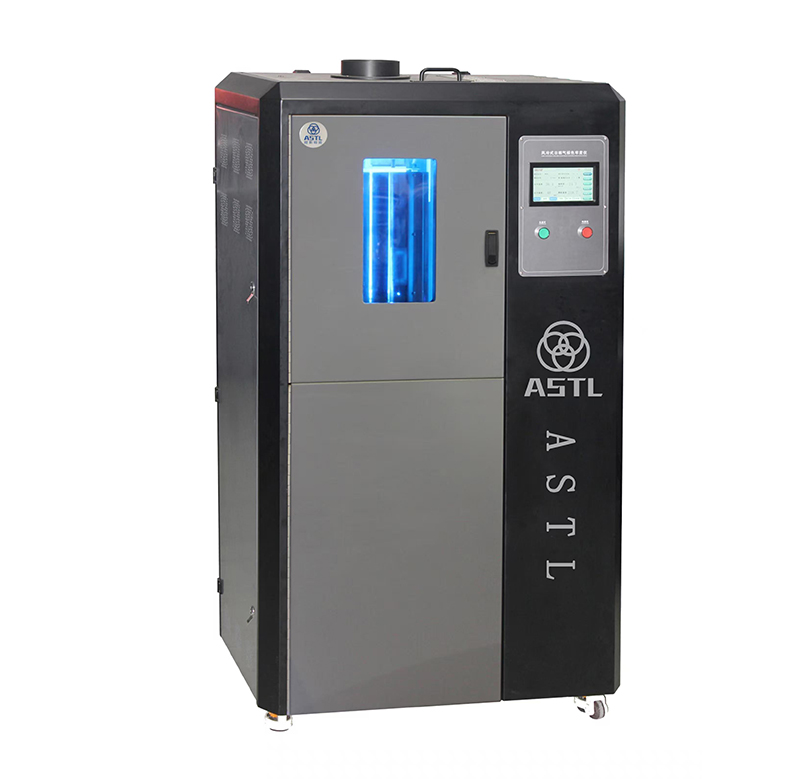
A light fastness tester simulates natural sunlight by using a xenon arc lamp that emits a spectrum of light covering ultraviolet (UV), visible, and infrared (IR) wavelengths. The goal is to replicate environmental exposure as accurately as possible, providing reliable and accelerated results on material performance.
Manufacturers and testing laboratories rely on this technology to:
• Determine product durability in outdoor or bright indoor environments.
• Evaluate compliance with international standards (e.g., ISO 105-B02, AATCC TM16).
• Conduct research and development for material improvement.
• Compare product quality between suppliers.
Working Principle of a Light Fastness Tester
1. Xenon Lamp and Power Supply
At the heart of the tester is a xenon arc lamp that emits a broad, consistent light spectrum. A precision power supply provides the required voltage and current, ensuring stable operation.
2. Preheating and Ignition
The lamp is heated using a dedicated system to simulate the high temperatures found in outdoor conditions. An ignition circuit safely ignites the lamp to begin light emission.
3. Spectral Simulation
The xenon arc replicates natural sunlight. Optical filters adjust the spectrum to match indoor, outdoor, or window-glass-filtered conditions.
4. Environmental Control System
Integrated controls maintain constant temperature, humidity, and airflow to simulate realistic weathering conditions. Water sprays can be introduced for additional weathering.
5. Timed Exposure and Data Monitoring
The system runs for a preset duration, continuously monitoring and logging irradiance, temperature, humidity, voltage, and other parameters to ensure test accuracy.
6. Degradation Assessment
After exposure, samples are assessed for color fastness, gloss loss, mechanical strength reduction, and surface changes.
Key Differences: Light Fastness Tester vs. UV Aging Tester
| Feature | Light Fastness Tester | UV Aging Tester |
| Light Source | Xenon arc lamp | Fluorescent UV lamp |
| Spectrum Simulated | Full solar spectrum (UV, visible, IR) | Narrow-band UV (mainly UVA/UVB) |
| Realism | Closely simulates natural sunlight | Emphasizes accelerated UV aging |
| Applications | Outdoor materials, automotive, textiles | Coatings, polymers, plastics |
| Test Focus | Overall weathering | UV-specific degradation |
| Cost | Higher initial investment | Generally more economical |
| Control Systems | Advanced with temp/humidity/irradiance | Simpler, focused on UV only |
Conclusion: If your testing requires simulating natural sunlight and full-spectrum aging, choose a light fastness tester. For UV-specific resistance tests, a UV aging tester may be more efficient.
Operating Procedure
1. Pre-Test Preparation
• Inspect tester for damage.
• Confirm xenon lamp integrity.
• Prepare and label test samples.
• Select clean, climate-stable environment for installation.
2. Power-Up and Setup
• Turn on power supply.
• Input test parameters (light intensity, humidity, temperature, cycle time).
• Verify settings via touchscreen interface.
3. Sample Installation
• Open test chamber.
• Place samples securely on rotating frame or shelf.
• Ensure sample surface faces the light source.
4. Test Execution
• Press start; system executes programmed exposure.
• Monitor real-time data.
• Check for anomalies or safety alerts.
5. Test Completion
• Stop the cycle.
• Remove samples carefully.
• Power off equipment.
6. Post-Test Care
• Clean chamber using deionized water.
• Inspect all components.
• Record results and generate reports.
• Archive test data and samples.
Maintenance and Care Tips
Proper maintenance is crucial for the long-term accuracy of your light fastness tester:
• Keep surfaces clean to prevent corrosion.
• Avoid placing objects on top of the tester to allow ventilation.
• Monitor mechanical parts (motor, blower) for unusual sounds.
• Inspect electrical components for overheating.
• Clean the chamber and control cabinet monthly.
• Drain moisture and dry the chamber after every test.
Avoid dismantling critical parts. Always follow manufacturer maintenance guidelines.
Always use deionized water to prevent mineral deposits. Avoid placing objects on the unit’s surface to ensure proper airflow and heat dissipation.
Safety and Operational Considerations
• Wear eye protection during lamp access.
• Avoid direct exposure to high-intensity light.
• Dispose of condensate and filters safely.
• Regularly verify calibration of temperature, humidity, and irradiance sensors.
• Follow manufacturer safety protocols.
Selection Guide: How to Choose a Light Fastness Tester
When selecting a light fastness tester, consider the following:
1. Test Requirements
• Type and size of materials
• Required exposure duration
• Temperature and humidity precision
2. Technical Specifications
• Xenon lamp power and lifespan
• Spectrum control and irradiance accuracy
• Test chamber size and uniformity
• Programmability and user interface
3. Brand and Support
Choose a reliable brand known for:
• Accurate performance
• Software reliability
• After-sales support and calibration services
4. Cost vs. Value
• Evaluate total cost of ownership, not just purchase price.
• Consider maintenance, consumables, and energy consumption.
5. Reviews and Validation
• Read user testimonials and third-party test reports.
• Look for evidence of compliance with international standards such as ISO 105-B02, AATCC TM16, etc.
Industry Applications
Textile Industry:
• Evaluate lightfastness of dyed fabrics.
• Ensure compliance with ISO 105-B02.
Automotive:
• Test dashboards, seats, trim parts for UV exposure durability.
Plastic and Rubber:
• Evaluate discoloration, brittleness, and tensile loss after exposure.
Paints and Coatings:
• Assess gloss retention, chalking, and color change.
Building Materials:
• Examine resistance of roofing, cladding, and insulation under solar radiation.
Food and Cosmetics Packaging:
• Verify ink fade, plastic stability, and contamination risk due to light exposure.
Benefits of Light Fastness Testing
• Simulates natural weathering with high accuracy.
• Accelerates aging compared to real-world exposure.
• Enhances product reliability before market release.
• Supports regulatory compliance and quality certifications.
• Improves material formulations through R&D feedback.
Advantages Over Other Aging Tests
• Full-spectrum simulation vs. partial UV tests.
• Finer environmental control, improving reproducibility.
• Shorter test cycles thanks to high-intensity irradiation.
• Broader industry usage: textiles, automotive, paints, plastics.
Conclusion
A light fastness tester is indispensable for evaluating a product’s resistance to light-induced aging. By simulating the complete solar spectrum and environmental conditions, it helps manufacturers develop more durable, high-performance products. From textiles to aerospace materials, its versatility, precision, and reliability make it a cornerstone of modern quality assurance and research.
For tailored advice on selecting and using a light fastness tester:
Contact Us:
???? WhatsApp: +86 130 6682 0203
???? Email: sarah@astrand-martindale.com

点击右上角
分享给朋友吧







 Long by picture save/share
0
Your liking is the energy source that I persist in writing
YouArticle
已有0人推荐
CONTACT US
 No. 94, Chenwu Section, Guantai Road, Houjie
Town, Dongguan City
 E-mail: sarah@astrand-martindale.com
jack@astrand-martindale.com
 Tel: (+86) 186 8867 2626 Jack
 Tel: (+86) 130 668 20203 Sarah
HOT TAGS
LATEST NEWS
SUBSCRIBE
Please read on, stay posted, subscribe, and we welcome you to tell us what you think.
Copyright © 2022 Dongguan Astrand Electronic Technology Co., Ltd. All Rights Reserved | Log in
Copyright © 2022 Dongguan Astrand Electronic Technology Co., Ltd. All Rights Reserved