 Astrand Electronic
Electronic Fiber Tensile Strength Test Machine (Single Column ) ASTRAND
View more




中文
English


24-Hour Hotline
+86 130 6682 0203 Sarah

E-mail Us
sarah@astrand-martindale.com

Categories
New Products
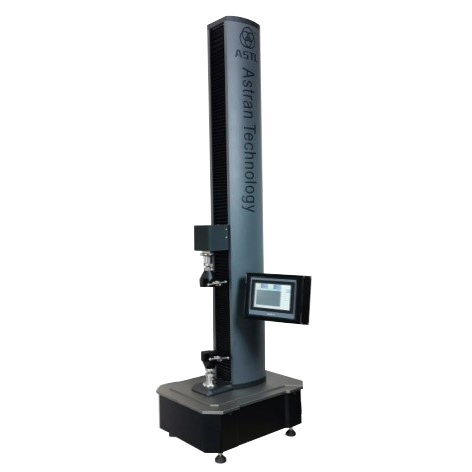
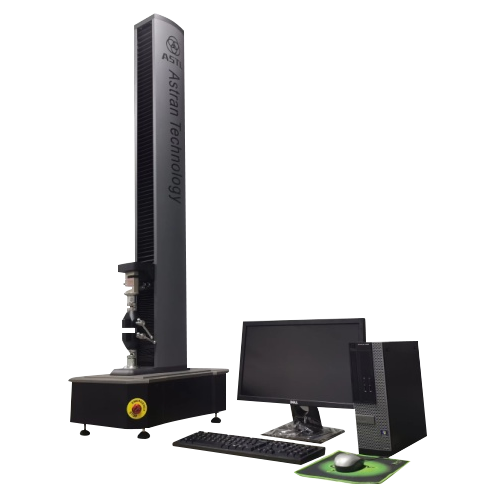
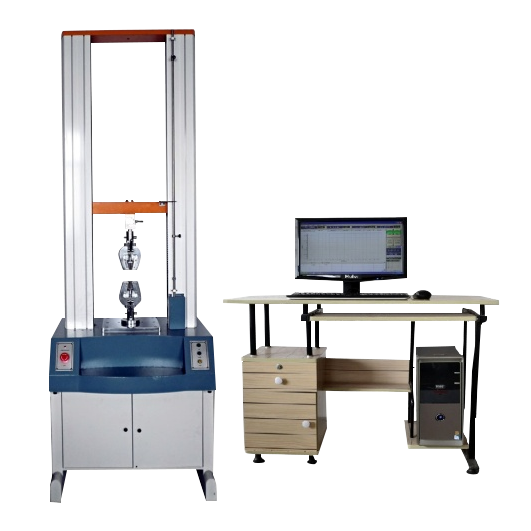
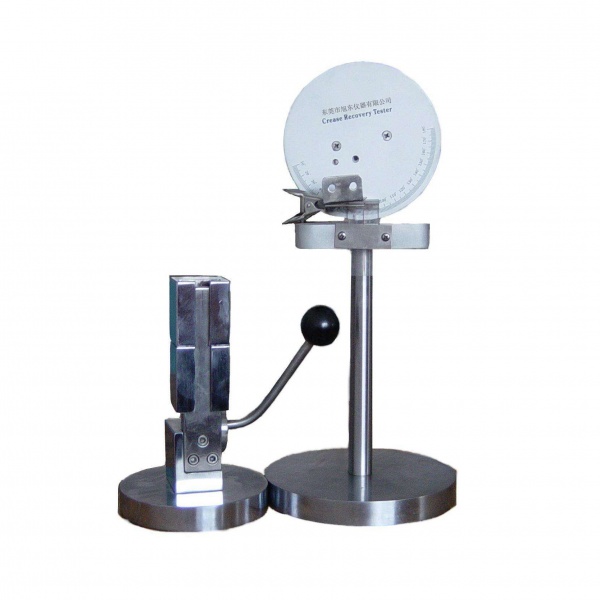


The Ultimate Guide to Textile Testing Laboratories
Time: 2025-08-28 14:13:20
Author: Sarah
From: Dongguan Astrand Electronic Technology Co.,Ltd
Click:
Part 1: Introduction & The Importance of Textile Testing Labs
Introduction
The textile industry is one of the most dynamic and competitive global industries, supplying essential products ranging from clothing and home furnishings to industrial textiles, medical fabrics, and protective gear. As markets become more demanding and consumers expect higher levels of quality, durability, and sustainability, textile testing has emerged as a cornerstone of success.
For laboratory directors, technical managers, and decision-makers in textile companies, the establishment and optimization of a Textile Testing Laboratory is not merely a support function—it is a strategic investment that directly impacts brand reputation, customer satisfaction, regulatory compliance, and long-term profitability.
Unlike visual inspection, which only evaluates surface appearance, laboratory testing offers quantifiable, objective, and standardized measurements of a textile’s performance. These results help manufacturers, buyers, and retailers make informed decisions about materials, processes, and final products.
Textile testing is particularly critical today because of:
- Global Supply Chains: Fabrics andgarments often pass through multiple countries before reaching endconsumers, making consistent quality checks vital.
- Regulatory Pressures: Stricterrules on product safety, chemical usage, and sustainability require robusttesting for compliance with standards such as ISO, ASTM, AATCC, REACH,OEKO-TEX®, and GOTS.
- Consumer Expectations: Shoppersdemand textiles that not only look attractive but also perform reliablyover time, withstanding washing, wear, and environmental conditions.
- Sustainability Goals: Testingsupports eco-friendly innovation by validating recycled fibers, low-impactdyes, and bio-based finishes.
In this guide, we will examine every aspect of textile testing labs—from their objectives and testing methods to workflow optimization, advanced technologies, and management systems. By the end, you will gain a holistic understanding of how to operate a textile testing lab as a center of excellence for quality assurance and innovation.
The Importance of Textile Testing Labs
Textile testing labs provide a scientific foundation for decision-making at every stage of textile production. They transform raw data into actionable insights, enabling companies to ensure product quality, enhance customer trust, and achieve compliance with international regulations.
1. Ensuring Product Quality and Consistency
Quality in textiles cannot be assumed; it must be proven. Testing labs measure fundamental properties such as strength, dimensional stability, abrasion resistance, and color fastness. These results give manufacturers confidence that products will perform consistently across different batches and production runs.
Examples of critical quality factors tested include:
- Fiber Quality: Length, fineness,and maturity, which determine yarn strength and smoothness.
- Yarn Properties: Twist, count, andtensile strength, which influence fabric uniformity.
- Fabric Performance: Tearresistance, abrasion resistance, and shrinkage control.
- Color Properties: Fastness towashing, light, perspiration, and rubbing.
Without these checks, inconsistencies can slip through, leading to customer complaints, high return rates, or brand damage.
2. Supporting Regulatory Compliance
Global textile trade is tightly regulated. Testing laboratories ensure that products meet international safety and performance requirements. For instance:
- ISO Standards (e.g., ISO 13937 fortearing strength) define globally recognized testing procedures.
- ASTM Standards (e.g., ASTM D5034for tensile testing) provide benchmarks for U.S. markets.
- AATCC Standards are essential forevaluating color fastness and fabric performance.
- European Standards (EN/BS) apply tothe EU and UK markets.
- Sustainability Certifications suchas OEKO-TEX®, Bluesign®, and GOTS require stringent chemical and physicaltesting to verify eco-friendly claims.
Failure to meet these standards can block market access, cause costly recalls, or damage a company’s global reputation.
3. Enabling Performance Prediction
Textile testing goes beyond current performance—it predicts how fabrics will behave during end use. This includes:
- Durability during laundering (e.g.,will a T-shirt maintain shape after 20 washes?)
- Wear comfort (e.g., does activewearmaintain breathability during sweat exposure?)
- Safety under stress (e.g., willprotective clothing resist tearing under hazardous conditions?)
By simulating real-world conditions in controlled environments, labs can anticipate failures before products reach the consumer.
4. Supporting Research, Development, and Innovation
Testing labs are essential in R&D, particularly when developing new fibers, blends, or finishes. For example:
- Testing biodegradable fibers to ensure performancematches synthetic counterparts.
- Evaluating nanotechnology finishes for water repellencyand antimicrobial resistance.
- Comparing the mechanical properties of recycled polyester with virgin polyester.
Without a strong laboratory foundation, innovation would lack validation and credibility.
5. Driving Business Competitiveness
In today’s competitive landscape, brands that demonstrate tested, certified quality enjoy stronger market positions. Textile testing labs enable:
- Faster product approvals by globalbuyers and retailers.
- Reduced production costs bycatching defects early.
- Improved customer satisfaction throughreliable product performance.
- Marketing advantage viacertification marks such as ISO 17025, OEKO-TEX®, or GOTS.
???? For lab directors, investing in advanced testing facilities is not just about compliance—it is a strategic differentiator that drives market competitiveness.
6. Contribution to Sustainability
With global focus on sustainable textiles, testing labs help verify claims and ensure eco-friendly production. This includes:
- Testing fabrics for biodegradability or recyclability.
- Measuring chemical residues to ensure compliance with REACHor OEKO-TEX® standards.
- Evaluating energy and water consumption in processes throughlab simulations.
- Supporting certifications such as GOTS (Global OrganicTextile Standard) and Higg Index assessments.
✅ Summary of Importance
To summarize, textile testing labs are critical because they:
- Safeguard quality and consistency.
- Ensure compliance with international standards.
- Predict product performance in real-world scenarios.
- Enable innovation and sustainability.
- Strengthen competitiveness and customer trust.
Part 2: Objectives of a Textile Testing Lab & How They Support Production
Objectives of a Textile Testing Laboratory
A well-structured textile testing laboratory operates with clearly defined objectives, ensuring that every test and process adds measurable value to both production and research. Lab objectives go beyond compliance—they align with business goals, process optimization, and product innovation.
1. Raw Material Verification
Before any production begins, the quality of raw fibers, yarns, and fabrics must be verified. Poor-quality raw materials can compromise final products, lead to high rejection rates, and increase production costs.
Key activities include:
- Fiber Assessment: Measuring fiberlength, fineness, maturity, and impurities.
- Yarn Testing: Evaluating yarnstrength, twist, count, and uniformity.
- Fabric Inspection: Checking GSM,EPI/PPI, and structural integrity.
Benefits:
- Prevents defective materials from entering production.
- Optimizes resource allocation by selecting the most suitableraw materials.
- Reduces machine downtime caused by weak or inconsistentmaterials.
2. Production Monitoring and Process Control
Testing labs are integral to monitoring the production process. By continuously evaluating intermediate products, labs help manufacturers maintain consistency and efficiency.
Monitoring points:
- Spinning: Detecting yarn unevennessor weak fibers to prevent high breakage rates.
- Weaving: Controlling warp/wefttension and density to avoid fabric defects.
- Dyeing & Finishing: Ensuringcorrect temperature, pressure, and chemical ratios.
Examples of impact:
- Adjusting lap weights reduces yarn breakage by 15–20%.
- Controlling fabric tension prevents warping and reducesrejection rates.
- Monitoring color uniformity avoids batch-to-batchinconsistencies.
3. Fault Investigation and Root Cause Analysis
When defects occur, testing labs identify root causes through detailed material and process analysis.
Common investigations include:
- Color variation or fading
- Shrinkage beyond acceptable limits
- Uneven thickness or density in fabrics
- Yarn breakage during weaving or knitting
Methods used:
- Microscopic fiber analysis
- Chemical residue testing
- Mechanical strength testing
Benefits:
- Rapid identification of problem areas
- Recommendations for process adjustments
- Minimized rework and associated costs
4. Final Product Assessment
Before textiles reach the market, the lab evaluates final products to confirm compliance with specifications.
Key assessments:
- Fabric tensile and tear strength
- Abrasion and pilling resistance
- Color fastness to washing, rubbing, light, and perspiration
- Dimensional stability, shrinkage, and drape
Benefits:
- Ensures products are fit for purpose
- Reduces the risk of returns or warranty claims
- Provides documented evidence for buyers and regulators
5. Product Development Support
Testing labs are strategic partners in R&D, supporting new fiber blends, finishing techniques, and innovative textiles.
Activities include:
- Testing eco-friendly fibers and blends for durability andcomfort
- Evaluating nanotechnology finishes such as water repellency orantimicrobial performance
- Developing high-performance industrial fabrics, includingflame-retardant and bulletproof materials
Impact:
- Accelerates innovation while ensuring reliability
- Provides validated data for product launch decisions
- Enhances brand reputation for quality and innovation
6. Research and Industry Knowledge Advancement
Beyond production, labs contribute to academic and industrial research, advancing knowledge in textile science.
Key contributions:
- Studying fiber performance under extreme conditions
- Exploring sustainable manufacturing methods
- Benchmarking new materials against industry standards
Example:
- Testing recycled polyester blends for tensile strength andcolor retention supports both environmental sustainability and marketviability.
Summary Table: Key Objectives of a Textile Testing Lab
Objective | Objective | Benefits |
Raw Material Verification | Fiber, yarn, fabric testing | Prevents defects, ensures consistency |
Production Monitoring | Spinning, weaving, dyeing control | Reduces downtime, maintains quality |
Fault Investigation | Root cause analysis | Minimizes rework, improves processes |
Final Product Assessment | Strength, abrasion, color, shrinkage | Confirms product readiness |
Product Development | R&D testing, innovative textiles | Accelerates innovation, validates performance |
Research | Sustainability, industry knowledge | Supports long-term advancements |
How Textile Testing Labs Support Production
Textile labs are not passive observers; they actively shape production outcomes. Their results influence material selection, process parameters, and product specifications.
1. Raw Material Selection
- Fiber as Raw Material: For spinningmills, labs evaluate fiber length, fineness, and maturity to selectoptimal batches.
- Yarn as Raw Material: For weavingand knitting operations, labs ensure yarn strength and uniformity tominimize machine stoppages.
- Fabric as Raw Material: Infinishing and garment production, fabric consistency ensures uniformdyeing and treatment.
2. Process Control Across Textile Operations
Process | How Labs Support | Example Impact |
Spinning | Monitors yarn twist, strength, and uniformity | Reduces breakage and improves machine efficiency |
Weaving | Controls tension, density, and defects | Reduces warp/weft breakages, avoids shading issues |
Dyeing | Monitors temperature, liquor ratio, and chemical concentrations | Ensures uniform color and reduces waste |
Finishing | Evaluates coating, softening, and functional treatments | Confirms product meets end-use requirements |
3. Quality Assurance and Control
Laboratories provide ongoing quality verification throughout the production cycle:
- Continuous sample testing prevents defective batches.
- Comparison against benchmark standards ensurescompliance and performance.
- Documented lab results strengthen buyer confidence andregulatory adherence.
4. Process Optimization and Cost Reduction
By analyzing data from testing, labs support process improvements:
- Adjusting lap weight to reduce spinning breakage
- Fine-tuning weaving tension to avoid fabric distortion
- Optimizing dyeing parameters to reduce chemical usage andenergy consumption
Impact:
- Saves production time
- Minimizes material waste
- Increases overall operational efficiency
5. Product Innovation and Development
- Labs test new fibers, blends, and finishes to predict marketperformance.
- Performance data supports decisions about launch viability.
- Testing ensures that innovative textiles meet bothdurability and sustainability criteria.
6. Continuous Knowledge and Training
Textile testing labs also act as knowledge hubs, providing:
- Training for production teams on process impact of raw materialquality
- Data-driven insights for research and development teams
- Best-practice recommendations to reduce defects and improveproduction efficiency
Key Takeaways
Textile testing laboratories are strategic enablers:
- They ensure raw materials and products meet specifications.
- They monitor, control, and improve production processes.
- They reduce waste, lower costs, and increase productreliability.
- They support innovation, sustainability, and industryknowledge.
For lab directors, understanding these objectives ensures that testing laboratories are not only compliant and operational but also a strategic driver of business success.
Part 3: Common Textile Testing Methods and Instruments
Textile testing methods are categorized based on the type of property being measured: mechanical, physical, chemical, and performance-related tests. Each method provides actionable insights into the fabric’s behavior, durability, and suitability for specific end uses.
Laboratory directors must ensure their labs are equipped with accurate instruments, standardized procedures, and properly trained technicians to produce reliable and reproducible results.
1. Mechanical Testing
Mechanical testing evaluates a textile’s response to forces such as tension, tearing, compression, and abrasion. These tests are essential for predicting durability, garment performance, and industrial suitability.
1.1 Fabric Strength Testing
Fabric strength determines how much force a material can withstand before failing. It is influenced by:
- Yarn type and twist
- Ends per inch (EPI) and picks per inch (PPI)
- Fabric structure (woven, knitted, nonwoven)
- Finishing treatments
Common tests include:
Test | Purpose | Standard Method | Instrument |
Tensile Strength | Measures fabric resistance to tension | ISO 13934-1 | Universal tensile tester, Instron, Astrand |
Tear Strength | Measures resistance to propagation of a tear | ISO 13937-1/2 | Elmendorf tear tester, Tongue tear tester |
Bursting Strength | Evaluates multi-directional fabric strength | ASTM D3786 | Hydraulic or pneumatic burst tester |
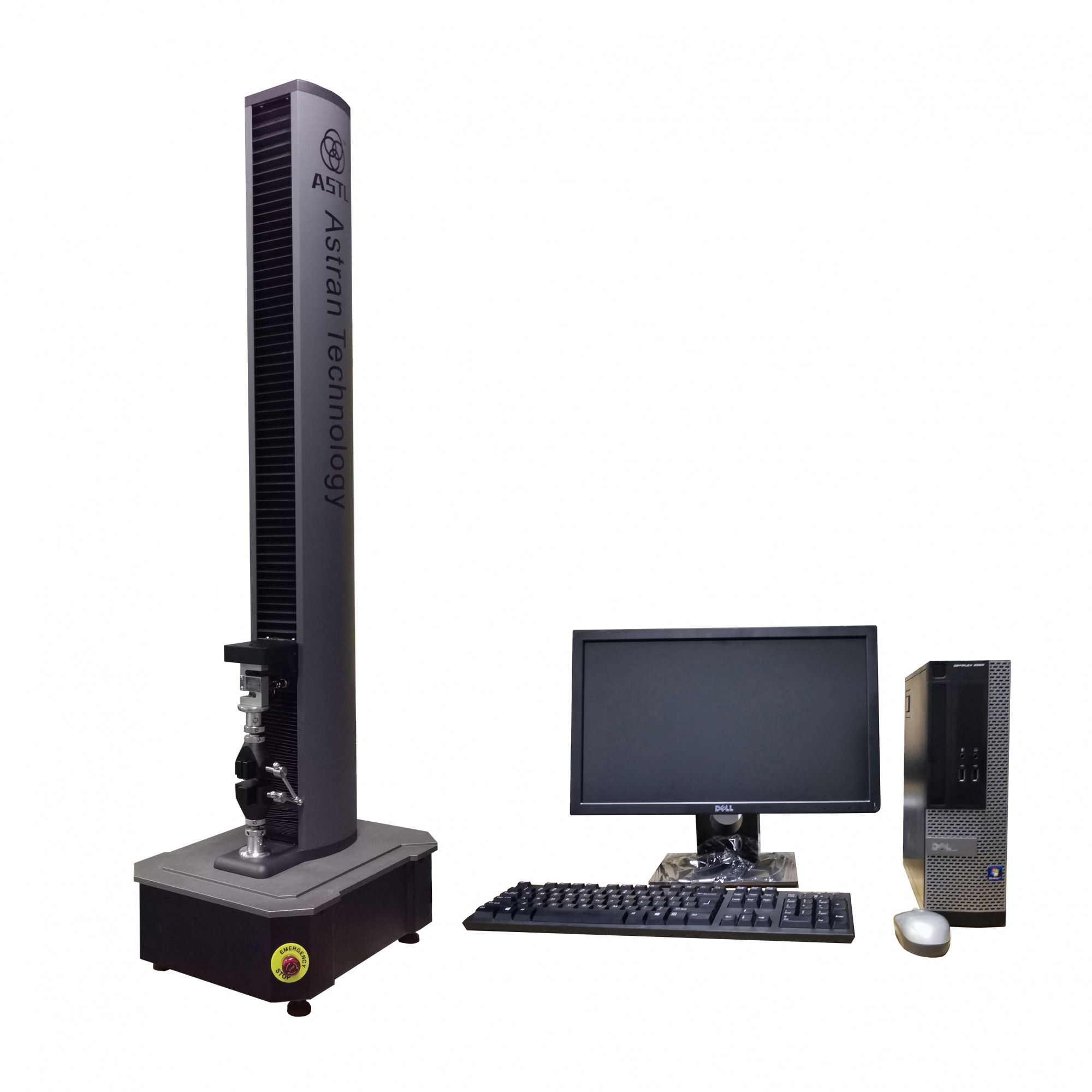
Objective: Determine the maximum force a fabric can withstand under tension before breaking.
Factors Affecting Tensile Strength:
- Fiber composition (cotton, polyester, nylon, blends)
- Yarn structure (single vs. plied)
- Fabric density and weave type
- Finishes (coating, sizing, softeners)
Procedure:
- Cut specimens along warp and weft directions (typically150 × 500 mm).
- Mount in tensile tester jaws with proper gauge length.
- Apply tension at a constant rate until specimen breaks.
- Record maximum load and elongation.
- Repeat for multiple specimens to calculate mean values.
Applications:
- Apparel: ensures durability for high-stress areas (shoulders,knees).
- Industrial fabrics: verifies load-bearing capacity.
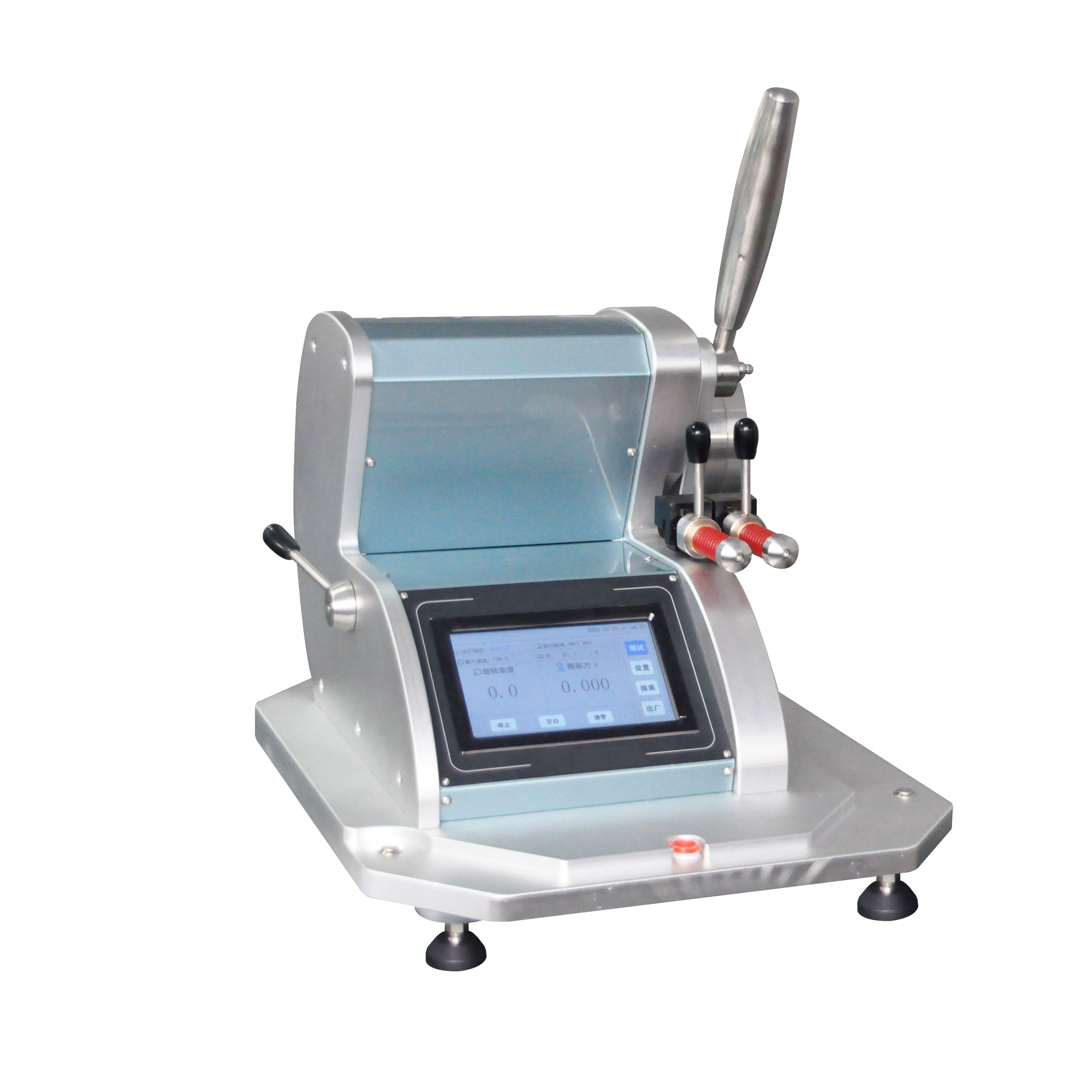
Objective: Measure resistance once a fabric begins to rip, crucial for garments, tents, and protective textiles.
Common Methods:
- Tongue Tear Test: Fabric cut tocreate a tongue; tensile tester measures force required to continuetearing.
- Elmendorf Tear Test: Pendulum tearssample; measures energy absorbed.
Procedure Highlights (Elmendorf):
- Cut 10 specimens (5 warp, 5 weft) to ISO 13937 dimensions.
- Condition in controlled environment (20°C, 65% RH).
- Clamp specimen in Elmendorf tester; release pendulum.
- Record tearing energy and calculate mean.
Applications:
- Denim, workwear, industrial fabrics, bulletproof textiles.
Abrasion Resistance Testing
Abrasion resistance measures how well a fabric withstands surface wear over time. High-friction areas like elbows, knees, cuffs, and collars are particularly prone.
Instruments:
- Martindale Abrasion Tester(standard for woven, knitted, and pile fabrics)
- Wyzenbeek Tester (primarily forU.S. market specifications)
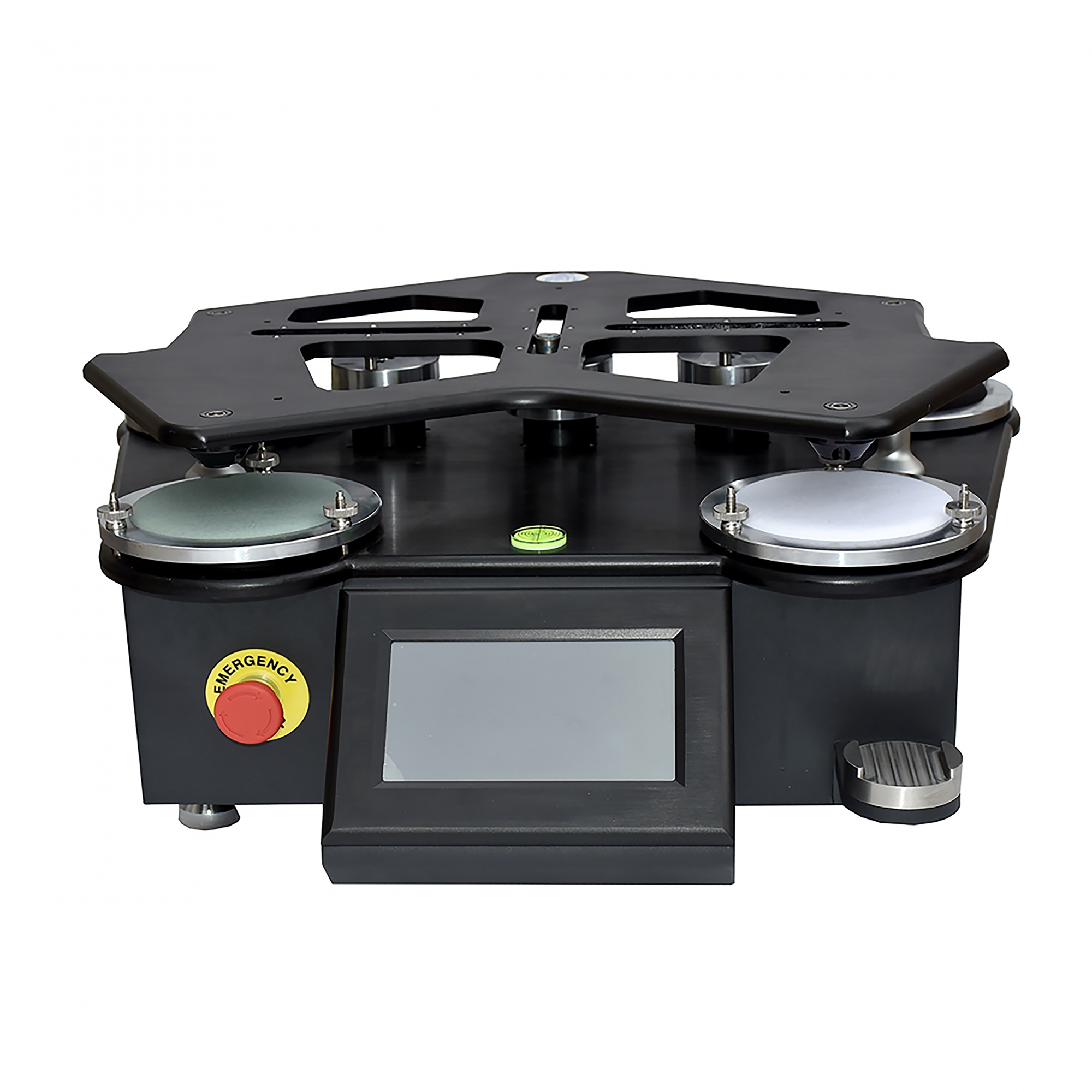
Test Procedure (Martindale):
- Cut circular specimens and mount in holders.
- Place standard abradant (wool or cotton) on fabric surface.
- Apply tension weight and run for preset cycles.
- Observe endpoint via microscope or visual assessment.
- Record cycles to failure.
Applications:
- Upholstery, workwear, fashion garments.
- Validates wear-life claims for marketing and warranty.
2. Physical Testing
Physical tests measure non-mechanical properties that influence comfort, appearance, and usability.
Common physical properties tested include:
- Dimensional Stability / Shrinkage –Ensures garments maintain shape after laundering.
- Fabric Weight / GSM – Critical forconsistency and end-use suitability.
- Air Permeability – Determinesbreathability for activewear and medical textiles.
- Thickness & Density – Ensuresevenness and structural integrity.
Table: Key Physical Tests
Property | Purpose | Standard Method | Equipment |
Dimensional Stability | Check shrinkage after washing | ISO 6330 | Shrinkage tester, laundry simulator |
GSM (Fabric Weight) | Ensure consistency | ASTM D3776 | GSM cutter and precision balance |
Thickness | Verify uniformity | ISO 5084 | Thickness gauge, micrometer |
Air Permeability | Measure breathability | ASTM D737 | Air permeability tester |
3. Chemical Testing
Chemical testing evaluates fabric performance under chemical exposure and checks compliance with safety or sustainability standards.
Common chemical tests:
- Color Fastness
- Washing, rubbing, light, perspiration, dry cleaning
- pH & Alkali Resistance –Ensures skin safety and dye stability
- Chlorine & Bleach Fastness –Relevant for uniforms and workwear
- Heavy Metal & Formaldehyde Testing – Compliance with OEKO-TEX® and REACH
Color Fastness Testing (Example: Rubbing Fastness):
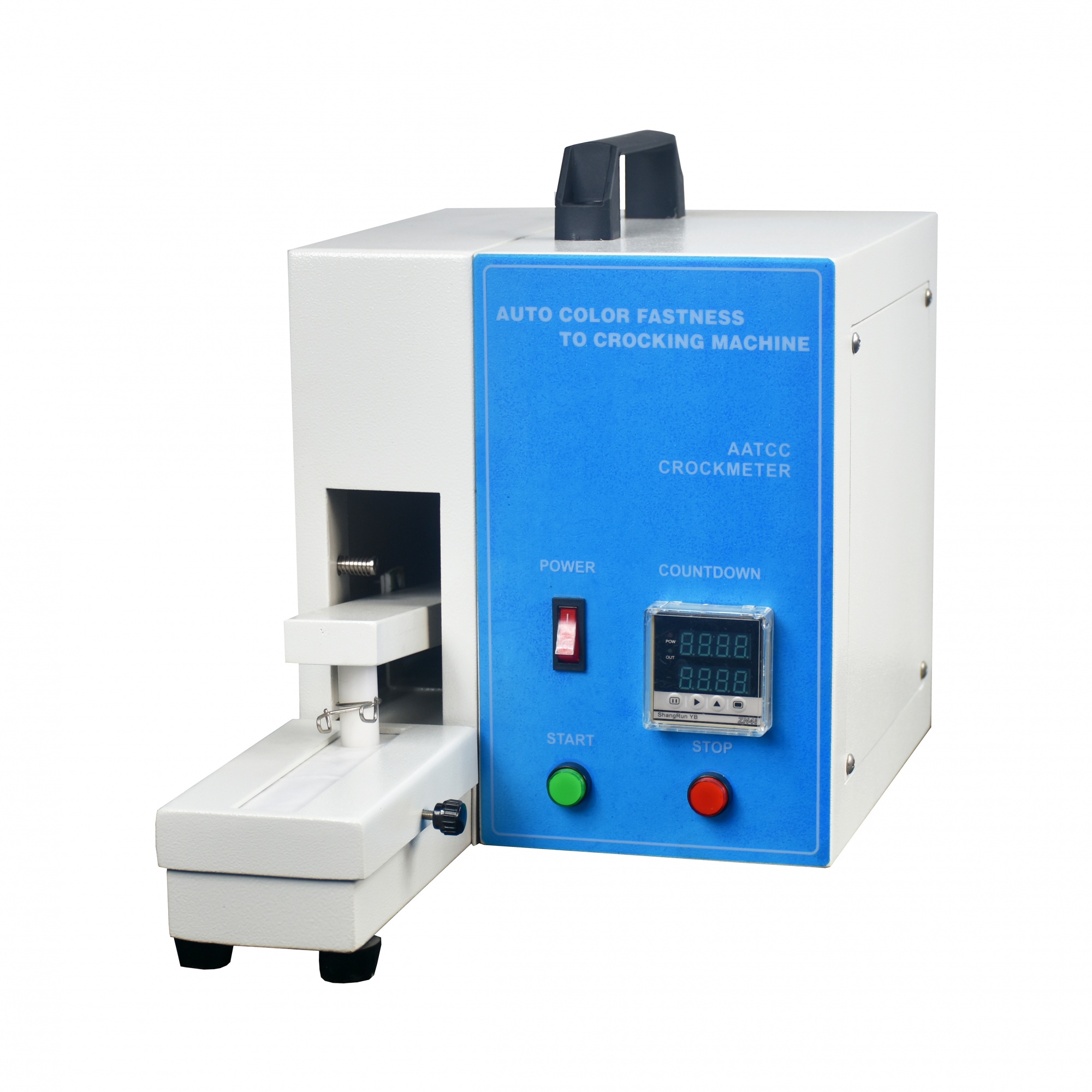
- Dry Rubbing: White cotton fabricrubbed against test sample 10 cycles.
- Wet Rubbing: Same procedure withwet white fabric.
- Evaluation: Compare staining withgray scale; assign numeric grade.
4. Advanced Testing Techniques
Modern labs increasingly use high-precision instruments for advanced evaluation:
- Near-Infrared Spectroscopy (NIR):Rapid fiber content analysis, moisture content detection.
- Optical Microscopy & SEM:Detailed fiber and yarn morphology studies.
- Thermal Analysis: DSC/TGA forevaluating heat tolerance and melting behavior of synthetic fibers.
- 3D Fabric Simulation: Predictsdrape and fit for garment design.
- Robotic and Automated Systems:Integration with LIMS for seamless data capture and reporting.
Benefits of Advanced Techniques:
- Faster testing cycles
- Higher accuracy and reproducibility
- Reduced human error
- Supports sustainability and innovation studies
5. Instrument Selection and Maintenance
Choosing the right instruments is critical to reliability. Key considerations:
- Test Requirements: Mechanical,chemical, or physical testing.
- Compliance: Ensure instruments meetISO, ASTM, AATCC standards.
- Manual vs. Automated: Automatedtesters offer precision and data logging but higher cost.
- Calibration & Maintenance:Regular calibration ensures repeatable, reliable results.
- Spare Parts & Technical Support: Availability impacts lab uptime.
Example: Comparing Tensile Testers
Feature | Manual Tester | Automatic Tester |
Cost | Low | High |
Throughput | Low | High |
Accuracy | Medium | High |
Data Integration | Manual | Direct digital capture |
Maintenance | Easy | Requires certified support |
Key Takeaways for Lab Directors
- Mechanical tests assess durability,strength, and abrasion resistance.
- Physical tests ensure comfort,weight, and dimensional consistency.
- Chemical tests confirmcolorfastness, safety, and compliance.
- Advanced instruments enhanceaccuracy, speed, and workflow integration.
- Proper instrument selection, calibration, and maintenance arecrucial for reliable results and ROI.
Part 4: Color Fastness, Abrasion Resistance, and Comfort Testing
Ensuring that textiles maintain appearance, durability, and comfort throughout their lifecycle is essential for consumer satisfaction and brand credibility. These tests evaluate how fabrics behave under real-life conditions, such as washing, rubbing, sunlight exposure, perspiration, and mechanical wear.
1. Color Fastness Testing
Color fastness testing assesses a textile’s ability to retain its color under various environmental and mechanical stresses. Poor color fastness can lead to staining, fading, or aesthetic degradation, affecting both consumer satisfaction and product reputation.
Common Color Fastness Tests:
- Color Fastness to Washing (CFW) –Evaluates color change after laundering.
- Color Fastness to Rubbing (CFR) –Assesses resistance to friction in dry and wet conditions.
- Color Fastness to Light (CFL) –Measures fading under UV exposure.
- Color Fastness to Perspiration (CFP) – Tests durability when exposed to acidic or alkaline sweat.
- Color Fastness to Dry Cleaning (CFDC) – Determines resistance to solvents used in professionalcleaning.
1.1 Color Fastness to Rubbing
Rubbing fastness is crucial for textiles subjected to high-friction areas, such as collars, cuffs, and upholstery surfaces.
Testing Procedure:
- Cut test specimens (minimum 14 × 5 cm).
- Condition samples under standard atmosphere (20°C, 65% RH).
- Dry rubbing test: A white cotton fabric is rubbed over thesample for 10 cycles.
- Wet rubbing test: Same procedure with the white cotton fabricmoistened with distilled water.
- Evaluate color transfer using gray scales or digitalcolorimetry.
Standards:
- ISO 105-X12
- AATCC 8
Key Considerations:
- Ensure uniform pressure during rubbing.
- Evaluate both warp and weft directions.
- Record results on a 1–5 scale (5 = no color change, 1 = severechange).
1.2 Color Fastness to Washing
Objective: Determine how well fabrics withstand laundering with detergents, temperature variations, and mechanical agitation.
Procedure Highlights:
- Prepare fabric and adjacent fabric for staining evaluation.
- Wash using a laboratory washing machine with standard detergentat specified temperature.
- Dry samples and compare color change and staining using a grayscale.
Standards:
- ISO 105-C06
- AATCC 61
Applications:
- Garments, home textiles, uniforms.
- Validates product labeling (e.g., machine washable).
1.3 Color Fastness to Light
Objective: Assess fabric resistance to fading under UV and sunlight exposure.
Procedure Highlights:
- Mount samples in a light fastness tester with standardized UVlamps.
- Expose for a set number of hours based on intended end-use(indoor vs. outdoor).
- Compare with blue wool standard or gray scale.
Standards:
- ISO 105-B02
- AATCC 16
Applications:
- Outdoor textiles, awnings, uniforms, sportswear.
2. Abrasion Resistance Testing
Abrasion testing measures how fabrics resist wear caused by rubbing during regular use. It is especially important for high-stress applications such as workwear, furniture, and technical textiles.
2.1 Martindale Abrasion Test
Procedure:
- Cut circular specimens and mount in holders.
- Place a standard abrasive fabric over the sample.
- Apply appropriate tension weight and program the number ofcycles.
- Observe the sample for fabric breakdown, fuzzing, or pile loss.
- Record the number of cycles until endpoint.
Standards:
- ISO 12947
- ASTM D4966
Applications:
- Upholstery, denim, sportswear, outerwear.
2.2 Wyzenbeek Abrasion Test
Procedure:
- Mount rectangular fabric specimens in the tester.
- Subject to back-and-forth rubbing with wire mesh or cottonabradant.
- Count the number of rubs until threads break or fabric showswear.
Standards:
- ASTM D4157
- AATCC 93
Applications:
- Heavy-duty fabrics, outdoor textiles, automotive upholstery.
3. Comfort and Performance Testing
Textile comfort influences consumer satisfaction, performance, and market acceptance. Tests evaluate properties such as breathability, moisture management, thermal behavior, and softness.
3.1 Air Permeability
Objective: Measure the ability of air to pass through fabric, critical for sportswear, medical textiles, and home furnishings.
Procedure:
- Mount the fabric in the air permeability tester.
- Apply a specified pressure difference across the fabric.
- Measure the volume of air passing through per unit time.
Standards:
- ASTM D737
- ISO 9237
3.2 Moisture Management & Water Absorption
Objective: Determine how fabrics absorb and transport moisture, affecting comfort in activewear and medical textiles.
Tests:
- Moisture Wicking Test: Measuresrate of moisture transport across fabric surface.
- Water Absorption Test: Measurestime for fabric to absorb a droplet of water.
Standards:
- AATCC 195 (moisture management)
- ISO 9073-6 (water absorption)
3.3 Thermal Comfort Testing
Objective: Evaluate fabric performance in thermal regulation.
Tests:
- Thermal Resistance (R-value):Measures heat retention.
- Thermal Conductivity: Evaluatesheat transfer.
- Sweating Guarded Hot Plate Test:Simulates human perspiration and heat loss.
Applications:
- Winter apparel, sportswear, industrial uniforms, outdoor gear.
3.4 Softness and Handle
Objective: Assess tactile comfort and hand-feel of fabrics.
Methods:
- Kawabata Evaluation System (KES) for objective measurement.
- Subjective hand evaluation using trained panels.
Parameters Measured:
- Bending rigidity
- Surface smoothness
- Compressibility and resilience
4. Integrated Testing Strategies
A comprehensive textile lab uses combined testing strategies to evaluate multiple properties efficiently:
- Example: Garment durability test may include tensile, tear,abrasion, and colorfastness tests.
- Multi-property evaluation ensures end-use reliabilityand supports quality certification.
Table: Overview of Key Tests for Directors
Test Category | Property Evaluated | Standard | Key Instrument | Application |
Mechanical | Tensile, Tear, Burst | ISO, ASTM | Universal tester, Elmendorf | Apparel, industrial textiles |
Physical | GSM, Thickness, Air Permeability | ISO, ASTM | GSM cutter, thickness gauge, air tester | Comfort, consistency |
Chemical | Colorfastness, pH, Chemical residues | ISO, AATCC | Crock meter, spectrophotometer | Apparel, safety, sustainability |
Abrasion | Surface wear resistance | ISO 12947 | Martindale, Wyzenbeek | Furniture, workwear, outerwear |
Comfort | Thermal, Moisture, Handle | ISO, AATCC | Hot plate, KES | Activewear, protective textiles |
Key Takeaways for Lab Directors
- Color fastness ensures durabilityof aesthetic appeal.
- Abrasion resistance predicts fabriclongevity under real-life wear.
- Comfort testing validatesperformance for end-user satisfaction.
- Standards compliance guaranteesmarket acceptance and regulatory adherence.
- Integrated testing strategies reduce redundant procedures,saving time, cost, and resources.
Part 5: Instrument Selection, LIMS, QMS, and Reporting in Textile Testing Labs
Modern textile laboratories are more than testing centers—they are strategic hubs that ensure product quality, accelerate innovation, and optimize production efficiency. Effective lab management requires the right instruments, integrated data management systems, quality frameworks, and precise reporting.
1. Selecting the Right Textile Testing Instruments
Choosing appropriate instruments is critical for reliability, accuracy, and operational efficiency. Lab directors must consider test requirements, international standards, automation levels, and total cost of ownership (TCO).
1.1 Key Considerations
- Test Requirements: Identify thetype of testing needed:
- Mechanical (tensile, tear, burst)
- Physical (GSM, thickness, air permeability)
- Chemical (color fastness, pH, residue)
- Performance/Comfort (moisture management, thermal resistance)
- Standards Compliance: Ensureinstruments meet international benchmarks:
- ISO (International Organization for Standardization)
- ASTM (American Society for Testing and Materials)
- AATCC (American Association of Textile Chemists and Colorists)
- BS (British Standards)
- Manual vs. Automated Instruments:
- Calibration & Maintenance:
- Regular calibration ensures precision.
- Predictive maintenance reduces downtime.
- Accessibility of spare parts is critical.
- Total Cost of Ownership (TCO):
- Include purchase, shipping, installation, consumables, training, and service contracts.
- Factor in return on investment (ROI) through increased efficiency, reduced errors, and compliance assurance.
1.2 Instrument Examples
Instrument | Primary Use | Standard | Automation Level |
Universal Tensile Tester | Tensile & grab strength | ISO 13934 | Manual/Automatic |
Elmendorf Tear Tester | Tear strength | ISO 13937 | Semi-Automatic |
Martindale Abrasion Tester | Surface wear resistance | ISO 12947 | Automatic |
Crock Meter | Rubbing fastness | ISO 105-X12 | Manual/Semi-Automatic |
Air Permeability Tester | Breathability | ASTM D737 | Manual/Automatic |
Spectrophotometer | Color fastness & consistency | ISO 105 | Automatic |
2. Laboratory Information Management Systems (LIMS)
LIMS provides a digital backbone for textile laboratories, enabling data management, workflow automation, and compliance tracking.
2.1 Key Functions
- Automated Workflow Management:
- Sample tracking with electronic labels
- Automatic assignment of tests and deadlines
- Instrument integration for real-time data capture
- Centralized Data Management:
- Unified database for samples, results, SOPs
- Version control and audit trails
- Cross-department collaboration (R&D, QA, production)
- Intelligent Workflow Optimization:
- Dynamic priority adjustments based on urgency
- Alerts for out-of-spec results or equipment failure
- Template-driven reporting for compliance
- Compliance and Quality Control:
- Electronic signatures and access control
- Real-time standard checks (ISO 17025, GLP)
- Automated QC charts (Levey-Jennings, control charts)
- Resource and Cost Optimization:
- Inventory management and automatic reordering
- Instrument utilization tracking
- Cost allocation per project or product line
- Remote and Mobile Capabilities:
- Mobile access to approve tests and review results
- Cloud-based data sync for multi-lab operations
Impact Metrics:
- 40–60% increase in operational efficiency
- 80% reduction in data transcription errors
- 50% lower compliance costs
3. Quality Management Systems (QMS) in Textile Labs
A QMS ensures consistent quality, regulatory compliance, and continuous improvement. It comprises both quality assurance (QA) and quality control (QC) practices.
3.1 Importance of QMS
- Ensures lab results meet customer specifications
- Boosts product reliability and brand trust
- Complies with ISO 9001 and industry-specific standards
- Integrates with LIMS for end-to-end quality oversight
3.2 QMS Components
Quality Control (QC):
- Routine testing of samples to ensure consistency
- Monitoring of instruments for calibration and accuracy
- Validation of raw materials and finished products
Quality Assurance (QA):
- Documentation of lab procedures and SOPs
- Training and certification of lab personnel
- Audit readiness for internal and external inspections
Example Table: QC vs. QA in Textile Labs
Aspect | QC | QA |
Focus | Product quality | Process quality |
Method | Testing samples | Documentation, SOPs, training |
Frequency | Continuous | Periodic |
Goal | Detect defects | Prevent defects |
4. Workflow Optimization and Automation
Optimizing textile lab workflows reduces testing time, cost, and human error.
4.1 Key Areas for Automation
- Instrument Automation: Universaltesters, spectrophotometers, and abrasion machines
- Sample Handling Automation: Roboticloaders and automated cutters
- Data Management Automation: DirectLIMS integration for real-time capture
- Quality Monitoring Automation:Automatic alerts for instrument drift or out-of-spec results
- Safety & Containment Automation: Ventilation control and chemical handling systems
Example:
- Zara uses an AI-driven QMS and LIMS, combined withnear-infrared spectroscopy (NIR) for rapid material analysis, resulting infaster decision-making and reduced material waste.
5. Interpreting Test Results and Reporting
Accurate interpretation and reporting are critical for decision-making and customer trust.
5.1 Reporting Components
A comprehensive textile testing report should include:
- Sample Details: Party name, sampleID, description, and quantity
- Test Standards & Methods: ISO,ASTM, AATCC references
- Results: Numerical values,qualitative grades, and pass/fail outcomes
- Observations: Any deviations,anomalies, or special notes
- Conclusions: Suitability forintended end-use and compliance with specifications
5.2 Best Practices
- Use standardized report templates for consistency
- Include graphs, tables, and charts for clarity
- Highlight critical results that impact production orcertification
- Provide recommendations for process adjustments or materialselection
6. ROI and Strategic Benefits
Investing in modern instruments, LIMS, and QMS brings measurable benefits:
Investment | Strategic Benefit | ROI Example |
Automated tensile testers | Faster, precise results | Reduces testing time by 30% |
LIMS integration | Centralized data & reduced errors | Cuts transcription errors by 80% |
QMS implementation | Continuous quality improvement | Increases customer satisfaction and repeat orders |
NIR spectroscopy | Rapid material analysis | Accelerates R&D decisions, reduces waste |
Key Takeaways for Lab Directors
- Instrument selection must align with testing needs,standards compliance, and workflow efficiency.
- LIMS provides automation, centralized data, compliance, andcross-department integration.
- QMS ensures consistent quality, regulatory adherence, andcontinuous improvement.
- Efficient reporting and interpretation strengthen customertrust and operational decision-making.
- Strategic investments in automation and technology provide long-termROI and competitive advantage.
Conclusion of the Complete Guide
Textile testing laboratories are critical hubs for quality assurance, process optimization, and product innovation.
- Core Functions: Evaluatemechanical, physical, chemical, and comfort properties of textiles.
- Technology Integration: LIMS, QMS,NIR, and automated instruments enhance accuracy and efficiency.
- Strategic Role: Support materialselection, process control, R&D, sustainability, and marketcompliance.
- Outcome: High-quality, reliable,and compliant textile products that meet both industry standards andcustomer expectations.
For lab directors, investing in state-of-the-art instruments, LIMS integration, and robust quality management systems is not just operational—it is strategic, driving efficiency, compliance, and competitive advantage in the textile industry.

点击右上角
分享给朋友吧







 Long by picture save/share
1
Prev : ICI Pilling and Snagging Tester XD-B15 – Complete Guide to Textile Durability Testing
Next : Comprehensive Guide to Textile Testing Items and Methods
Your liking is the energy source that I persist in writing
YouArticle
已有0人推荐
CONTACT US
 No. 94, Chenwu Section, Guantai Road, Houjie
Town, Dongguan City
 E-mail: sarah@astrand-martindale.com
jack@astrand-martindale.com
 Tel: (+86) 186 8867 2626 Jack
 Tel: (+86) 130 668 20203 Sarah
HOT TAGS
LATEST NEWS
SUBSCRIBE
Please read on, stay posted, subscribe, and we welcome you to tell us what you think.
Copyright © 2022 Dongguan Astrand Electronic Technology Co., Ltd. All Rights Reserved | Log in
Copyright © 2022 Dongguan Astrand Electronic Technology Co., Ltd. All Rights Reserved