 Astrand Electronic
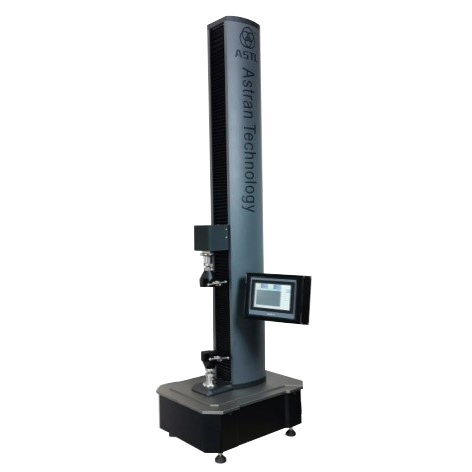
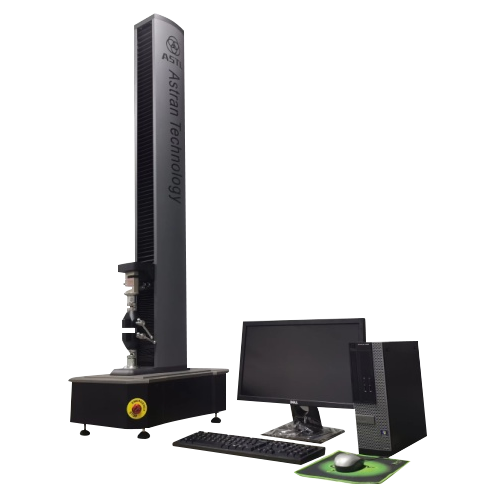
Electronic Fiber Tensile Strength Test Machine (Single Column ) ASTRAND
View more




中文
English


24-Hour Hotline
+86 130 6682 0203 Sarah

E-mail Us
sarah@astrand-martindale.com

Categories
New Products
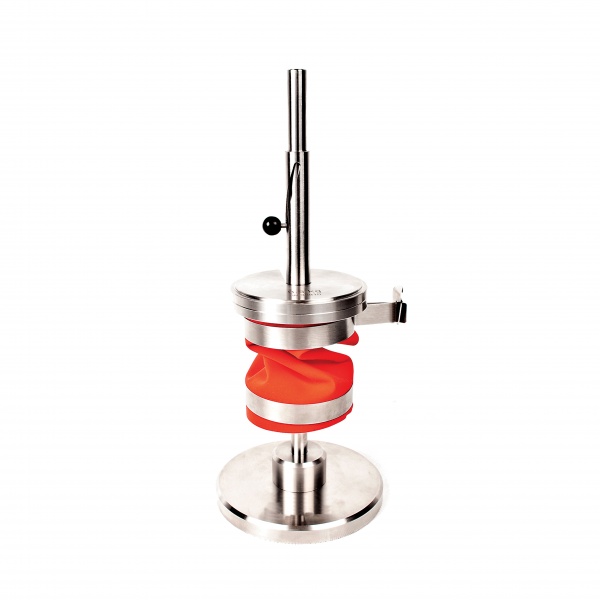

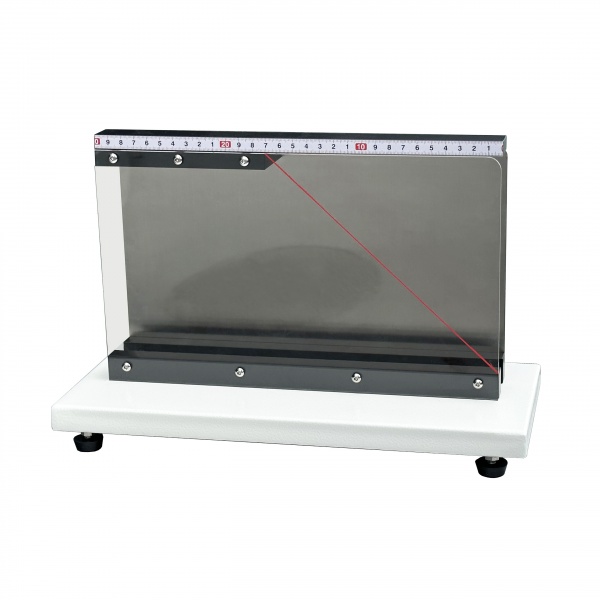

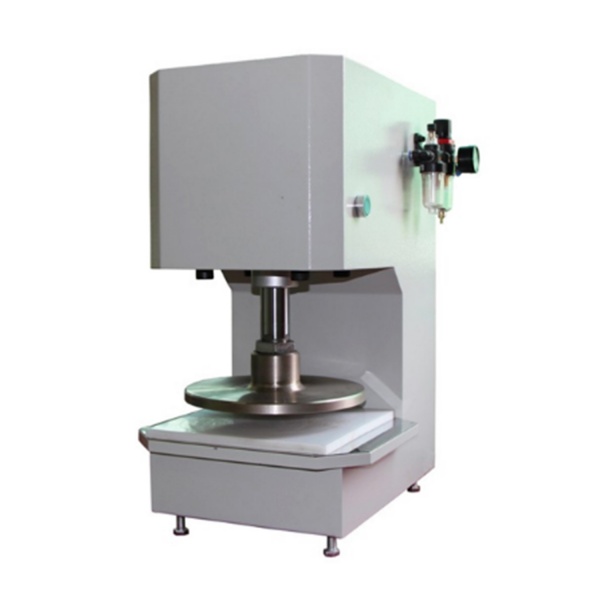
Fundamentals of Woven Fabric Testing – Essential Testing Items Explained
Time: 2025-07-14 15:28:31
Author: Sarah
From: Dongguan Astrand Electronic Technology Co.,Ltd
Click:
Fundamentals of Woven Fabric Testing – Essential Testing Items Explained
Introduction
In the textile industry, fabrics are broadly classified into two primary categories based on their manufacturing techniques: woven fabrics and knitted fabrics. Each category exhibits distinct structural characteristics that influence the types of quality tests required. While tests such as color fastness and chemical property assessments are commonly applied to both woven and knitted textiles, the physical testing protocols vary significantly.
Woven fabrics, due to their interlaced yarn structure, generally demand a more comprehensive and rigorous suite of physical tests compared to knitted fabrics, which feature interlooped yarns and exhibit greater elasticity. Understanding these differences is crucial for textile manufacturers, quality control specialists, and product developers to ensure fabric performance meets both functional and aesthetic requirements.
This guide provides a detailed overview of the key testing items typically applied to woven fabrics. It aims to clarify which tests are essential for various fabric types and how these evaluations contribute to overall fabric quality and product reliability.
Comprehensive Testing Categories for Woven Fabrics
Testing woven fabrics encompasses several critical categories, each targeting specific fabric properties to provide a holistic evaluation:
A. Structural Composition Testing
Structural composition tests reveal the fundamental characteristics of the fabric’s physical makeup. These include:
- Fibre Content Analysis: Determinesthe percentage composition of fibers (natural, synthetic, or blended),which directly influences fabric behavior, care instructions, andregulatory compliance.
- Yarn Linear Density: Measures thethickness or fineness of yarns, impacting fabric weight, texture, anddurability.
- Yarn Twist: Assesses the degree oftwist in spun yarns, which affects yarn strength and fabric hand feel.
- Fabric Density: Quantifies warp andweft yarn count per unit length, influencing fabric weight, strength, andappearance.
- Weave Pattern Classification:Identifies the weave type (plain, twill, satin, etc.) that determinestexture, drape, and durability.
- Weight per Unit Area: Providesfabric weight expressed as grams per square meter (g/m²), critical forperformance specifications.
- Thickness Measurement: Evaluatesfabric thickness, particularly important for coated or layered fabrics.
- Fabric Width & Effective Width:Ensures fabric meets customer width specifications and optimizes materialusage by excluding unusable edge areas.
B. Tensile and Mechanical Performance Testing
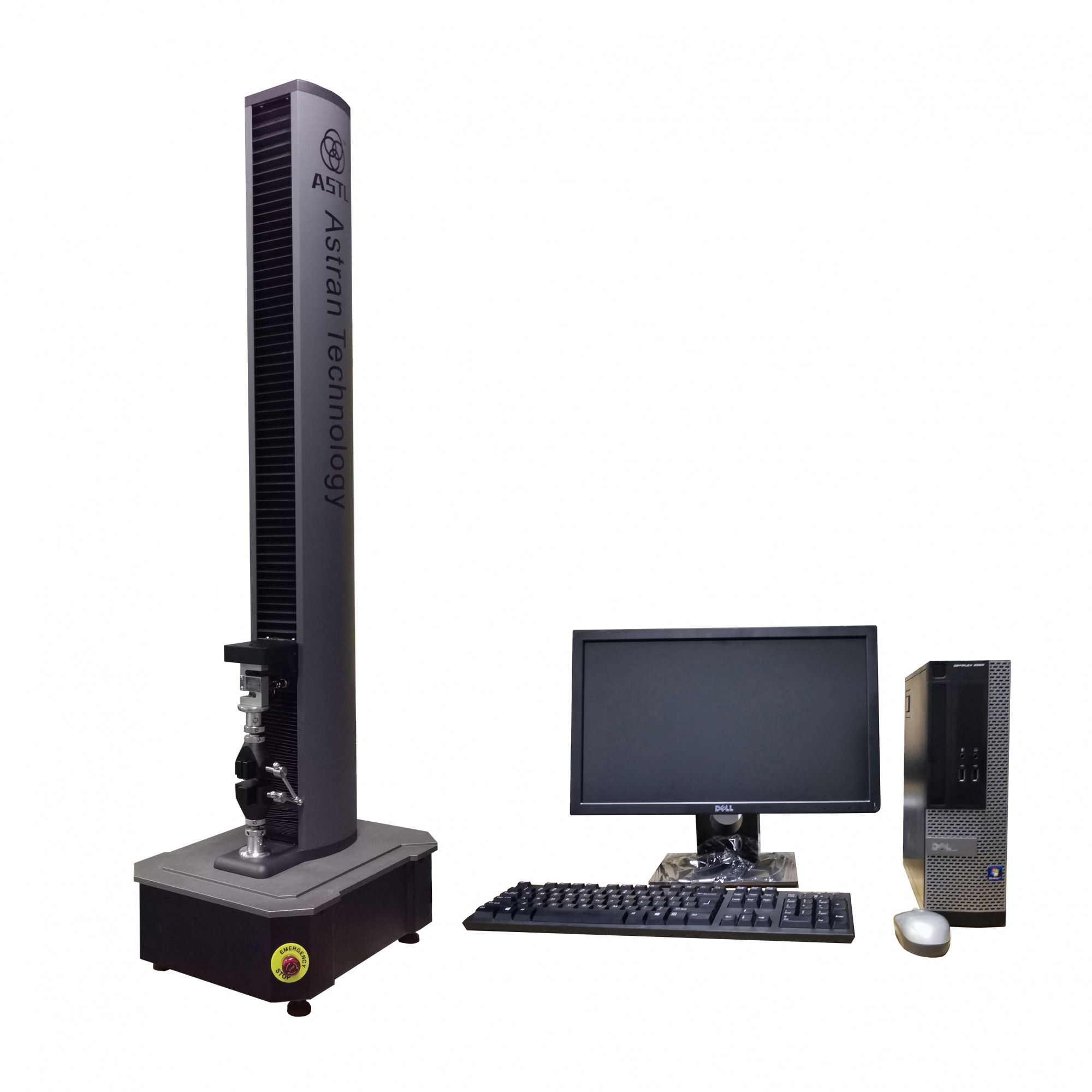
These tests evaluate the fabric’s mechanical strength, elasticity, and resistance to forces encountered during wear and manufacturing processes:
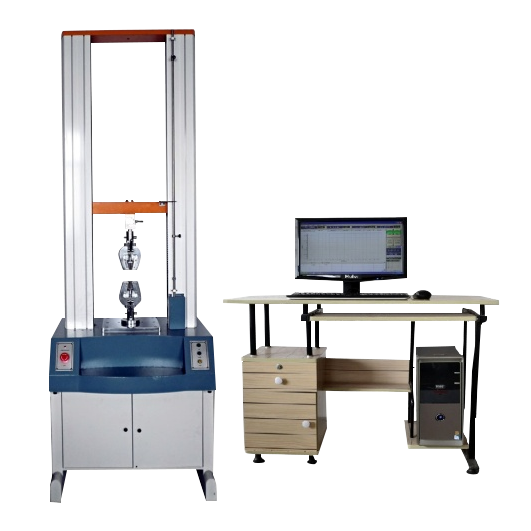
- Tensile Breaking Strength & Elongation: Measures the maximum force the fabric can withstand beforebreaking, alongside its elongation capacity, reflecting durability andcomfort.
- Tear Strength: Assesses the forcerequired to propagate a tear in the fabric, critical for determiningresistance to rips during use.
- Seam Performance: Tests seamslippage, seam strength, and overall seam efficiency to predict garmentconstruction reliability.
- Elastic Recovery and Elongation:Measures the fabric’s ability to stretch under tension and return to itsoriginal dimensions, indicating resilience.
- Ball Burst Strength: Evaluatesresistance to multidirectional forces, simulating impacts or pressures onupholstery or technical fabrics.
- Hydraulic Burst Strength: Measuresresistance to water pressure, essential for waterproof or protectivefabrics.
C. Dimensional and Structural Stability Testing
These tests analyze how fabrics respond to environmental and care conditions, ensuring longevity and maintaining garment shape:
- Dimensional Changes: Tests fabricshrinkage or growth after washing, dry cleaning, steaming, ironing, andsoaking.
- Post-Wash Twist Rate: Measuresfabric twisting or distortion post-laundering, important for maintaininggarment appearance.
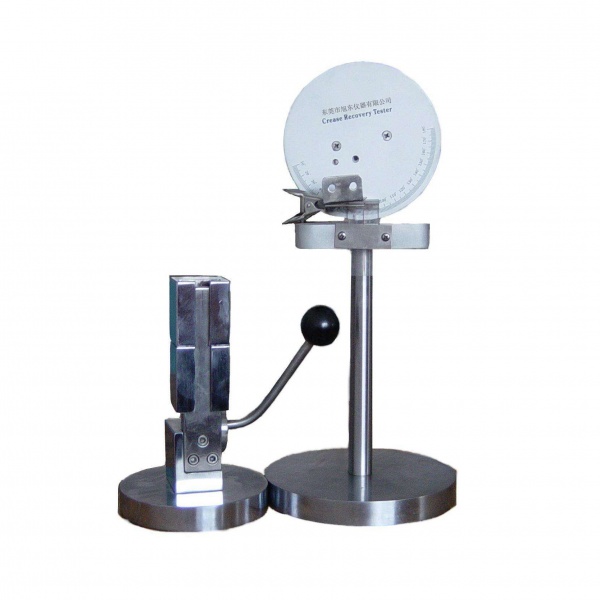
- Surface Smoothness & Crease Recovery: Evaluates wrinkle formation and smoothness after cleaningprocesses, influencing visual appeal and comfort.
D. Aesthetic and Wear Performance Testing
Visual and tactile properties significantly affect consumer acceptance and perceived quality. These tests include:
- Abrasion Resistance: Determinesfabric durability against rubbing and wear, important for high-useapplications like upholstery or workwear.
- Color Fastness: Evaluatesresistance to fading or staining during washing, rubbing, perspiration,and exposure to light.
- Pilling Resistance: Measurestendency to form surface fuzzballs or pills, which degrade appearance.
- Drape: Assesses how fabric falls orfolds, influencing garment fit and style.
- Wrinkle Recovery: Tests fabric’sability to resist or recover from creases.
- Snag Resistance: Evaluatessusceptibility to yarn pulling or loops formation when caught on roughsurfaces.
E. Additional Functional Property Testing
Modern textiles often incorporate advanced functionalities to meet specific end-use requirements. These tests assess:
- Breathability and Moisture Management: Measures fabric’s capacity to wick sweat away and allow aircirculation, enhancing wearer comfort.
- Quick-Drying Performance: Importantfor activewear and outdoor fabrics.
- Anti-Static Properties: Preventsstatic electricity buildup, enhancing comfort and safety in sensitiveenvironments.
- Flame Retardancy: Tests fabricresistance to ignition and flame spread, critical for protective clothing.
- UV Protection: Assesses ability toblock harmful ultraviolet radiation.
- Waterproofing & Water Pressure Resistance: Evaluates impermeability to liquids under various pressures.
- Oil and Stain Repellency: Testssurface resistance to contamination.
- Thermal Insulation & Cold Resistance: Measures ability to retain heat or resist low temperatures.
- Insect and Mite Resistance:Particularly relevant for outdoor or tropical applications.
- Special Functional Finishes:Includes far-infrared heat retention, cooling effects, antimicrobialfinishes, and others enhancing fabric utility.
Detailed Descriptions of Key Tests
Understanding the specifics of each key test is essential for accurately evaluating woven fabric quality. Below, we expand on the most critical tests, their methodologies, significance, and practical considerations.
1. Fibre Content Testing
Significance:
Fibre content analysis is the cornerstone of fabric identification and quality control. Accurate knowledge of fibre composition not only informs consumers about the material’s properties—such as breathability, durability, and care requirements—but also ensures compliance with legal labeling standards and industry regulations.
Testing Methods:
- Microscopic Analysis: Usinghigh-power microscopes, technicians examine fiber morphology todistinguish between natural fibers (cotton, wool, linen) and synthetics(polyester, nylon). This technique is especially effective for blendswhere fiber types differ visibly.
- Chemical Dissolution: Specificsolvents dissolve targeted synthetic fibers, allowing quantitativeseparation. For example, acetone may dissolve acetate fibers, while formicacid targets certain nylons. This method requires careful reagent controlto avoid cross-reactivity.
- Manual Separation: In blendscontaining spandex or elastane, technicians manually separate fibers undermagnification to ensure precise composition measurement. Thoughtime-consuming, this method is highly accurate for complex blends.
Important Considerations:
- Surface finishes, such as coatings, waterproof membranes, orresin treatments, must be removed before testing to prevent inaccuratereadings.
- Dyes and finishing agents can alter solubility and fiberappearance, requiring pre-treatment steps.
- Labelling tolerances are strictly regulated. For example, a100% cotton fabric must contain no less than 99.5% cotton, while blendedfabrics allow small deviations.
Regulatory Compliance:
Standards such as GB/T 29862-2013 in China, ASTM D629, and ISO 1833 provide guidelines for testing protocols and labeling requirements.
2. Yarn Linear Density (Tex, Denier)
Significance:
Yarn linear density defines the thickness or fineness of individual yarns and directly influences fabric weight, texture, drape, and strength. It is especially critical in luxury fibers (e.g., fine wool or cashmere) and high-performance textiles.
Testing Techniques:
- Gravimetric Method: Weighing aknown length of yarn to calculate tex (grams per 1000 meters) or denier(grams per 9000 meters).
- Instrumental Measurement: Automatedinstruments can rapidly measure yarn thickness and evenness.
Technical Notes:
- Yarn linear density can vary after fabric processing steps suchas sizing, dyeing, or finishing, necessitating post-production testing.
- Acceptable tolerance is typically ±5%, but tighter control isneeded for high-end or technical fabrics.
3. Yarn Twist
Significance:
Twist affects yarn strength and fabric hand feel. Proper twist enhances fiber cohesion, improving tensile strength, abrasion resistance, and overall durability. However, excessive twist may lead to harshness or reduced elasticity.
Measurement Methods:
- Direct Counting: Counting thenumber of twists per unit length visually or with a twist counter.
- Untwisting Method: Untwisting yarnsamples to measure total twist imparted.
Limitations:
- Twist measurement is less relevant for filament yarns wherefibers are continuous.
- Testing accuracy can be affected by yarn irregularities andoperator technique.
4. Fabric Density (Ends and Picks per Inch)
Significance:
Fabric density refers to the number of warp (ends) and weft (picks) yarns per unit length and is a critical factor affecting mechanical properties such as strength, flexibility, and dimensional stability.
Testing Procedure:
- Counting ends and picks within a measured length undermagnification.
- Evaluating density uniformity across fabric width and length.
Impact:
- Higher density fabrics are generally stronger and more durablebut less breathable.
- Changes in density affect shrinkage rates and seam integrity.
5. Weave Pattern Classification
Significance:
Weave type defines the fabric’s visual appearance, texture, and performance characteristics. Common weaves include plain, twill, satin, basket, and dobby, each imparting distinct qualities.
Assessment:
- Usually determined visually or microscopically pre-production.
- Detailed weave analysis aids in troubleshooting defects andensuring fabric consistency.
Note:
No standardized testing method is mandated as weave patterns are inherent to production design.
6. Weight per Unit Area (GSM)
Significance:
Fabric weight, expressed in grams per square meter (GSM), is a universal parameter affecting fabric durability, drape, and comfort. For technical textiles (e.g., tents, protective clothing), weight determines performance under use conditions.
Measurement:
- Weighing a precisely cut fabric sample and calculating GSM.
- Repeat measurements ensure batch consistency.
Application:
- Variations in weight indicate potential issues with yarndensity, coating application, or finishing.
7. Fabric Thickness
Significance:
Thickness is critical for fabrics requiring thermal insulation, cushioning, or specific tactile properties, such as upholstery or technical outerwear.
Testing Method:
- Use of thickness gauges or micrometers under specifiedpressure.
- Measurements at multiple points to assess uniformity.
Special Considerations:
- Coated or laminated fabrics require attention to both fabricbase and coating thickness.
- Thickness influences fabric stiffness and hand feel.
8. Fabric Width and Effective Width
Significance:
Fabric width must align with customer specifications for efficient garment cutting and material utilization. Effective width excludes unusable selvedge areas with needle holes or defects.
Testing Procedure:
- Measuring overall fabric width.
- Calculating effective width by deducting defective edges.
Importance:
- Maximizes material yield.
- Reduces production waste and costs.
Conclusion
Effective woven fabric testing balances comprehensive quality assurance with cost efficiency. Prioritizing essential tests like fiber content and tensile strength ensures compliance and durability, while selective performance tests optimize product features without unnecessary expense. A deep understanding of fabric properties, end-use demands, and testing methodologies empowers manufacturers and brands to deliver superior textile products that meet market expectations.
If you need expert advice on textile testing methods or wish to learn more about testing equipment, feel free to contact us:
- WhatsApp: +86 13066820203
- Email: sarah@astrand-martindale.com

点击右上角
分享给朋友吧







 Long by picture save/share
0
Your liking is the energy source that I persist in writing
YouArticle
已有0人推荐
CONTACT US
 No. 94, Chenwu Section, Guantai Road, Houjie
Town, Dongguan City
 E-mail: sarah@astrand-martindale.com
jack@astrand-martindale.com
 Tel: (+86) 186 8867 2626 Jack
 Tel: (+86) 130 668 20203 Sarah
HOT TAGS
LATEST NEWS
SUBSCRIBE
Please read on, stay posted, subscribe, and we welcome you to tell us what you think.
Copyright © 2022 Dongguan Astrand Electronic Technology Co., Ltd. All Rights Reserved | Log in
Copyright © 2022 Dongguan Astrand Electronic Technology Co., Ltd. All Rights Reserved