 Astrand Electronic
Electronic Fiber Tensile Strength Test Machine (Single Column ) ASTRAND
View more




中文
English


24-Hour Hotline
+86 130 6682 0203 Sarah

E-mail Us
sarah@astrand-martindale.com

Categories
New Products
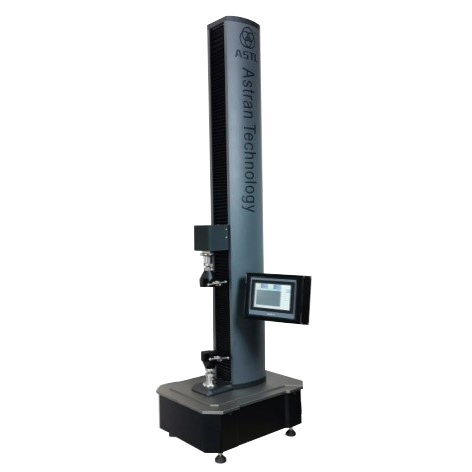
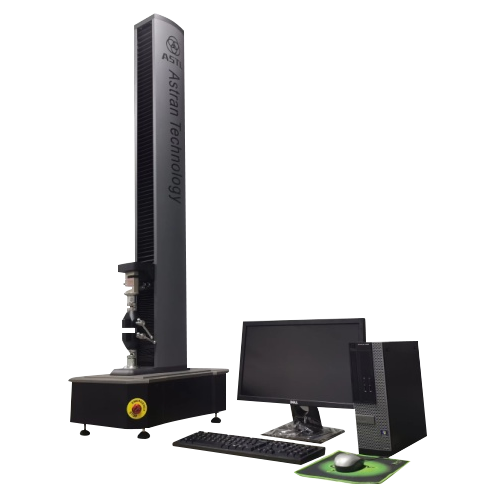
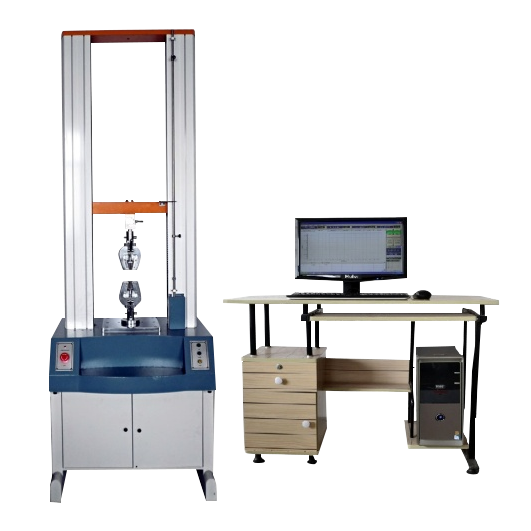
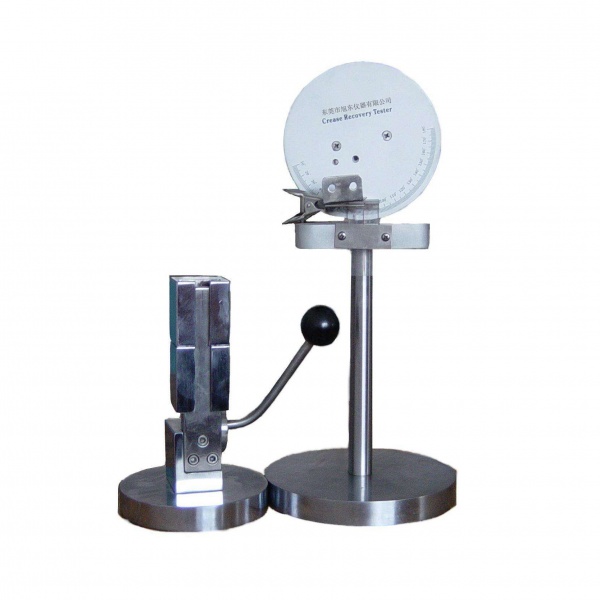


Apparel Testing Insights: Key Non-Conformities, Risks, and How to Improve — Free Sample Testing Available!
Time: 2025-07-17 16:34:34
Author: Sarah
From: Dongguan Astrand Electronic Technology Co.,Ltd
Click:
Apparel Testing Insights: Key Non-Conformities, Risks, and How to Improve — Free Sample Testing Available!
Introduction
In the competitive world of apparel manufacturing and retail, ensuring product compliance is not just a regulatory obligation—it is a critical factor in safeguarding consumer health, maintaining brand reputation, and reducing costly returns. Apparel products that fail to meet quality and safety standards can cause skin irritation, allergic reactions, and other health hazards, while also affecting product longevity and performance.
This guide explores the most common testing non-conformities in textile and apparel production, the potential health and safety risks they pose, and practical strategies manufacturers can adopt to prevent these issues. Whether you are a textile producer, garment manufacturer, quality control professional, or brand owner, understanding these factors is key to ensuring product excellence and market acceptance.
1. Color Fastness Testing — Risks, Causes, and Solutions
Risk of Non-Compliance
- Health Risks: Dyes and associated heavy metal ions may leach out, penetrate the skin, and lead to dermatological issues or systemic toxicity.
- Cross-Staining: Color transfer during washing can ruin other garments and affect consumer satisfaction.
- Reputation Damage: Persistent color fastness failures harm brand credibility and increase product returns.
Common Causes
- Inadequate dyeing techniques or wrong dye selection for the fiber type.
- Excessive unfixed dye residues due to improper post-dyeing washing or soaping.
- Use of low-quality additives or colorants incompatible with washing and light exposure.
Improvement Strategies
- Dye Selection: Choose high-performance dyes compatible with the intended fiber and use case.
- Use of Fixatives: Employ appropriate fixatives to bind dyes firmly to fibers, especially for water-soluble dyes.
- Optimized Washing and Soaping: Implement controlled washing processes with effective surfactants to minimize loose dyes.
- Additive Management: Select auxiliaries that enhance fastness without compromising dye stability.
Relevant Standards & Test Methods:
- Color Fastness to Washing: ISO 105-C06 / AATCC 61
- Color Fastness to Rubbing (Crocking): ISO 105-X12 / AATCC 8
- Color Fastness to Light: ISO 105-B02 / AATCC 16
Recommended Testing Instruments:

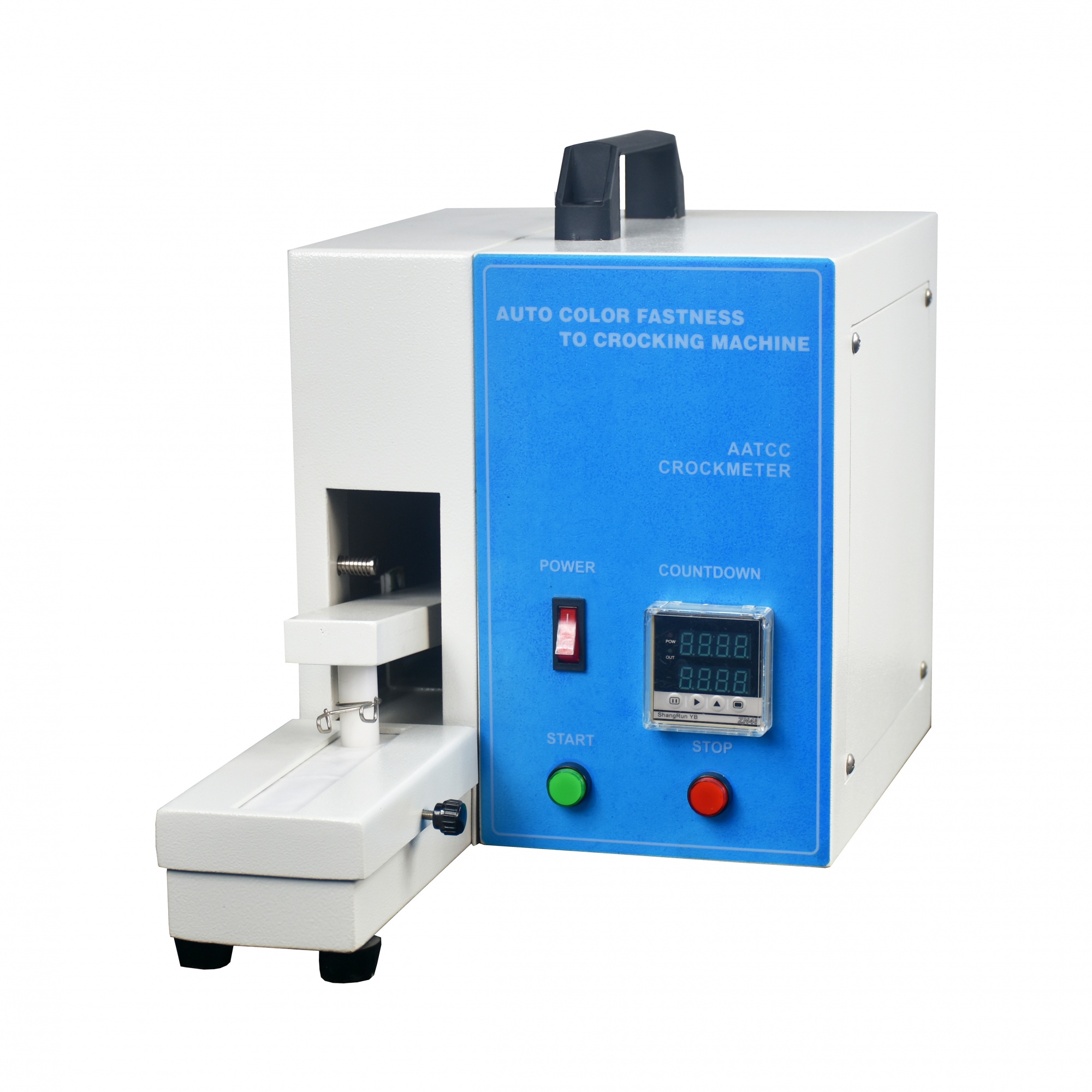
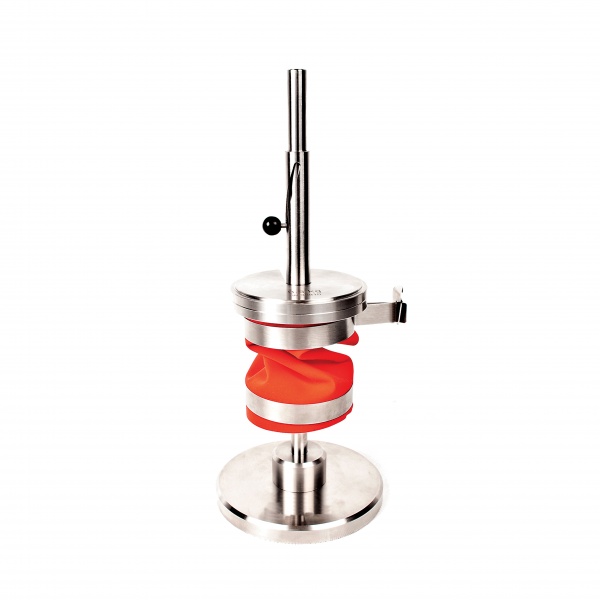
2. Dimensional Stability Testing — The Shrinkage Challenge
Risk of Non-Compliance
- Fit and Comfort Issues: Excessive shrinkage can alter garment dimensions, affecting wearability.
- Structural Deformation: Fabrics may lose shape over time, potentially causing safety risks.
- Consumer Dissatisfaction: Shrinking beyond tolerance leads to product complaints and returns.
Common Causes
- Lack of effective pre-shrinkage treatments.
- Incorrect sewing techniques leading to seam-induced deformation.
- Inappropriate care labeling or unclear washing instructions.
Improvement Strategies
- Mechanical Pre-Shrinking (Sanforizing): Use controlled mechanical shrinking before garment production.
- Optimize Sewing Parameters: Adjust tension settings to prevent puckering and distortion.
- Accurate Care Labels: Provide clear and tested laundering instructions.
Relevant Standards & Test Methods:
- Dimensional Change after Washing and Drying: ISO 5077 / AATCC 135
- Seam Appearance after Laundering: AATCC 88B
- Puckering Resistance Test: ASTM D4032
Recommended Testing Instrument:
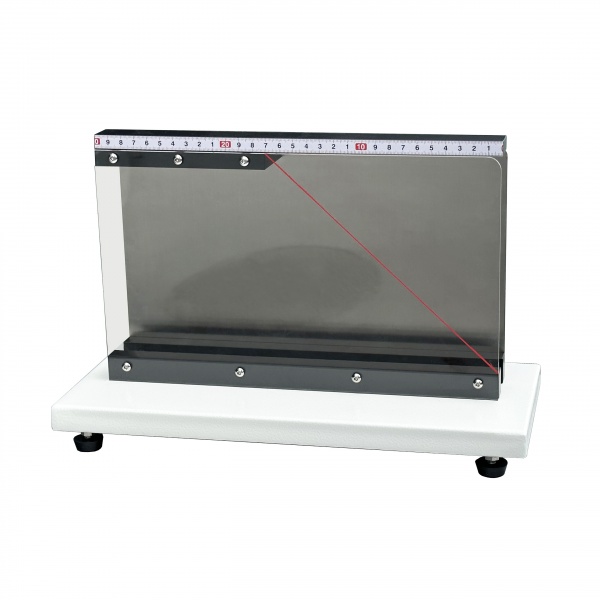
- Shrinkage Tester
3. Abrasion Resistance — Ensuring Wear Durability
Risk of Non-Compliance
- Reduced Lifespan: Premature wear leads to early fabric degradation.
- Aesthetic Deterioration: Pilling, fuzzing, or surface damage impacts visual appeal.
- Safety Concerns: Low abrasion resistance compromises industrial or protective wear.
Root Causes
- Low intrinsic fiber strength or poor-quality yarn.
- Inadequate fabric structure for the intended application.
Improvement Strategies
- Material Selection: Choose high-tenacity fibers or blends for durability.
- Fabric Engineering: Optimize weave or knit structures.
Relevant Standards & Test Methods:
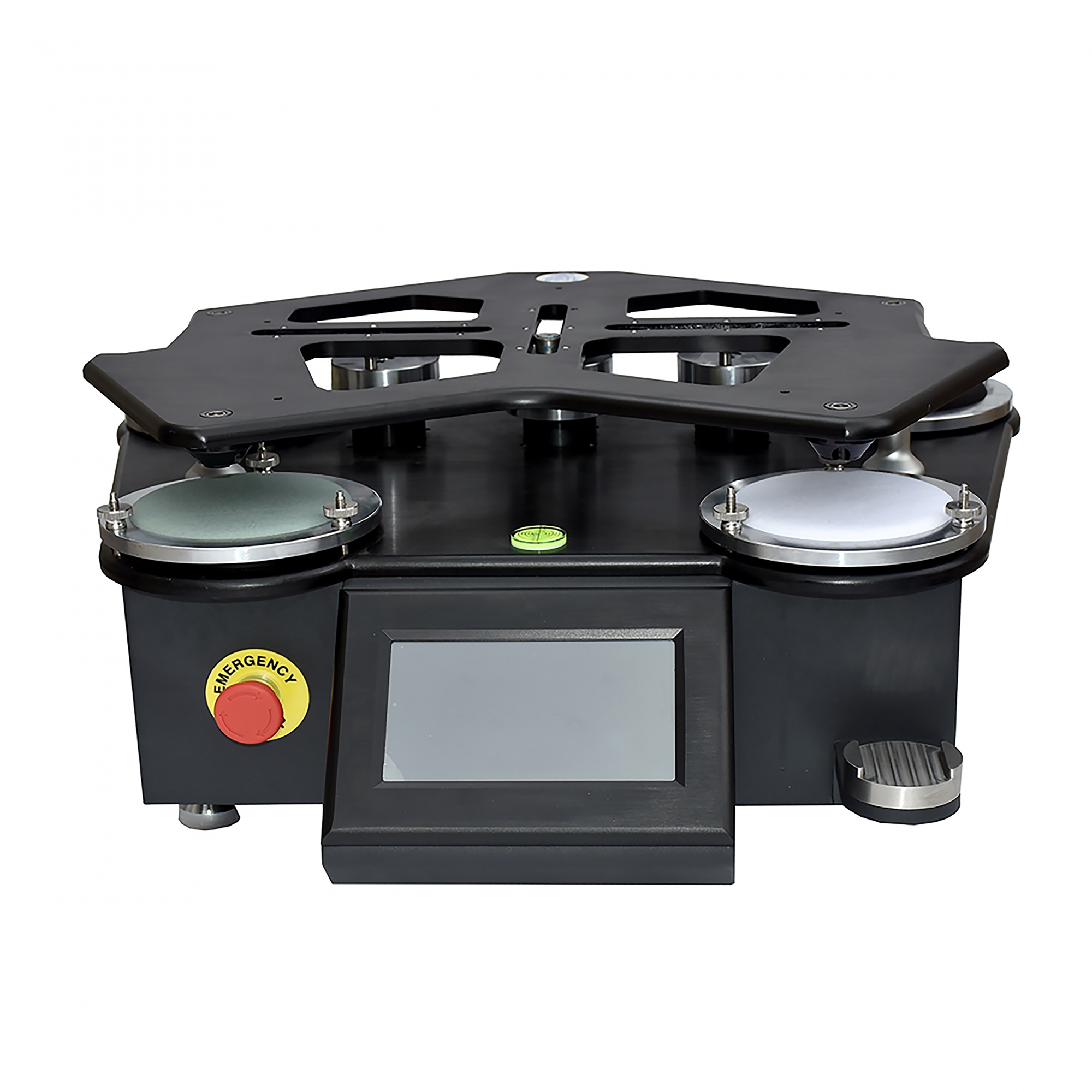
- Abrasion Resistance (Martindale Method): ISO 12947-2 / ASTM D4966
- Pilling Resistance: ISO 12945-2 / ASTM D4970
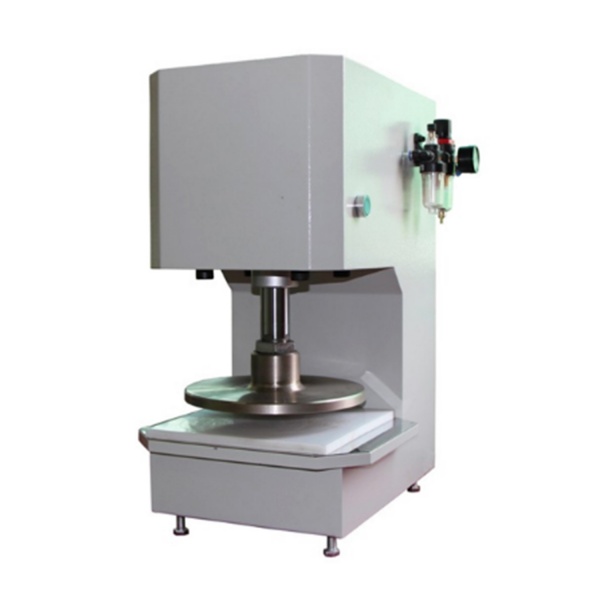
Recommended Testing Instrument:
4. pH Value Testing — Skin Safety Under Control
Risks of pH Deviations
- Skin Irritation: Extreme pH levels can cause rashes, dermatitis, or allergic reactions.
- Immune Responses: Chronic exposure to improper pH levels may trigger immune disorders.
Causes
- Skipping neutralization step for cost-cutting.
- Use of unstable dyes requiring non-neutralizing processes.
Improvement Strategies
- Post-Dyeing Neutralization: Utilize stable acids (e.g., citric acid) for pH adjustment.
- Process Control: Implement consistent washing and neutralization processes.
Relevant Standards & Test Methods:
- Determination of pH: ISO 3071 / AATCC 81
Recommended Testing Tools:
- pH Meter
- pH Indicator Strips
- Automatic Sample Cutter
5. Formaldehyde Content — Managing Chemical Risks
Risks of Formaldehyde Exposure
- Respiratory irritation, skin sensitization, potential systemic toxicity.
- Chronic exposure linked to severe health outcomes.
Sources
- Resins, cross-linking agents, anti-wrinkle treatments, adhesives.
Improvement Strategies
- High-Temperature Curing: Promote formaldehyde release before reaching consumers.
- Formaldehyde Removers: Apply scavengers post-finishing.
- Chemical Selection: Use low-formaldehyde or formaldehyde-free alternatives.
Relevant Standards & Test Methods:
- Determination of Formaldehyde: ISO 14184-1 (Free and Hydrolyzed Formaldehyde) / AATCC 112
6. Azo Dyes and Carcinogenic Amines — The Zero-Tolerance Hazard
Risks
- Release of carcinogenic aromatic amines, DNA damage risks.
Causes
- Use of restricted azo dyes in production.
Solution
- Prevention Only: Contaminated fabrics must be scrapped—no remediation possible.
Relevant Standards & Test Methods:
- Aromatic Amines Determination: EN 14362-1 / GB/T 17592 / ISO 14362-1
7. Heavy Metals in Textiles — A Hidden Toxic Threat
Risks of Overexposure
- Chronic poisoning, developmental disorders, environmental harm.
Causes
- Metal-based dyes, catalysts, pigments, antimicrobial agents.
Improvement Strategies
- Chemical Screening: Choose dyes and auxiliaries with low/no heavy metals.
- Process Control: Avoid heavy metal catalysts where feasible.
Relevant Standards & Test Methods:
- Heavy Metal Content Determination: EN 16711-2 (ICP-MS) / ISO 105-E04 (Color Fastness to Perspiration + Metal Migration)
8. Phthalates in Textile Products — Protecting Consumer Health
Risks
- Endocrine disruption, reproductive toxicity, long-term health impacts.
Causes
- Overuse of phthalate-containing plasticizers in prints, coatings, or accessories.
Improvement Strategies
- Additive Control: Restrict phthalates or replace with safe alternatives.
- Compliance Testing: Monitor finished products regularly.
Relevant Standards & Test Methods:
- Phthalates Determination: EN 14372 / CPSC-CH-C1001-09.4
Free Sample Testing Offer – Take Action Today!
Ensure your products meet global compliance standards with our Free Sample Testing Service. Our professional team provides precise testing and actionable improvement suggestions.
???? Follow our official account for updates and promotions.
???? Add our WeChat customer service for direct consultation.
Contact Us for Expert Testing Solutions
???? WhatsApp: +86 13066820203
???? Email: sarah@astrand-martindale.com

点击右上角
分享给朋友吧







 Long by picture save/share
0
Your liking is the energy source that I persist in writing
YouArticle
已有0人推荐
CONTACT US
 No. 94, Chenwu Section, Guantai Road, Houjie
Town, Dongguan City
 E-mail: sarah@astrand-martindale.com
jack@astrand-martindale.com
 Tel: (+86) 186 8867 2626 Jack
 Tel: (+86) 130 668 20203 Sarah
HOT TAGS
LATEST NEWS
SUBSCRIBE
Please read on, stay posted, subscribe, and we welcome you to tell us what you think.
Copyright © 2022 Dongguan Astrand Electronic Technology Co., Ltd. All Rights Reserved | Log in
Copyright © 2022 Dongguan Astrand Electronic Technology Co., Ltd. All Rights Reserved