 Astrand Electronic
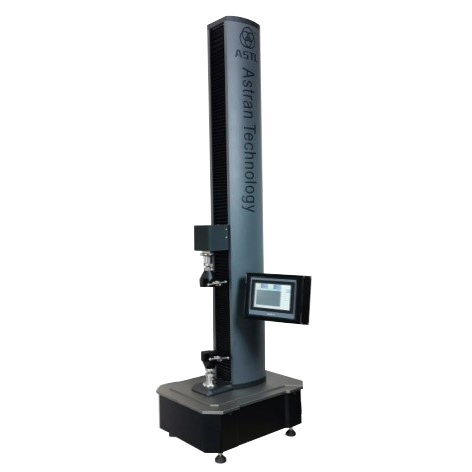
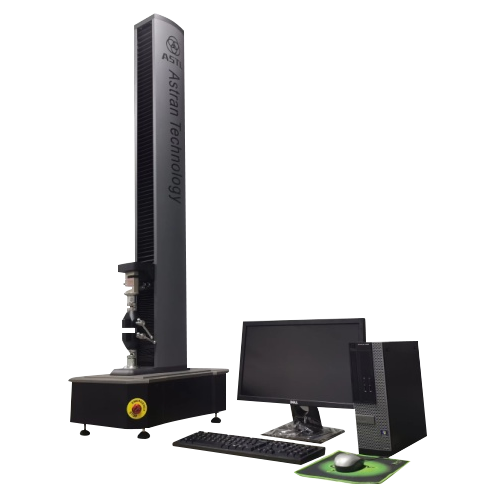
Electronic Fiber Tensile Strength Test Machine (Single Column ) ASTRAND
View more




中文
English


24-Hour Hotline
+86 130 6682 0203 Sarah

E-mail Us
sarah@astrand-martindale.com

Categories
New Products


Comprehensive Guide to Fabric Shrinkage
Time: 2025-07-18 13:49:34
Author: Sarah
From: Dongguan Astrand Electronic Technology Co.,Ltd
Click:
Comprehensive Guide to Fabric Shrinkage
Fabric shrinkage is a critical factor in textile manufacturing and apparel production, directly affecting product quality, performance, and customer satisfaction. Understanding the mechanisms behind shrinkage and the factors that influence it is essential for fabric engineers, quality controllers, and manufacturers seeking to optimize processes and meet industry standards.
What Is Fabric Shrinkage?
Fabric shrinkage refers to the reduction in dimensions (length and width) of yarn after it has been woven into fabric. In its natural state, yarn remains straight when held under tension. However, once woven, yarns interlace in a specific pattern, causing them to bend, curl, and form a crimped structure within the fabric.
This inherent bending means the total length of yarn contained within a given area of fabric is less than if the yarn were fully extended. The difference between the yarn's straightened length and its length within the woven structure is quantified as shrinkage.
Shrinkage is expressed as a percentage and typically categorized into two directions:
- Warp (Meridional) Shrinkage: Lengthwise shrinkage along the warp direction.
- Weft (Latitudinal) Shrinkage: Widthwise shrinkage along the weft direction.
Key Point: Shrinkage affects not only the fabric’s dimensions but also its physical properties, such as tensile strength, thickness, density, flexibility, and overall appearance.

Primary Causes of Fabric Shrinkage
Shrinkage primarily occurs due to the interlacing and crimping of yarns during the weaving process. The main causes include:
- Yarn Bending and Curling: As yarns interweave, they bend at each interlacing point, forming a wave-like structure. This bending reduces the overall yarn length within the fabric.
- Interlacing Frequency: The number of times warp and weft yarns cross each other directly impacts how much the yarn bends.
- Crimp Depth: The height or amplitude of the yarn's curl within the weave determines the extent of shrinkage.
The degree of shrinkage can vary depending on multiple production and material parameters, including yarn type, weave pattern, fabric density, and processing conditions.
Manufacturing Implication: A fabric with higher shrinkage may require more yarn and raw materials to achieve the desired finished dimensions, potentially increasing production costs.
How to Accurately Measure Fabric Shrinkage
Fabric shrinkage is typically measured through a standardized process that involves extracting, straightening, and measuring yarn from a fabric sample. Here's a step-by-step method based on recognized industry standards:
1. Warp (Lengthwise) Shrinkage Calculation
Formula:
Warp Shrinkage (%) = [(Straightened Yarn Length - Fabric Yarn Length) / Straightened Yarn Length] × 100
Example:
- Fabric warp length: 22 cm
- Two straightened yarn measurements: 23.4 cm and 23.6 cm
- Average length: 23.5 cm
Result: Warp shrinkage = 6.38%
2. Weft (Widthwise) Shrinkage Calculation
Formula:
Weft Shrinkage (%) = [(Straightened Yarn Length - Fabric Yarn Length) / Straightened Yarn Length] × 100
Example:
- Fabric weft length: 25.5 cm
- Two straightened yarn measurements: 27.0 cm and 27.2 cm
- Average length: 27.1 cm
Result: Weft shrinkage = 5.9%
Critical Factors Influencing Fabric Shrinkage
1. Raw Material Composition
Different fibers exhibit varying shrinkage characteristics based on their flexibility, elasticity, and deformation properties.
| Fiber Type | Shrinkage Tendency |
| Cotton | High shrinkage due to natural flexibility and moisture sensitivity. |
Polyester | Low shrinkage due to rigidity and thermal stability. |
Blended Fibers | Vary depending on blend ratio and fiber interaction. |
Tip: Understanding fiber behavior helps in selecting appropriate materials for desired fabric performance.
2. Yarn Fineness (Linear Density)
- Coarser Yarns (Lower Count): Resist bending, leading to lower shrinkage.
- Finer Yarns (Higher Count): Tend to curl more easily, resulting in higher shrinkage, especially when used uniformly in both warp and weft.
3. Yarn Twist Level
- High Twist: Tighter, more rigid yarns with reduced flexibility, leading to less crimp and shrinkage.
- Low Twist: Looser, softer yarns that bend easily, increasing crimp and shrinkage potential.

4. Fabric Structure & Interlacing Points
- High Interlacing (e.g., Plain Weave): Increases crimp and shrinkage due to frequent yarn crossings.
- Low Interlacing (e.g., Satin Weave): Results in longer floats with minimal bending and reduced shrinkage.
5. Fabric Density
- High Density: Forces yarns into tighter spaces, increasing the degree of bending and resulting in greater shrinkage.
- Low Density: Allows yarns more freedom, reducing bending and shrinkage.

6. Weaving Machine Settings
- Tension Control:
- Shed Opening Timing:
7. Sizing Application
- High Sizing Percentage: Stiffens yarn, reducing flexibility and shrinkage.
- Low Sizing Percentage: Makes yarn more pliable, increasing shrinkage tendency.
Note: Proper sizing not only controls shrinkage but also improves weaving efficiency and fabric quality.
8. Environmental Conditions — Temperature & Humidity
- High Humidity & Temperature: Soften yarns, increase elasticity, generally reduce warp shrinkage, but may increase weft shrinkage.
- Low Humidity & Temperature: Yarns become stiffer, increasing shrinkage.
Environmental control in the weaving workshop is essential for consistent fabric production quality.

Relevant Testing Standards for Fabric Shrinkage
| Standard | Description |
ISO 7211-3 | Crimp measurement in woven fabrics |
ISO 5077 | Dimensional change due to washing/drying |
AATCC 135 | Fabric shrinkage after home laundering |
| ASTM D3774 | Fabric width measurement |
ASTM D3774 | Fabric width measurement |
ISO 2060 | Yarn count and linear density testing |
Practical Implications for Manufacturers
Controlling fabric shrinkage is vital to ensuring product consistency, minimizing production waste, and maintaining customer satisfaction. Manufacturers should:
- Monitor yarn properties and sourcing.
- Optimize weaving machine settings and production parameters.
- Apply appropriate sizing and finishing treatments.
- Regularly test shrinkage rates using standardized methods.
- Implement strict environmental controls within production facilities.
Get Expert Assistance in Fabric Testing
We offer comprehensive fabric testing solutions, including shrinkage analysis and technical consultation, to support manufacturers, brands, and quality control teams. Whether you need laboratory testing, equipment recommendations, or process optimization, our experts are here to help.
???? WhatsApp: +86 130 6682 0203
???? Email: sarah@astrand-martindale.com

点击右上角
分享给朋友吧







 Long by picture save/share
0
CONTACT US
 No. 94, Chenwu Section, Guantai Road, Houjie
Town, Dongguan City
 E-mail: sarah@astrand-martindale.com
jack@astrand-martindale.com
 Tel: (+86) 186 8867 2626 Jack
 Tel: (+86) 130 668 20203 Sarah
HOT TAGS
LATEST NEWS
SUBSCRIBE
Please read on, stay posted, subscribe, and we welcome you to tell us what you think.
Copyright © 2022 Dongguan Astrand Electronic Technology Co., Ltd. All Rights Reserved | Log in
Copyright © 2022 Dongguan Astrand Electronic Technology Co., Ltd. All Rights Reserved