 Astrand Electronic
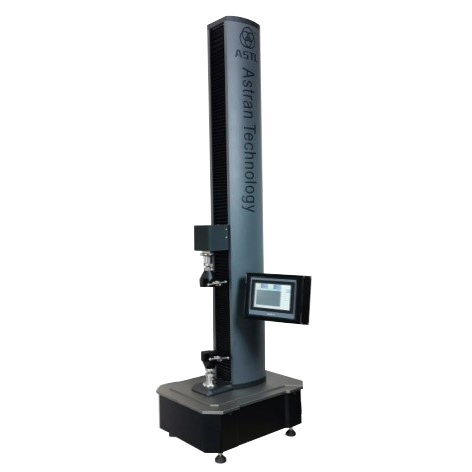
Electronic Fiber Tensile Strength Test Machine (Single Column ) ASTRAND
View more




中文
English


24-Hour Hotline
+86 130 6682 0203 Sarah

E-mail Us
sarah@astrand-martindale.com

Categories
New Products


Complete Guide to Fabric Shrinkage Testing for Textile Projects
Time: 2025-08-22 16:59:43
Author: Sarah
From: Dongguan Astrand Electronic Technology Co.,Ltd
Click:
Fabric shrinkage is a natural yet critical phenomenon in the textile and apparel industry. If not properly controlled, it can compromise the fit, appearance, comfort, and durability of garments or home textiles. From luxury fashion houses to mass-market clothing manufacturers, controlling shrinkage is essential for delivering products that meet consumer expectations and industry standards.
This guide explores everything you need to know about fabric shrinkage testing—from its scientific basis and influencing factors to test methods, international standards, and best practices for managing shrinkage in your projects.
1. What is Fabric Shrinkage?

Fabric shrinkage refers to the reduction in fabric dimensions after exposure to water, heat, steam, or mechanical action. When fibers absorb moisture, they swell, increasing in diameter and altering their structural alignment. This leads to a shortening of fabric length or width compared to its original state.
Shrinkage is usually expressed as a percentage change relative to the original dimensions. For example:
 A higher shrinkage percentage means poorer dimensional stability, which can cause garments to lose shape, appear ill-fitted, or even become unusable after repeated washing.
2. Why Shrinkage Testing Matters for Your Projects
Whether you are developing fashion apparel, uniforms, sportswear, upholstery fabrics, or industrial textiles, shrinkage testing plays a decisive role in quality assurance.
- Garment Fit and Comfort: Even a 2–3% shrinkage rate can make agarment tight or unwearable.
- Aesthetic Appearance: Distortion in seams, puckering, ortwisting reduces visual appeal.
- Consumer Satisfaction: High shrinkage often leads to productreturns, negative reviews, or loss of brand credibility.
- Compliance: Many international markets (EU, US, Japan, China)require shrinkage testing for regulatory approval and buyerspecifications.
- Cost Savings: Identifying shrinkage early prevents expensiverecalls and re-manufacturing.
3. Factors Influencing Fabric Shrinkage
Shrinkage is not caused by a single factor but rather by the interaction of raw materials, fabric construction, and processing conditions. Below are the main influences:
3.1 Raw Materials & Fiber Type
- Natural Fibers (Cotton, Linen, Wool): Highly hygroscopic,absorbing significant moisture and shrinking more. Cotton may shrink 2–10%if untreated.
- Regenerated Fibers (Viscose, Modal): Even higher moistureabsorption than cotton, leading to more dramatic shrinkage.
- Synthetic Fibers (Polyester, Nylon, Acrylic): Low shrinkage dueto poor water absorption, though heat-sensitive.
- Blended Fabrics: Shrinkage depends on fiber ratio and finishingtreatments.
3.2 Fabric Density & Weave
- Balanced warp/weft densities → uniform shrinkage.
- Higher warp density → more warp shrinkage; higher weft density→ more weft shrinkage.
- High-density woven fabrics shrink less than loosely woven orknitted fabrics.
3.3 Yarn Thickness
- Coarse yarns → higher shrinkage rates.
- Fine yarns → lower shrinkage due to better packing stability.
3.4 Fabric Structure
- Woven Fabrics: More stable than knitted fabrics. Plain weaveshrinks less than twill or flannel.
- Knitted Fabrics: Ribbed structures shrink more than flat knitsdue to loop relaxation.
- Nonwovens: Generally stable but may deform under heat.
3.5 Production & Processing Tension
During weaving, dyeing, and finishing, fibers are stretched. Once washed, these tensions release, causing relaxation shrinkage. Longer processing time under higher tension = greater shrinkage risk.
3.6 Fiber Surface Characteristics
- Wool fibers have scales that cause felting shrinkage.
- Smooth synthetic fibers resist swelling and shrinkage.
3.7 Care and Laundering Conditions
- Machine washing causes more shrinkage than handwashing.
- Higher water temperature and aggressive mechanical actionincrease shrinkage.
- Tumble drying accelerates shrinkage compared to line drying.
4. What is Fabric Shrinkage Testing?
Fabric shrinkage testing is the systematic evaluation of dimensional changes in fabrics after washing, drying, steaming, or heat exposure under standardized conditions.
Objectives of Shrinkage Testing:
- Predict how fabrics or garments behave during consumer use.
- Ensure compliance with buyer specifications and exportrequirements.
- Assist designers in making informed fabric choices.
- Evaluate finishing treatments like pre-shrinking orheat-setting.
5. International Standards for Shrinkage Testing
To ensure consistency, fabric shrinkage is measured according to recognized standards. Commonly applied methods include:
- ISO 6330 / ISO 5077 – Standardized domestic washing/dryingprocedures.
- AATCC 135 / AATCC 150 – U.S. methods for dimensional change.
- GB/T 8629 & GB/T 8630 (China) – Testing methods based onISO standards.
- JIS L 1909 (Japan) – Japanese testing procedures.
- BS 4923 & EN 25077/26330 (Europe/UK) – Europeanequivalents.
- IWSTM 31 / SATRA TM158 – Specialized industrial shrinkagetests.
6. Fabric Shrinkage Test Methods
One of the most widely used instruments is the Wascator Shrinkage Tester, a laboratory-grade washing machine designed to simulate real-world washing conditions under strict control.
Step-by-Step Shrinkage Test Procedure
- Sample Preparation: Cut fabric specimens of standard dimensions(usually 50 cm × 50 cm). Mark reference points for accurate measurement.
- Machine Setup: Fill with the specified amount of water anddetergent. Adjust load capacity to prevent distortion.
- Load Sample: Place fabric in the drum, ensuring balanceddistribution.
- Program Selection: Choose test conditions (water temperature,cycle time, mechanical action) as per relevant standard.
- Washing Cycle: Conduct washing, rinsing, and spinning undercontrolled conditions.
- Drying: Use specified drying method (line dry, flat dry, tumbledry).
- Measurement: After drying, measure specimen dimensions andcalculate shrinkage percentage.
- Evaluation: Compare results with buyer or standardrequirements.
Beyond Shrinkage: Additional Assessments
Modern shrinkage testers can also evaluate:
- Spirality (Twisting of fabric after washing)
- Pilling Resistance
- Color Fastness to Washing
- Durability of Fabric Finishes
7. Managing and Reducing Fabric Shrinkage
Manufacturers can adopt several measures to minimize unwanted shrinkage:
- Pre-shrinking (Sanforizing): A mechanical treatment to compressfabrics before garment production.
- Heat Setting: Applied to synthetic fibers to stabilizedimensions under thermal conditions.
- Blending Fibers: Combining synthetic and natural fibersbalances comfort with stability.
- Special Finishes: Resin finishes, enzyme washes, or chemicaltreatments improve dimensional stability.
- Consumer Care Labels: Clear instructions for washing and dryingreduce user-induced shrinkage.
8. Applications of Shrinkage Testing
Shrinkage testing is vital across multiple industries:
- Fashion Apparel: Ensures garment sizing consistency.
- Sportswear & Activewear: Prevents distortion under frequentwashing.
- Home Textiles (Bedsheets, Curtains): Maintains fit afterlaundering.
- Industrial Textiles: Ensures stability in automotive interiors,protective gear, or upholstery.
9. Conclusion
Fabric shrinkage, while natural, poses a significant challenge to textile quality and consumer satisfaction. Understanding what causes shrinkage, how to test it, and how to control it is essential for anyone involved in textile production or garment manufacturing.
By applying standardized shrinkage testing methods—such as ISO 6330 or AATCC 135—and leveraging tools like the Automatic Wascator Shrinkage Tester, manufacturers and designers can anticipate dimensional changes, select fabrics more wisely, and deliver products with superior durability and reliability.
Ultimately, controlling fabric shrinkage is not just a technical requirement; it is a critical factor in building trust, brand reputation, and long-term success in the global textile market.
For expert advice on textile testing machines or standards:
- WhatsApp: +86 13066820203
- Email: sarah@astrand-martindale.com

点击右上角
分享给朋友吧







 Long by picture save/share
0
Prev : Comprehensive Guide to Types of Color Fastness Tests and Testers
Next : ICI Pilling and Snagging Tester XD-B15 – Complete Guide to Textile Durability Testing
Your liking is the energy source that I persist in writing
YouArticle
已有0人推荐
CONTACT US
 No. 94, Chenwu Section, Guantai Road, Houjie
Town, Dongguan City
 E-mail: sarah@astrand-martindale.com
jack@astrand-martindale.com
 Tel: (+86) 186 8867 2626 Jack
 Tel: (+86) 130 668 20203 Sarah
HOT TAGS
LATEST NEWS
SUBSCRIBE
Please read on, stay posted, subscribe, and we welcome you to tell us what you think.
Copyright © 2022 Dongguan Astrand Electronic Technology Co., Ltd. All Rights Reserved | Log in
Copyright © 2022 Dongguan Astrand Electronic Technology Co., Ltd. All Rights Reserved