 Astrand Electronic
Electronic Fiber Tensile Strength Test Machine (Single Column ) ASTRAND
View more




中文
English


24-Hour Hotline
+86 130 6682 0203 Sarah

E-mail Us
sarah@astrand-martindale.com

Categories
New Products
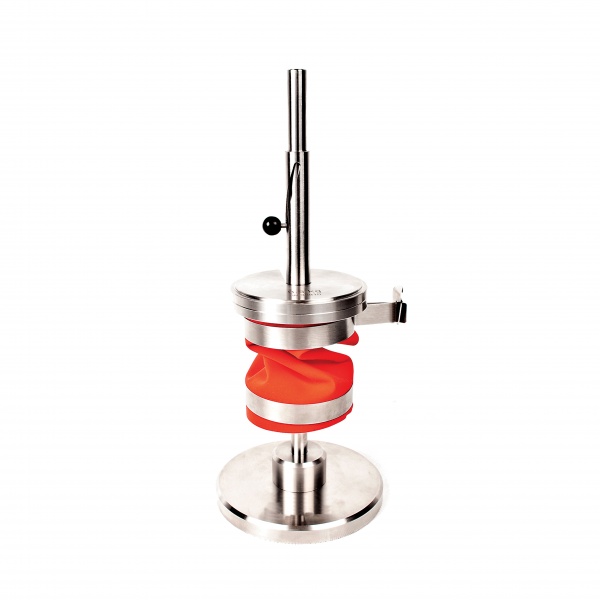

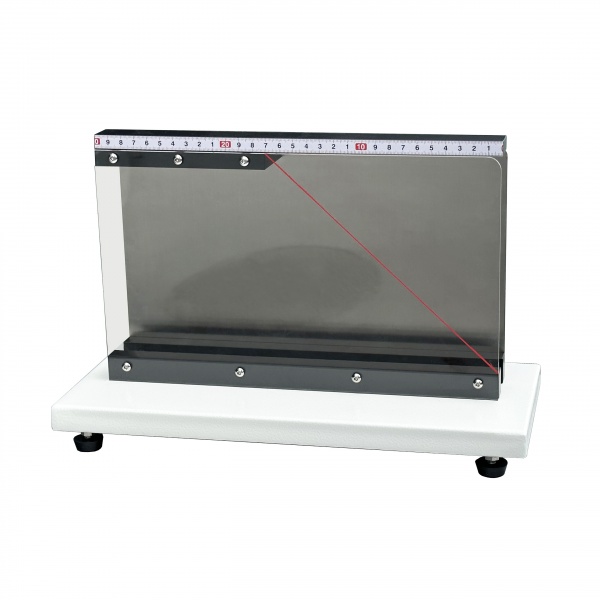

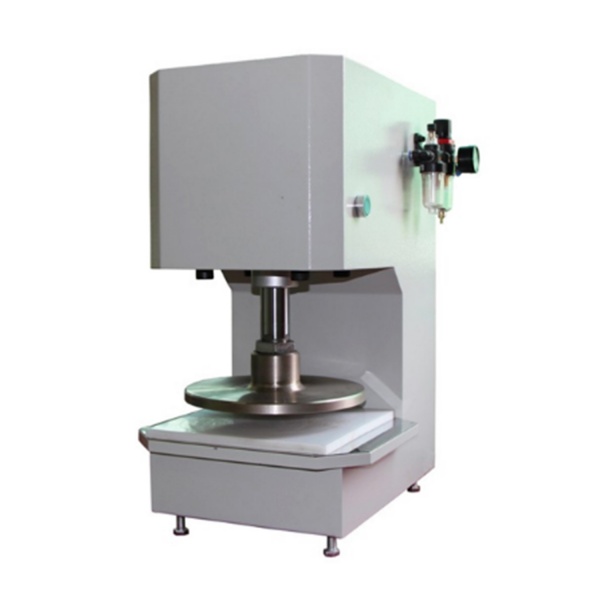
Complete Guide to Textile Color Fastness
Time: 2025-07-02 13:48:42
Author: Sarah
From: Dongguan Astrand Electronic Technology Co.,Ltd
Click:
一. Introduction to Color Fastness
Color fastness is a fundamental property of textiles that directly affects product quality, durability, safety, and consumer satisfaction. In this comprehensive guide, we delve into the meaning of color fastness, the risks of poor performance, the major types of fastness testing, and professional grading methods—all essential knowledge for textile manufacturers, quality control specialists, and apparel brands.
1. What Is Color Fastness?
Color fastness, also known as dye fastness, refers to the resistance of dyed or printed textiles to color fading or bleeding under various external conditions such as washing, light exposure, rubbing, perspiration, and heat. The level of fastness is typically determined by evaluating two aspects:
- Discoloration of the originalsample
- Staining on adjacent fabrics
Textiles used in daily life are frequently exposed to sunlight, detergent, sweat, mechanical abrasion, and finishing treatments. Therefore, maintaining good color fastness is crucial for ensuring long-term appearance and safety in use.
2. Why Color Fastness Matters: Risks of Poor Performance
Poor color fastness in textiles can cause serious issues:
- Aesthetic degradation: Fading orbleeding compromises visual quality.
- Health hazards: Released dyemolecules or heavy metal ions may be absorbed through the skin, posingpotential toxicity risks.
- Consumer complaints: Staining onskin or other garments can lead to product returns and brand damage.
- Non-compliance with regulations:Many global markets and buyers have strict color fastness requirementsbased on standards like ISO, AATCC, or GB.
Ensuring adequate fastness performance is not only a matter of quality but also of safety and legal compliance.
3. Common Types of Color Fastness
Color fastness tests are selected based on a textile's end-use application, fiber type, and target market requirements. Here are the most common categories:
3.1. Color Fastness to Rubbing
- Purpose: Evaluates a fabric’sresistance to color loss or transfer due to physical friction.
- Test methods: Both dry rubbingand wet rubbing are assessed.
- Grading: Ranges from Grade 1 (poor)to Grade 5 (excellent), based on staining on a standard white cloth.
3.2. Color Fastness to Light
- Purpose: Assesses how much colorfades due to sunlight or artificial light exposure.
- Relevance: Critical for curtains,outdoor textiles, and garments exposed to UV.
- Grading: Uses the ISO 105-B02 scalefrom Grade 1 (very poor) to Grade 8 (excellent).
3.3. Color Fastness to Washing
- Purpose: Measures how well a fabricretains color after laundering.
- Process: Includes washing atspecific temperatures with detergents.
- Grading: Uses a gray scale (Grade 1to Grade 5), with Grade 5 representing no color change or staining.
3.4. Color Fastness to Perspiration
- Purpose: Simulates color behaviorwhen exposed to acidic or alkaline sweat.
- Application: Essential forsportswear, underwear, and summer garments.
- Testing conditions: Often combinestemperature and humidity for realistic simulation.
3.5. Color Fastness to Ironing
- Purpose: Evaluates whether heatfrom ironing causes fading, discoloration, or dye transfer.
- Relevance: Important for formalwear, uniforms, and synthetic blends.
3.6. Color Fastness to Sublimation
- Purpose: Tests dye volatility underheat, especially during storage or processing.
- Common in: Disperse-dyed syntheticfabrics (e.g., polyester).
4. Key Concepts: Discoloration, Staining, and Migration
4.1 Discoloration
Refers to a change in color of the original fabric due to degradation of dye molecules or their detachment from fibers. It can result in dulling, fading, or hue shifts.
4.2 Staining
Occurs when dyes transfer from the dyed fabric to undyed or lighter fabrics during exposure to water, heat, sweat, or pressure. This is especially common during washing or storage.
4.3 Dye Migration (Color Transfer)
In garments with multiple colors, dye can move from darker to lighter areas—even at room temperature—especially with disperse or reactive dyes. Unlike sublimation, this transfer occurs below thermal thresholds and can result from poor dye fixation or friction.
5. How Is Color Fastness Measured? Tools and Techniques
Accurate color fastness testing requires standardized tools and controlled environments. Below are the core methodologies used globally:
5.1. Gray Scale for Evaluating Color Change
- A five-grade scale with nine steps (1, 1-2, 2, ..., 4-5, 5).
- Used to visually compare a tested sample with its originalstate.
- Grades reflect the severity of color change, with Grade 5 =No Change and Grade 1 = Severe Change.
5.2. Gray Scale for Staining
- Evaluates staining of adjacent fabrics (multifiber or whitecloth).
- Also uses a five-grade scale, where Grade 5 = No Stainingand Grade 1 = Heavy Staining.
5.3. Masking Cards
- Masking or “cover” cards are used to isolate the area underevaluation, preventing peripheral colors from influencing judgment.
- Ensure accurate visual comparison with gray scale references.
6. Environmental and Human Factors in Color Fastness Grading
Accurate grading depends not only on instruments but also on strict control of external factors:
6.1 Lighting Requirements
- Standard light source: D65 (6500Kdaylight simulation).
- Other optional light sources: F (fluorescent), TL84, UV, etc.
- Tubes must be regularly replaced (~2000 hours lifespan).
6.2 Darkroom Conditions
- Neutral gray walls (Munsell N5 or equivalent).
- No other light sources; clutter must be avoided.
- Humidity and temperature should remain constant.
6.3 Visual Evaluation Protocol
- Sample-to-eye distance: 50–70 cm.
- Sample angle: 45° to light source, 90° to the observer's eye.
- Eye adaptation: Observers should adjust to the light source for2+ minutes before grading.
6.4 Personnel Requirements
- Graders must pass color vision tests (e.g., Farnsworth-Munsell100 Hue).
- Avoid bright clothing or reflective accessories.
- Do not grade when tired or emotionally unstable.
- Regular inter-laboratory calibration is essential for consistency.
二. Different Types of Color Fastness Tests
1. Color Fastness to Rubbing
Color fastness to rubbing—also known as crocking resistance—is a critical parameter in textile quality control. It evaluates the fabric's ability to retain its color when subjected to friction, either dry or wet. This guide provides an in-depth exploration of rubbing fastness testing methods, evaluation criteria, international standards, and the key factors affecting performance.
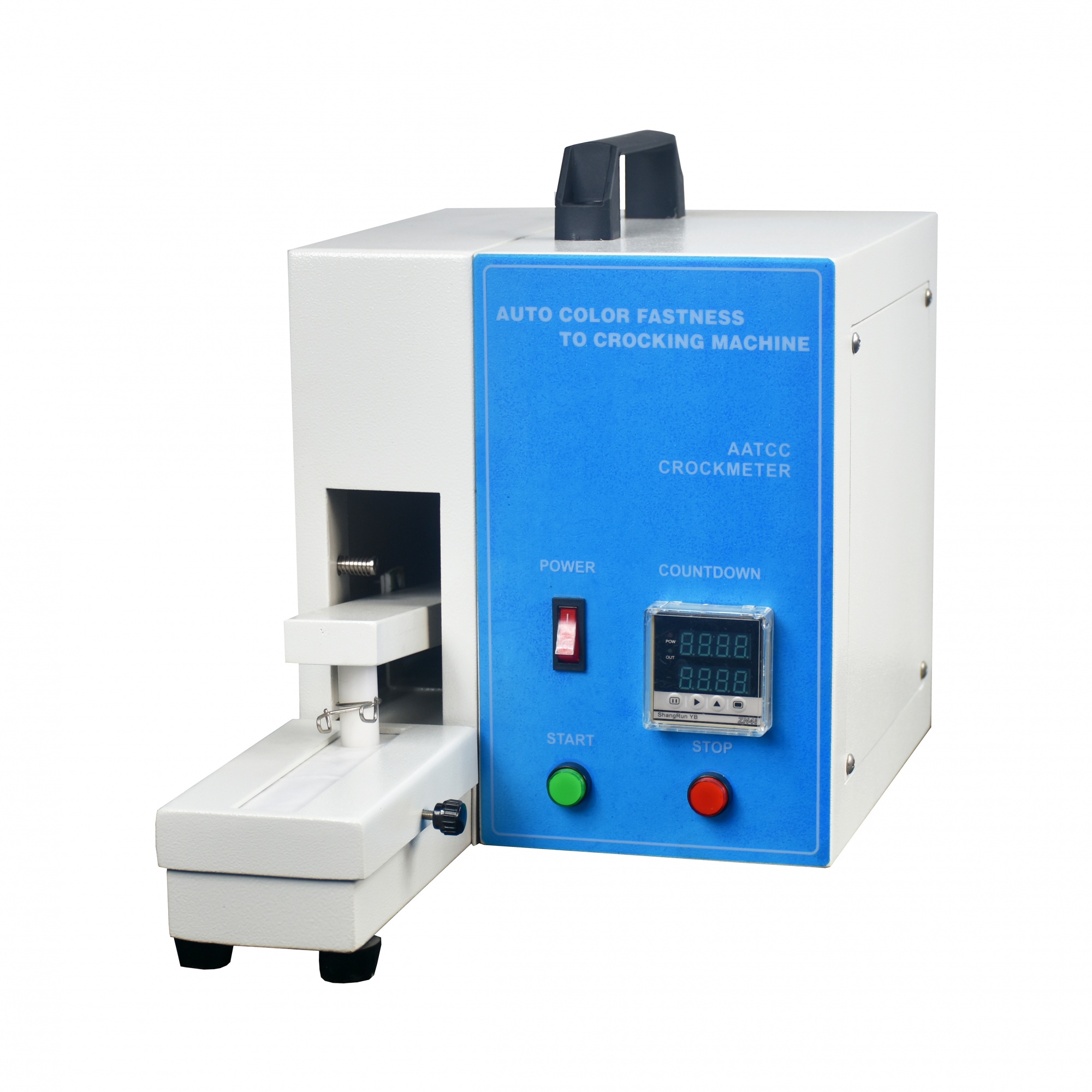
XD-C07 auto color fastness to crocking machine
1.1 What Is Color Fastness to Rubbing?
Color fastness to rubbing refers to the resistance of textile dyes to transfer from the surface of a fabric onto another material when rubbed. This property is essential for ensuring product quality, especially in garments, upholstery, and home textiles that undergo frequent contact and abrasion.
There are two primary test scenarios:
- Dry rubbing – tests dye transfer when the fabric is rubbed with a drywhite cloth.
- Wet rubbing – measures transfer when the rubbing cloth is moistened withwater.
1.2 Test Procedure for Color Fastness to Rubbing
1.2.1 Overview of the Rubbing Fastness Test Setup
The standard procedure involves mounting a fabric specimen onto a rubbing tester platform. A standard white test cloth—either dry or wetted—is rubbed against the sample under controlled conditions. After rubbing, the degree of staining on the test cloth is evaluated using a grayscale to assess color transfer.
1.2.2 Dry Rubbing Test Procedure
- Test Environment: 20°C ± 2°C temperature; 65% ± 4% relative humidity;conditioning for 4+ hours.
- Sample Size: Typically 50 mm × 140 mm.
- Rubbing Cloth: Standard white cotton cloth (50 mm × 50 mm).
- Rubbing Parameters:
- 10 complete back-and-forth cycles (1 cycle/sec).
- Friction stroke: 104 ± 3 mm.
- Vertical force applied: 9 ± 0.2 N.
- Post-Test: The rubbing cloth is allowed to stabilize under standardconditions before evaluation.
1.2.3 Wet Rubbing Test Procedure
- The test cloth issaturated with distilled water, ensuring 95–100% moisture content.
- The procedure mirrors thedry rubbing method but uses the wet cloth for rubbing.
1.3 Evaluation and Rating System
The staining on the white test cloth is assessed using a grayscale for staining, which consists of five grades:
- Grade 5: No staining (best fastness).
- Grade 1: Severe staining (poor fastness).
Evaluation should be performed in a controlled light box to ensure consistent results. Typically, three layers of the test cloth are used for accuracy.
1.4. Common Standards for Rubbing Fastness Testing
Several international and national standards govern the color fastness to rubbing test, each with slight variations in methodology:
| Standard | Region | Description |
GB/T 3920-2008 | China | Specifies procedures for both dry and wet tests. |
| AATCC 8-2007 | USA | Standard method for dry rubbing. |
| AATCC 116-2010 | USA | Used for wet rubbing. |
JIS L 0849-2004 | Japan | Defines both test types with unique sampling methods. |
Sampling Guidelines by Fabric Type
- Woven fabrics: Cut two sets (≥ 50 mm × 140 mm) aligned with warp and weft.
- Pile fabrics: Align the pile direction with the fabric length.
- Yarns: Either weave into fabric or wind onto a cardboard ofappropriate size.
Sampling angles may differ—e.g., U.S. standards often use a 45° angle to warp/weft, while European and Chinese standards usually sample parallel to warp and weft.
1.5. Factors Affecting Color Fastness to Rubbing
Understanding the variables that impact test outcomes is essential for accurate analysis and textile improvement.
1.5.1 Surface Texture and Fabric Morphology
- Rough or raisedsurfaces (e.g., denim, pigment prints) tend toshow poor dry rubbing fastness due to more surface dye and fiber friction.
- Sanded/fluffed fabrics increase frictional resistance and risk of fiber breakage,reducing fastness.
1.5.2 Fabric Structure and Composition
- Lightweight orsynthetic fabrics may slip during testing,leading to variable results.
- Synthetic fibers often exhibit better wet rubbing fastness due to low moistureabsorption and water’s lubricating effect.
In some cases, fabrics can show better performance in wet rubbing than dry, contrary to expectations. This highlights the complex interaction of dyes, fibers, and test conditions.
1.5.3 Reactive Dye Characteristics
- Floating dyes—unfixed excess dyes—are a major contributor to staining in wettests.
- Covalent bonding strength and structure of reactive dyes influence how securelythey bind to cellulose fibers.
- Fiber damage or fiber shedding during rubbing may cause colored particletransfer.
However, reactive dyes that are fully bonded typically do not release color under rubbing, indicating that observed staining is usually due to surface deposits rather than dye-fiber bond breakage.
1.5.4 Depth of Dyeing
Darker shades generally exhibit lower rubbing fastness due to dye saturation exceeding bonding capacity. This results in excess surface dye prone to transfer during rubbing, especially in wet conditions.
1.6 Improving Rubbing Fastness in Textiles
1.6.1 Fabric Pretreatment
Pretreatment helps minimize surface dye accumulation:
- Singeing and enzymatic treatments reduce fuzz.
- Mercerizing, scouring, and bleaching improve fiber structureand surface.
- Proper washing and dryingreduce dye residues and floating color.
1.6.2 Softeners and Finishing Agents
- Cationic softeners can bind to anionic dyes, forming insoluble complexes('lakes') that enhance fastness.
- Nonionic softeners may hinder performance due to hydrophilicity.
- Fixing agents reduce dye solubility and help prevent migration.
Controlling pH, pre-baking, and careful dye fixation are all critical during production.
1.6.3 Dyeing Process Control
- Key parameters includealkali dosage, steam time, and dye hydrolysis.
- Insufficient soaping orwashing can leave residues that impair fastness.
- Especially in long-car paddyeing, attention to process consistency is vital for achieving highperformance.
2. Textile Lightfastness Test
Lightfastness testing of textiles has gained increasing importance both domestically in China and internationally. As the textile market demands higher durability and quality, lightfastness — the ability of a fabric’s color to resist fading or discoloration when exposed to light — has become a critical quality metric integrated into product standards worldwide.
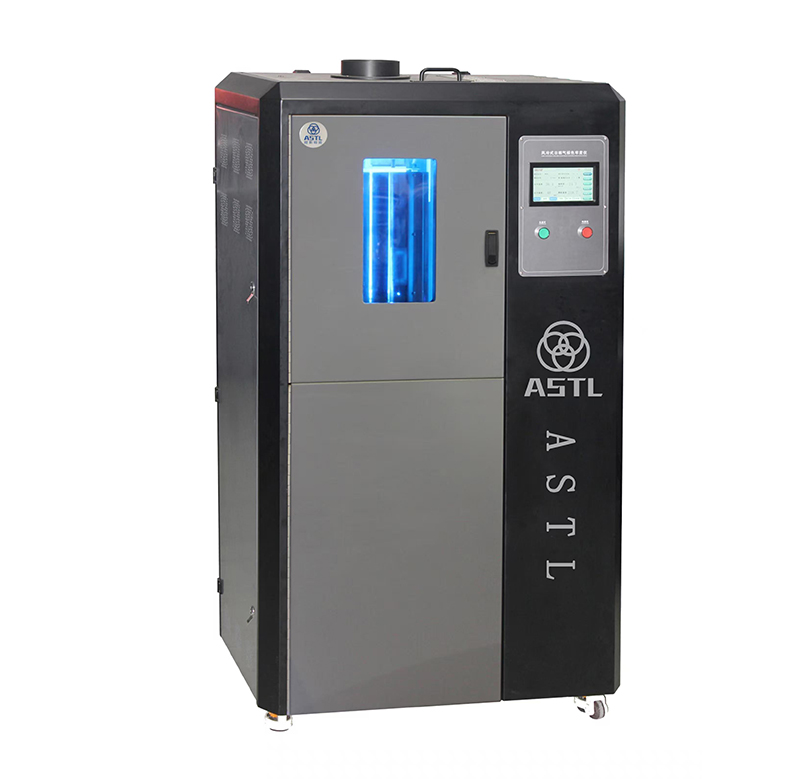
light fastness testing machine
2.1 Overview of Textile Lightfastness
Lightfastness refers to a textile's resistance to color fading or alteration caused by exposure to light sources, including sunlight and artificial lighting. It directly affects the longevity, aesthetic value, and customer satisfaction for textile products ranging from apparel to home furnishings. Due to its vital role, many countries have embedded lightfastness requirements into textile product regulations, with China notably updating its standards to include lightfastness as a key evaluation criterion across various fibers such as silk, chemical fibers, and cotton.
2.2 Common Test Methods and Standards for Textile Lightfastness
There are multiple methodologies to assess lightfastness, each tailored to simulate different exposure environments or specific fabric applications:
| Test Method | Description | Typical Use | Reference Standard |
| Natural Sunlight Exposure | Exposing fabric samples to direct sunlight under controlled conditions without rain exposure. | Outdoor textiles | GB/T 8427 (China), ISO 105-B02 |
Xenon Arc Artificial Light | Using xenon arc lamps to simulate full spectrum sunlight in a laboratory setting, controlling temperature and humidity. | Widely used in R&D and QC globally | AATCC TM16, ISO 105-B02 |
Weathering Test | Outdoor exposure simulating natural weather including sunlight, temperature, humidity, and precipitation. | Outdoor textile durability | ASTM G155, ISO 105-B04 |
Artificial Weathering (Xenon Arc + Spraying) | Xenon lamp combined with water spray cycles to simulate rain and other weather factors. | Outdoor textiles needing harsh weather durability assessment | ISO 105-B06 |
Composite Light and Perspiration Test | Exposing sweat-treated fabrics to light to evaluate combined effects of perspiration and light on colorfastness. | Activewear, sports textiles | GB/T 8427, AATCC |
Among these, xenon arc lightfastness testing remains the most widely adopted, providing accelerated and controlled simulation of sunlight to predict real-world fabric behavior efficiently.
2.3 China’s Current Textile Lightfastness Test Standards
China’s textile industry standards have evolved to incorporate lightfastness rigorously:
- Color Fastness to Light(GB/T 8427, ISO 105-B02): Evaluates fading byexposing samples to sunlight or simulated sunlight, comparing resultsagainst the blue wool standard reference.
- Color Fastness toArtificial Light: Xenon arc testing underspecified lab conditions, assessing fabric performance against the bluewool scale.
- Color Fastness toWeather: Outdoor exposure tests to evaluatefabric durability under natural environmental conditions.
- Color Fastness toArtificial Weather: Combining xenon arcexposure with water spray to mimic real outdoor climates.
- Composite Light andPerspiration Fastness: Simulates sweatexposure followed by light testing, particularly relevant for activewearfabrics.
These standards ensure comprehensive assessment of textile performance in diverse environmental conditions, reflecting real consumer usage.
2.4 American Standards and Lightfastness Testing Devices
In the U.S., textile lightfastness testing aligns with international norms but emphasizes specific applications:
- Indoor TextileLightfastness: Focus on lightfastness underartificial indoor lighting conditions.
- Outdoor Textile WeatherResistance: Xenon arc-based weathering testssimulate solar radiation combined with climatic factors.
Key test ranges include:
- Dye Lightfastness: Measures fading under visible light (380–750 nm) at controlledtemperature and humidity.
- Dye Weatherfastness: Evaluates fading under combined light, temperature, humidity,and rain exposure.
- TextileWeatherfastness: Assesses fabric resistance tovisible and UV light with environmental conditions, predicting outdoorperformance.
American standards (e.g., AATCC TM16) employ precise instruments like xenon arc lightfastness testers with controlled spectral outputs and humidity controls to ensure reproducible and accurate results.
2.5 Best Practices and Advanced Techniques for Lightfastness Testing
2.5.1 Importance of Environmental Control
Lightfastness testing is complex, as fabric fading depends not only on light exposure but also on temperature and humidity. Modern testing devices replicate and maintain these factors rigorously to ensure valid results.
- Temperature: Influences the rate of photochemical reactions causing dyedegradation.
- Humidity: Moisture levels affect dye interactions and fading mechanisms.
2.5.2 Accelerated Testing with Xenon Arc Lamps
Natural sunlight exposure can take months or years to reveal fading effects, impractical for fast product development cycles. Xenon arc lamps simulate the full solar spectrum, including UV rays, allowing accelerated testing while replicating real-world exposure.
- Use of filters to mimicspecific geographic sunlight characteristics.
- Integration of water spraysystems to replicate rain or humidity cycles.
2.5.3 Testing for Outdoor Textile Durability
For outdoor textiles, simulating weather conditions is critical:
- Water sprinklers simulaterainfall.
- Cycles of wetting anddrying replicate climatic variations.
- UV light intensity andduration adjusted to match local environmental exposure.
2.6. Enhancing Textile Lightfastness: Proven Strategies
Improving lightfastness involves a combination of dye chemistry, fabric treatment, and color management:
2.6.1 Rational Dye Selection
- Select dyes suited tofiber type: oxidation-resistant dyes for cellulose fibers;reduction-resistant for protein fibers.
- Introduce chemicalmodifications to enhance photooxidation resistance, e.g.,electron-withdrawing groups near azo bonds.
- Employ heavy metalcomplexes to shield light-sensitive molecular groups.
2.6.2 Color Depth and Dye Concentration
- Darker colors generallydemonstrate better lightfastness due to greater dye aggregation, reducingexposure of molecules to light and oxygen.
- Light-colored fabricsrequire dyes with inherently higher lightfastness or protective finishingtreatments.
2.6.3 Color Matching with Compatibility
- Avoid dye combinationswhere one dye accelerates fading of another.
- Use dyes that stabilizeeach other’s colorfastness, especially in complex or dark shades likeblack.
- Optimize dyeing processesto minimize unfixed or hydrolyzed dyes that reduce color stability.
2.7. Frequently Asked Questions (FAQs) About Textile Lightfastness Testing
Q1: What is the difference between blue wool standards 1-8 and L2-L9?
Blue wool standards 1-8 and L2-L9 represent reference fabrics with varying lightfastness levels. The 1-8 series suits European conditions, while L2-L9 targets U.S. exposure conditions. They are not interchangeable due to different dye formulations.
Q2: Why calibrate humidity control daily during testing?
Humidity affects fading by altering dye interactions. Calibration ensures “effective humidity” — combining air temperature and moisture on the fabric surface — remains consistent, crucial for reproducible results.
Q3: What is the role of the xenon reference fabric in AATCC TM 16?
It validates that the test chamber’s temperature is correctly maintained by measuring consistent color change after exposure.
Q4: How to test intermediate lightfastness levels (e.g., 3-4) when standards specify discrete levels?
Operators can perform tests using adjacent blue wool standards and evaluate results by interpolation, combining different methods for comprehensive assessment.
Q5: What is the meaning of AFU (AATCC Fading Unit) and its relation to testing hours?
AFU quantifies energy exposure; 20 AFU corresponds to the energy causing a blue wool standard to fade to a specific level. The equivalent test duration depends on lamp intensity and conditions.
3. Color Fastness to Washing
Color fastness to washing is a crucial indicator of textile quality, reflecting how well a fabric retains its color after laundering. Since washing is a universal cleaning method in both domestic and industrial settings, understanding and accurately testing washing fastness is essential for ensuring product durability, consumer satisfaction, and compliance with international textile standards.

3.1 What Is Color Fastness to Washing?
Color fastness to washing refers to a fabric’s resistance to color change or dye transfer when subjected to specific washing conditions involving detergents, water temperature, and mechanical agitation. The primary goal of the washing fastness test is to simulate real-world laundering scenarios to evaluate how the dyed fabric holds up during the wash-and-dry cycle.
Test procedures typically involve:
- Preparing a compositesample of the fabric with lining materials.
- Subjecting it to washingunder controlled temperature, time, and agitation.
- Drying and grading thefabric for color change and staining using gray scales or digitalassessment tools.
3.2 Common Standards for Washing Fastness Testing
Washing fastness is assessed according to several international and national standards, each with its own test conditions. The most widely used include:
| Region/Country | Standard |
| China | GB/T 3921-2008, GB/T 12490-2007 |
International | ISO 105 C10:2006, ISO 105 C06:2010 |
| Europe | EN ISO 105 C10:2007, EN ISO 105 C06:2010 |
| UK | BS EN ISO 105 C10:2007, BS EN ISO 105 C06:2010 |
USA | AATCC 61-2010 |
Australia | AS 2001.4.15-2006 |
Germany | DIN EN ISO 105 C10:2007, DIN EN ISO 105 C06:2010 |
Japan | JIS L 0844:2011 |
Although the testing principles are similar across these standards, they differ in specific washing parameters such as detergent type, temperature, washing time, and use of steel balls. These differences can influence the final grading results.
3.3 Step-by-Step Washing Fastness Test Procedure (Based on GB/T 3921-2008)
3.3.1. Sample Preparation
- Cut a 100mm × 40mm fabricspecimen.
- Attach a multi-fiber ortwo single-fiber lining fabrics of the same dimensions by sewing along theshort edge to form a combined test specimen.
3.3.2. Test Solution Preparation
- Test A & B: 5g of soap per liter of tertiary water.
- Test C, D & E: 5g soap + 2g sodium carbonate per liter of tertiary water.
3.3.3. Washing Test
- Place the composite samplein a container with steel balls (if applicable).
- Add pre-heated soapsolution (±2°C of target temperature) at a bath ratio of 50:1.
- Seal the container andstart timing immediately after closing.
3.3.4. Rinsing and Drying
- Rinse samples twice intertiary water and then under running water.
- Blot dry between filterpapers and air dry (below 60°C).
3.3.5. Evaluation
- Use gray scales orinstruments to assess:
- Color change of the specimen.
- Staining on the adjacent fabric.
3.3.6. Reporting
- Document both change incolor and degree of staining on the standard report form.
3.4. Factors Affecting Washing Fastness in Textiles
3.4.1. Fabric Structure and Composition
- Single-component fabrics(e.g., 100% cotton, polyester, nylon) typically have better washingfastness than blended fabrics.
- Blended fabrics, such aspolyester-spandex, often show reduced fastness, especially when dyed withdark shades or processed improperly.
3.4.2. Dye Type and Application Process
- Improper dye selection andfinishing procedures are major contributors to poor washing fastness.
- For polyester-spandexblends, disperse dyes can stain spandex severely due to their thermalmigration behavior.
- Thermal migration occurswhen dye molecules migrate to the surface during heat setting, leading tostaining and color loss.
Remedy: Post-dyeing treatments such as:
- Acid reduction (usingthiourea dioxide).
- Alkaline reduction (withsodium hydroxide + soda ash).
These can improve washing fastness to Grade 4 or higher, meeting quality standards for premium garments.
3.4.3. Fiber-Dye Compatibility
- Nylon, silk, and wool dyedwith acid dyes often show poor washing fastness due to dye solubility inwater.
- During laundering,surfactants enhance dye desorption by dissolving hydrophobic dyemolecules.
Solutions:
- Use acid dyes with highmolecular weight and fewer water-soluble groups.
- Apply fixation treatments(e.g., tannin method or synthetic fixatives).
3.5. The Role of Testing Standards in Result Variability
Despite similar core methodologies, differences in washing conditions among ISO, GB/T, and AATCC standards lead to divergent results:
| Standard | Key Differences |
ISO & GB/T | Use steel balls, soap + sodium carbonate, wash time: ~30 min |
AATCC | Often excludes steel balls, uses different detergents, varies wash durations |
Tests on identical fabric samples (e.g., dark coffee and wine red knit, blue denim) show:
- Color change: ISO/GB >AATCC by ~0.5 grade.
- Staining: AATCC >ISO/GB by ~0.5 grade.
This highlights the importance of referencing the correct standard when evaluating product performance.
3.6. Operational and Human Factors in Washing Fastness Testing
3.6.1. Sampling Variability
Accurate sampling is critical. For gradient-dyed or printed fabrics:
- Avoid transition zones.
- Select areas with uniformcolor distribution.
- Ensure samples arerepresentative of the overall batch.
3.6.2. Lining Fabric Selection
Lining fabrics can significantly influence staining results. Two common types:
- DW type: Contains wool and acetate.
- TV type: Excludes wool and acetate.
Note: For certain tests (especially at 60°C or 95°C), GB/T 7568.7-2008 recommends TV type to avoid exaggerated staining from sensitive fibers.
3.6.3. Grading Method
Grading can be:
- Visual (requires standardized lighting, neutral background, graycover plates).
- Instrumental (objective, but still subject to calibration and samplepositioning).
Visual grading is prone to inconsistencies due to:
- Rater experience.
- Eye fatigue.
- Environmental lighting.
Standardized conditions and trained personnel are vital for reliable assessment.
3.7 Best Practices to Improve Color Fastness to Washing
3.7.1 Post-dyeing Washing:
Thorough rinsing to remove residual dyes (floating color).
3.7.2 Dye-Fiber Matching:
Use dyes optimized for the fabric type and intended end-use.
3.7.3 Fixation Techniques:
Apply fixation agents post-dyeing to enhance dye anchoring.
3.7.4 Strict Process Control:
Maintain optimal temperature, time, and chemical dosages throughout dyeing and finishing.
3.7.5 Sampling Protocols:
Follow uniform sampling methods based on fabric type (plain, yarn-dyed, printed, etc.).
4. Thermal Sublimation Testing (Dry Heat) of Textiles
Thermal sublimation testing, also referred to as dry heat or hot pressing fastness testing, is essential for evaluating how well a textile material withstands high temperatures during processes such as ironing, heat pressing, or thermal finishing. These scenarios are common throughout textile manufacturing and end-user applications, making thermal stability a critical parameter in quality control.
This guide explores the primary testing standards, operational procedures, evaluation criteria, and practical ironing recommendations for both industrial and domestic settings.

Scorch Tester (Sublimation Fastness Tester) XD-C13
4.1. Overview of Hot Press and Thermal Sublimation Fastness Testing
Textile materials are often exposed to elevated temperatures during production (e.g., calendaring, heat-setting) or end use (e.g., ironing). Color fastness to thermal sublimation or hot pressing measures the resistance of dyed or printed fabrics to heat-induced color change or transfer, especially when pressed under pressure.
Several standard test methods exist, which differ slightly in details but generally share a common operational principle: apply heat and pressure to the specimen under controlled conditions and then assess color change and staining.
4.2. Comparison of Major Hot Press Fastness Test Methods
Although regional and institutional standards may vary slightly, the core methodologies are comparable across the following:
Test Standard | Sample Size | Temperature Levels | Pressure |
| AATCC 133-2009 | 40 × 120 mm | 110°C, 150°C, 200°C | 4 ± 1 kPa |
ISO & GB/T equivalents | Typically 40 × 100 mm | Similar ranges | Similar pressure range |
These tests are designed to simulate different heat conditions — from household ironing to industrial thermal processing — allowing evaluation of fabric performance in both dry and damp environments.
4.3. AATCC 133-2009: Standard Method for Evaluating Color Fastness to Hot Pressing
Among the standardized approaches, AATCC 133-2009 is widely used to evaluate a textile's resistance to color change and staining under thermal pressure. This method can be performed in three conditions — dry, damp, and wet — depending on the expected real-world usage of the fabric.
✦ Test Apparatus
- Heating Unit: Consists of two smooth, parallel plates (upper and lower),with the upper plate electrically heated and preciselytemperature-controlled.
- Pressure Control: A constant pressure of 4 ± 1 kPa is applied.
- Insulating Layer: The sample is placed over an asbestos plate and a wool/cottoncomposite pad (~3 mm thick) to simulate thermal insulation. The cottonshould be bleached, undyed, and unmercerized.
✦ Sample Preparation
- Cut samples to 40 mm × 120mm.
- Depending on the test mode(dry, damp, or wet), prepare the specimen accordingly and sandwich it withlining fabric when needed.
✦ Test Modes
- Dry Pressing:
The dry specimen is pressed at a selected temperature for 15 secondsunder standard pressure. - Damp Pressing:
Place a piece of wet cotton fabric over the dry specimen, thenpress under the same conditions for 15 seconds. - Wet Pressing:
Wet the test sample itself, cover it with wet cotton lining, and applyheat and pressure for 15 seconds.
✦ Temperature Options
Testing is generally carried out at three preset temperature levels:
- 110 ± 2°C
- 150 ± 2°C
- 200 ± 2°C
Depending on the fabric type and intended application, alternative temperatures may be used. These deviations should be clearly noted in the test report. For blended fabrics, it’s recommended to select a temperature based on the most heat-resistant fiber component.
4.4 Evaluation and Rating
- Initial Assessment: Immediately after the test, evaluate color change in thespecimen and staining on the lining fabric using a gray scale.
- Delayed Assessment: Repeat the evaluation after 4 hours of conditioningthe sample in a standard atmospheric environment (usually 21°C and 65%RH).
- Grading: Color change and staining are rated separately, generally ona scale from Grade 5 (no change) to Grade 1 (severe change).
4.5. Practical Tips for Managing Heat Sensitivity in Textiles
Understanding how fabrics behave under heat is not only vital for manufacturers but also for consumers during everyday ironing. Here's how to maintain textile appearance and prevent damage:
4.5.1. Know Your Fabric Type
Different fibers respond differently to heat:
- Natural fibers like silk and wool are highly sensitive and prone toscorching under high temperatures.
- Cotton and linen can typically withstand higher heat, making them suitable fortraditional ironing.
4.5.2. Use a Pressing Cloth
To prevent shine, scorching, or color distortion on delicate fabrics:
- Place a pressing clothor a piece of similar-texture fabric over the garment before ironing.
- This barrier diffuses heatand protects surface finishes and colors.
4.5.3. Pre-Dampen Uniformly
Before ironing, lightly mist garments with water using a spray bottle.
- For optimal moisturedistribution, place the sprayed garment in a plastic bag for a fewminutes before ironing.
- This allows even moisturepenetration, making the fabric easier to press and reducing the risk ofthermal damage.
4.5.4. Post-Ironing Drying
After ironing, hang garments in a well-ventilated space.
- This helps evaporateresidual moisture and reduces the chance of mold growth or creasesreforming.
5. Color Fastness to Perspiration
Color fastness to perspiration is a critical parameter in textile quality evaluation, especially for garments in direct contact with the skin. Human sweat contains a complex mixture of water, salts, fatty acids, urea, and other organic compounds. Depending on an individual's physiology, sweat can range from acidic to alkaline. While short-term contact may have minimal impact on dyed fabrics, prolonged exposure—particularly in hot, humid conditions—can significantly deteriorate the dye-fiber bond, causing color fading or staining. If the dyes used are not fast to perspiration, they can migrate to the skin, potentially leading to health risks through dermal absorption of dye molecules or heavy metals.

Perspiration Tester / Perspirometer XD-C11
Why Is Color Fastness to Perspiration Important?
- Consumer Safety: Poor perspiration fastness may result in dye leaching andtransfer to skin, posing risks of irritation or toxicological effects.
- Durability andAesthetics: Clothing exposed to sweat mayexhibit discoloration or staining, compromising product longevity andvisual appeal.
- Regulatory Compliance: Many international standards (e.g., GB/T 3922-2013, ISO105-E04) require acceptable levels of color fastness to both acidic andalkaline perspiration.
Standard Test Methods for Evaluating Color Fastness to Perspiration
Color fastness to perspiration is typically assessed using artificial sweat solutions designed to simulate both acidic and alkaline sweat conditions.
General Testing Procedure:
- Sample Preparation:
- Soaking in ArtificialSweat:
- Immerse samples in freshly prepared artificial sweat (acidic and/or alkaline).
- Maintain soaking for 30 minutes under controlled temperature.
- Pressure Application:
- Remove excess liquid and sandwich the test samples between two plates.
- Apply a specified load using a perspiration tester (or press under controlled pressure).
- Drying:
- Place the sample assembly in a constant-temperature oven (usually at 37±2°C) for 4–6 hours.
- Evaluation:
- Assess color change (fading) and staining on adjacent fabrics using grayscale rating cards in accordance with GB/T 251 or ISO 105-A03/A04.
Cut fabric specimens (e.g., 40mm × 100mm) and stitch with adjacent multi-fiber fabric as specified by test standards.
Color Fastness to Perspiration
5.1. Challenges with Acid Dyes in Nylon
Nylon is often dyed using weak acid dyes, which bind primarily through van der Waals forces and hydrogen bonds—interactions that are vulnerable to sweat exposure. While some acid dye fixing agents improve color fastness to washing and rubbing, effective solutions for perspiration fastness—especially under alkaline conditions—remain limited.
5.2. Fixing Agents and Chemical Finishing Techniques
5.2.1 Cationic Polyamide Fixing Agent (SF-30A)
- Mechanism: SF-30A is a formaldehyde-free quaternary ammonium polyamidecompound that enhances sweat fastness by forming cationic bonds withanionic acid dyes.
- Effectiveness: SF-30A significantly improves staining fastness to alkalineperspiration. However, it may reduce wet rubbing fastness due todye migration during moisture exposure.
5.2.2 Optimization Strategy:
- Soaping & Fixation: Thorough soaping post-dyeing, coupled with optimized fixationparameters, can enhance sweat fastness.
- Selection of Acid Dyes: Use of dyes with higher intrinsic fastness properties.
- Development of HybridFinishes: Combining SF-30A with frictionenhancers, binders, or monomers improves overall durability.
5.3. Experimental Approaches to Improve Performance
5.3.1 Impregnation Process
- Flow: Soak → Dehydrate → Dry → Bake.
- Finishing BathComposition:
- SF-30A: 1–4% (owf)
- HS-222 (wet friction enhancer): variable
- SD-20B (acrylate binder): optional
- pH: 4.5–5.5, Temperature: 160°C, Time: 3 min
5.3.2 Padding Process with Acrylate Monomer
- Flow: Padding → Drying → High-temperature steaming → Drying
- Finishing Composition:
- SF-30A + 3–6% acrylate monomer emulsions (polymerized in-situ)
- Emulsifier (FMEE) and initiator (ammonium persulfate)
- Target polymerization time: 30 minutes
- Baking conditions: 160°C, 5 minutes
5.4 Comparative Analysis of Treatment Outcomes
5.4.1 Effect of SF-30A Alone
- Improves alkaline sweatstaining fastness by 1.5–2 grades.
- No effect on dry rubbingor wool staining.
- Wet rubbing fastnessdecreases (by up to 2 levels) due to dye migration.
5.4.2 SF-30A + HS-222 (Wet Friction Enhancer)
- Further improvesperspiration fastness.
- Wet rubbing fastnessremains low; HS-222 doesn’t prevent dye migration effectively under wetconditions.
5.4.3. SF-30A + SD-20B (Binder)
- Offers synergistic effectthrough electrostatic interaction.
- Maintains dry rubbingfastness while slightly improving wet rubbing fastness.
- Optimal at 6% SD-20B forminimal rubbing degradation.
5.4.4. SF-30A + Acrylic Monomer Emulsions
- Best improvement observedwith monomers like BPA2EODMA and Di-TMPTA:
- Alkaline perspiration staining fastness reaches Grade 4–5.
- Dry rubbing remains Grade 4–5.
- Wet rubbing drops slightly (Grade 4).
- Acrylic polymer acts as across-linking and hydrophobic film that reduces dye leaching.
5.5 Mechanisms Behind Fastness Enhancement
- Film Formation:
- SF-30A and acrylic polymers create a barrier on the fiber surface, limiting dye migration.
- ElectrostaticInteraction:
- Cationic SF-30A binds to anionic dyes, reducing solubility and dye release in alkaline sweat.
- Crosslinking viaAcrylates:
- Grafted polymer chains anchor dyes better, increasing fastness even under wet conditions.
Summary of Findings
Treatment | AlkalinePerspiration Fastness | WetRubbing Fastness | Notes |
| SF-30A alone | ↑↑ (up to Grade 4) | ↓↓ | Strong improvement in sweat fastness; rubbing suffers |
| SF-30A + HS-222 | ↑↑ | ↓ | Marginal additional improvement; rubbing not improved |
SF-30A + SD-20B | ↑ | ↔ or slight ↑ | Good balance; minor staining risk due to aggregation |
SF-30A + Acrylics | ↑↑↑ | ↔ or slight ↓ | Best performance when using BPA2EODMA or Di-TMPTA |
三. How to Improve the Color Fastness of Textiles (General Rules)
Color fastness—the resistance of dyed textiles to fading or bleeding under various conditions—is a crucial quality indicator in the textile industry. It directly affects the aesthetic appeal, durability, and commercial value of fabrics. The color fastness of a textile is influenced by a complex interaction of factors such as fiber type, fabric construction, dye category, dyeing method, and mechanical or environmental stress.
To enhance color fastness in textiles, a comprehensive strategy is required. While specific fastness types (e.g., washing, rubbing, light) may require tailored approaches, the following general principles provide a foundational roadmap for improving overall dye fastness across textile applications.
1. Optimize Dyestuff Selection
Selecting the right dyestuff is the cornerstone of achieving high color fastness. Even with ideal auxiliaries and dyeing conditions, poor dye selection will limit performance. Here are key considerations:
(1) Match Dyes to Fiber Type
Different fibers form different types of bonds with dyes—ionic, covalent, van der Waals—which influence fixation and retention.
- Protein fibers (e.g., wool, silk): Prefer acid dyes. Among these, weakacid dyes tend to offer better fastness than strong acid dyes.
- Cellulosic fibers (e.g., cotton, viscose): Use reactive dyes (bestfastness due to covalent bonding) or direct dyes (easierapplication but lower fastness).
- Synthetic fibers (e.g., polyester): Typically require disperse dyes dueto their hydrophobic nature.
(2) Consider Color Depth and Shade
Once the dye class is chosen, match dyes to the target shade and depth:
- Use dyes with hues closeto the intended color to reduce overcompensation and layering.
- Prioritize dyes with highinherent fastness ratings.
- Ensure the dye can achievethe required saturation without relying on overload, which weakens bondingand leads to fading.
(3) Refer to Color Fastness Ratings
Every commercial dye comes with a standardized fastness rating (typically 1 to 5, or 1 to 8 for lightfastness). Choose dyes that meet or exceed the fastness level required for the end-use application. Avoid combining dyes with mismatched fastness levels, as this compromises the overall performance of the shade.
(4) Evaluate Dye Uptake Behavior
Dyes differ in their affinity and uptake rate on a given fiber. Uneven dye uptake causes some dyes to deposit superficially, leading to premature fading and altered hues during washing or wear. To avoid this:
- Select dyes withcompatible uptake rates under the same dyeing conditions.
- Prevent dye competition bycarefully matching dye kinetics.
(5) Ensure Dye Compatibility
Good compatibility among dyes used in a blend ensures even color development and stronger fixation. Aim to:
- Use as few dyes aspossible—ideally one main dye supplemented by one or two others for shadetuning.
- Leverage primary colorswith high inter-dye compatibility when creating complex hues.
- Avoid mixing four or moredyes unless absolutely necessary, as this often leads to poor leveling andweak fastness.
2. Use Additives Strategically
Chemical auxiliaries enhance dye uptake and fixation but must be used with precision to prevent unintended negative effects on fastness.
(1) Choose Compatible Additives
Select auxiliaries designed to work with the chosen dye class. For commonly used dyes, optimal dosage and application methods must be fine-tuned, especially for darker shades where exhaustion is lower.
(2) Limit Retarders
While retarders help control dye leveling, excessive use can reduce dye uptake and weaken fiber-dye bonding. For easily absorbed dyes, regulate temperature and dye ratios instead of overusing retarders.
(3) Optimize Fixing Agent Usage
Fixing agents significantly improve wash fastness—usually by 0.5 to 1 grade—but they can compromise other properties like lightfastness. Best practices include:
- Match fixing agents to dyechemistry.
- Control dosage,temperature, and time carefully.
- Be mindful of cationicfixatives on reactive dyes, which can impair UV resistance.
(4) Prioritize Thorough Soaping and Rinsing
Effective soaping removes unfixed surface dyes that otherwise cause fading or staining. Control washing temperature and duration to maximize dye retention without fiber damage.
(5) Apply Softeners with Care
Softening enhances hand feel but may reduce color fastness by interacting with the dye layer. In particular:
- Silicone softeners canstrip acid dyes if overused.
- Use the minimum effectivedose and test compatibility before full-scale application.
3. Refine Dyeing and Finishing Processes
Improving fiber structure and dye fixation through process optimization can significantly boost color fastness.
(1) Modify Fiber Crystallinity
Textile fibers contain both crystalline and amorphous regions. Dyes primarily bond in amorphous zones, which are less stable. Techniques like:
- Scouring andmercerizing (for cotton)
- Heat setting andpre-shrinking (for polyester)
... help harmonize fiber crystallinity and allow deeper, more even dye penetration—resulting in better fixation and higher fastness.
(2) Minimize Surface Dye Migration
Post-dyeing processes such as:
- Thorough washing
- Controlled heat setting
- Proper curing
... reduce floating color and sublimation risk, especially important for disperse dyes on synthetics.
For polyester and other heat-sensitive materials, lower setting temperatures combined with slower conveyor speeds can preserve both dimensional stability and fastness.
(3) Choose Finishing Agents Wisely
Certain finishing agents, particularly cationic softeners, may cause dye migration and reduce sublimation fastness. When working with disperse dyes, opt for high-temperature stable variants. Additionally, selecting high-temperature disperse dyes can enhance thermal fastness.
Conclusion: A Holistic Approach to Better Color Fastness
Improving the color fastness of textiles requires a coordinated effort across dye selection, chemical usage, and processing conditions. Internally, ensuring fiber-dye compatibility, strong bonding, and even fixation are essential. Externally, product care—such as gentle washing, limited UV exposure, and proper detergent selection—must be considered for long-lasting performance.
By applying these general principles, manufacturers can develop textiles with superior color retention that meet rigorous end-use requirements and satisfy consumer expectations for quality and durability.
四. Frequently Asked Questions About Color Fastness Testing
Color fastness testing often raises practical questions in application, especially when encountering unique fabric compositions or ambiguous standards. The following Q&A addresses common scenarios encountered during testing, offering guidance based on prevailing national standards and testing best practices.
Q1. If the product standard for knitted fabrics does not specify rubbing test sampling directions, should horizontal rubbing be assessed?
- If the standardexplicitly mentions only one direction (e.g., vertical or straight), follow that directive without deviation.
- If the samplingdirection is not specified, both vertical andhorizontal rubbing tests should be performed.
- Recommendation: Test each color if feasible, and if horizontal rubbing is notpossible for certain sections, document this clearly in the test report.
Q2. When evaluating the color fastness to rubbing of woven fabrics, and the knitted fabric standard only refers to vertical direction testing, how should woven fabric be assessed?
Woven fabrics should always be evaluated in both warp and weft directions, regardless of references in standards for knitted materials. This ensures a comprehensive assessment of performance under friction.
Q3. In GB/T 14576-1993 (Color Fastness to Light and Perspiration Combination), how should discoloration be graded if it appears uneven across the sample?
In cases of uneven fading, grading should be based on the most severe discoloration observed. This conservative approach ensures worst-case performance is accurately reflected.
Q4. Under SN/T 0309-1994, if a textile emits a spotty, strong fluorescent glow under UV light (caused by non-removable substances), does it contain fluorescent agents?
Yes. Such a reaction under ultraviolet light is defined as containing fluorescent substances, even if these are impurities that cannot be removed by washing.
Q5. When selecting lining fabrics for color fastness testing of multi-component textiles, can similar fibers be grouped?
Yes. Fibers within the same generic category can be classified together for lining selection. For example:
- Cotton, polyester, wool,and rabbit hair composition: group wool and rabbit hair under “wool” classification.
- Use appropriatesingle-fiber lining fabrics corresponding to main fiber categories like:
- Hemp: ramie, flax, jute, kenaf
- Man-made cellulosic: viscose, modal, lyocell, Cupra
- Wool: wool, rabbit hair, mohair
- Silk: mulberry silk, tussah silk, etc.
Follow applicable standards such as GB/T 7568 series when selecting lining fabrics.
Q6. When testing garments for washing color fastness, can the surface and lining be evaluated solely based on overall composition?
No. Each fabric layer—outer and lining—must be tested individually based on their respective fiber compositions. This ensures that the proper washing temperature and test method are applied for each material.
Q7. After testing striped, printed, or yarn-dyed fabrics for washing, perspiration, or water fastness, different parts of the fabric show varying discoloration. How should this be graded?
For patterned or multicolored fabrics:
- Cut samples from thedarkest areas whenever possible.
- Combine multiplesegments of dark and light areas to create arepresentative composite sample.
- Grade based on the mostsevere color change observed, ensuring a fairyet conservative evaluation.
Q8. In GB 12982-2004 (National Flag Standard), if radiant energy data is unavailable from the customer, how is the end of light exposure determined?
Refer to Method 3 (7.2.3) of GB/T 8427-1998, which outlines procedures for determining exposure end-points in artificial lightfastness testing (Xenon arc).
Q9. GB/T 8427-1998 does not include clause 6.2.3. How does this relate to GB 12982-2004’s reference to lightfastness testing?
The reference in GB 12982-2004 to clause 6.2.3 should be interpreted as corresponding to clause 7.2.3 of GB/T 8427-1998. Testing must follow that section to ensure procedural accuracy.
Q10. How should color fastness be rated if spots or stains appear on wool fabrics during testing?
Any spots or localized discoloration must be graded based on the darkest or most intense stain present on the sample, following the principle of assessing worst-case fading.
Q11. In perspiration or water fastness tests, watermarks sometimes appear but disappear after rubbing. How should such cases be evaluated?
If water stains disappear after gentle hand rubbing, grading should proceed after watermark removal. Ensure samples are fully dry and free from temporary artifacts before evaluation.
Q12. What lining fabric should be used when testing silk and acetate fiber blends for color fastness?
Use single-fiber lining fabrics specified in relevant standards, such as:
- GB/T 7568.8-2014 for diacetate fiber
- GB/T 7568.6-2002 for standard lining fabric specifications
These ensure consistency and compatibility with the fibers being tested.

点击右上角
分享给朋友吧







 Long by picture save/share
0
Prev : ISO 105 E04 vs AATCC 15 vs JIS L0848 | Perspiration Fastness Test Standards
Next : Comprehensive Guide to Color Fastness Rating in Textiles
Thank you for liking it
YouArticle
已有0人推荐
CONTACT US
 No. 94, Chenwu Section, Guantai Road, Houjie
Town, Dongguan City
 E-mail: sarah@astrand-martindale.com
jack@astrand-martindale.com
 Tel: (+86) 186 8867 2626 Jack
 Tel: (+86) 130 668 20203 Sarah
HOT TAGS
LATEST NEWS
SUBSCRIBE
Please read on, stay posted, subscribe, and we welcome you to tell us what you think.
Copyright © 2022 Dongguan Astrand Electronic Technology Co., Ltd. All Rights Reserved | Log in
Copyright © 2022 Dongguan Astrand Electronic Technology Co., Ltd. All Rights Reserved